A quick visual overview of the key ingredients and cooking flow.


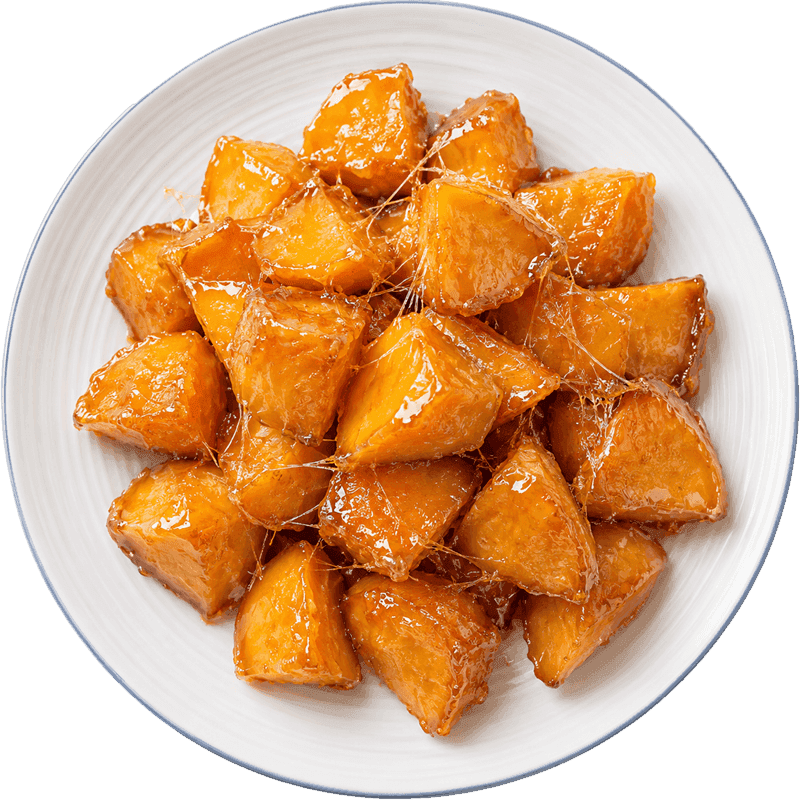
拔丝地瓜
A quick visual overview of the key ingredients and cooking flow.

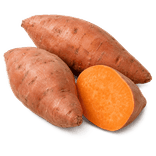
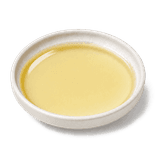
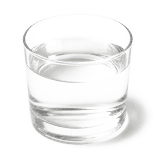
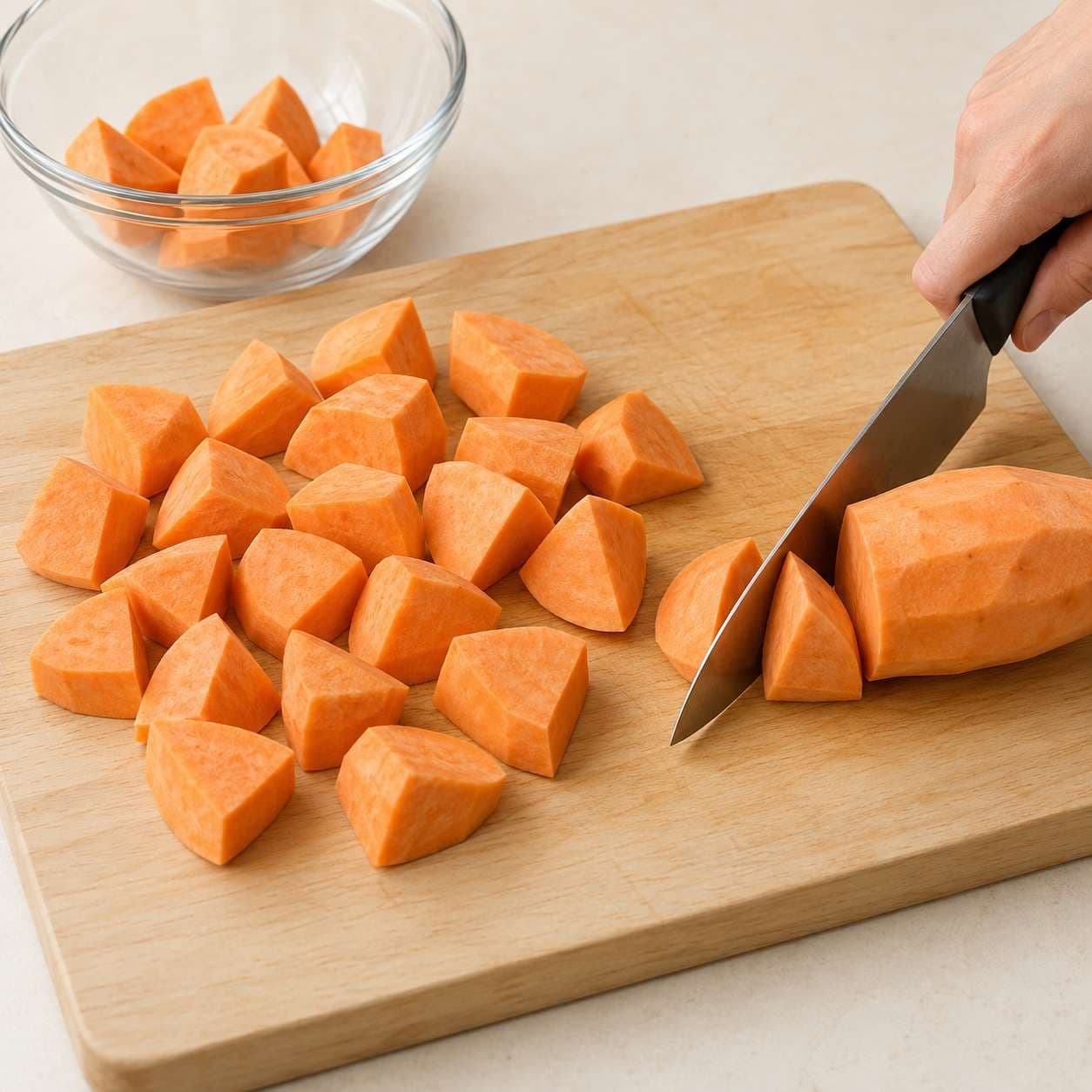
Peel and weigh 500 g sweet potato, then cut into even roll-cut chunks about 3 cm across. Rinse off surface starch, drain and dry thoroughly with kitchen paper. Use 5 ml of the oil to grease the serving plate lightly. Set 200 ml of the water, cooled and safe to drink, in a small dipping bowl.

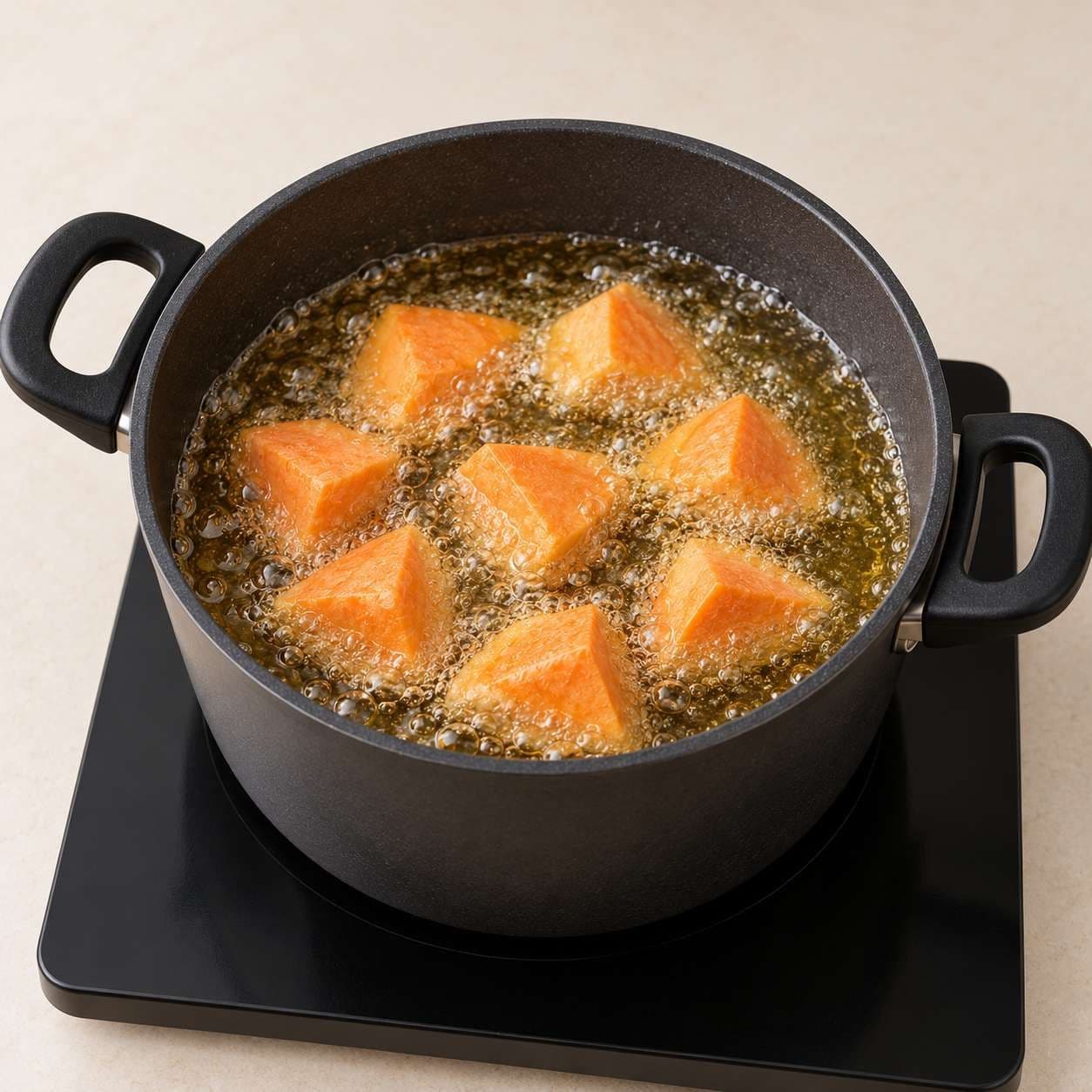
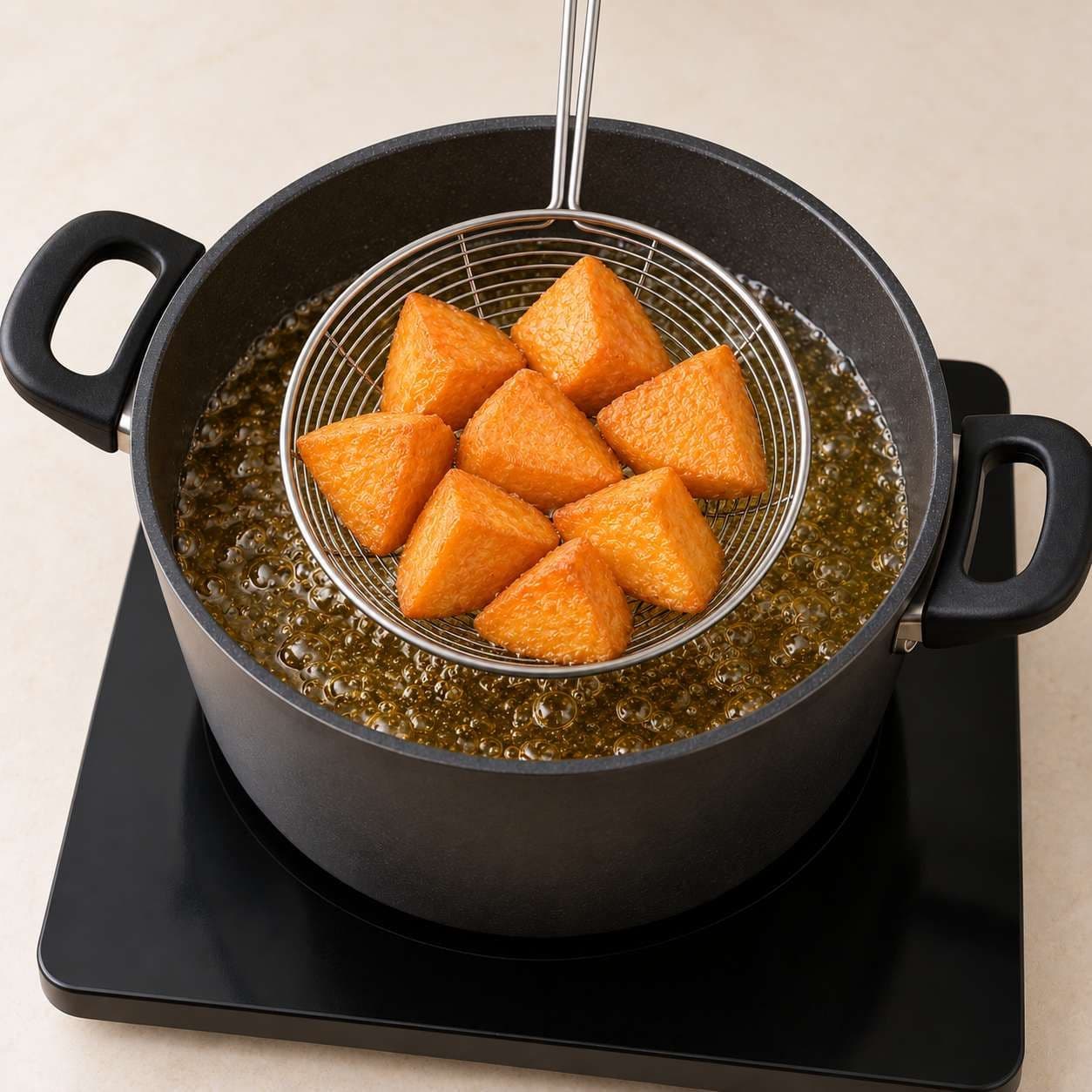
Heat the remaining 495 ml vegetable oil to 160°C in a deep, narrow-based pot, with enough depth to cover a small batch and the pot no more than half full. Fry the dry chunks in batches over medium heat for about 5–8 minutes per batch, until pale golden and a skewer enters the centre easily. Drain each batch on a rack; continue frying any pieces that are still firm inside.

Raise the oil to 180°C. Fry the chunks again in batches for about 30–40 seconds, until golden with a firmer exterior, then drain and keep warm. Turn off the frying heat and leave the pot safely in place to cool; do not move it or pour out hot oil.

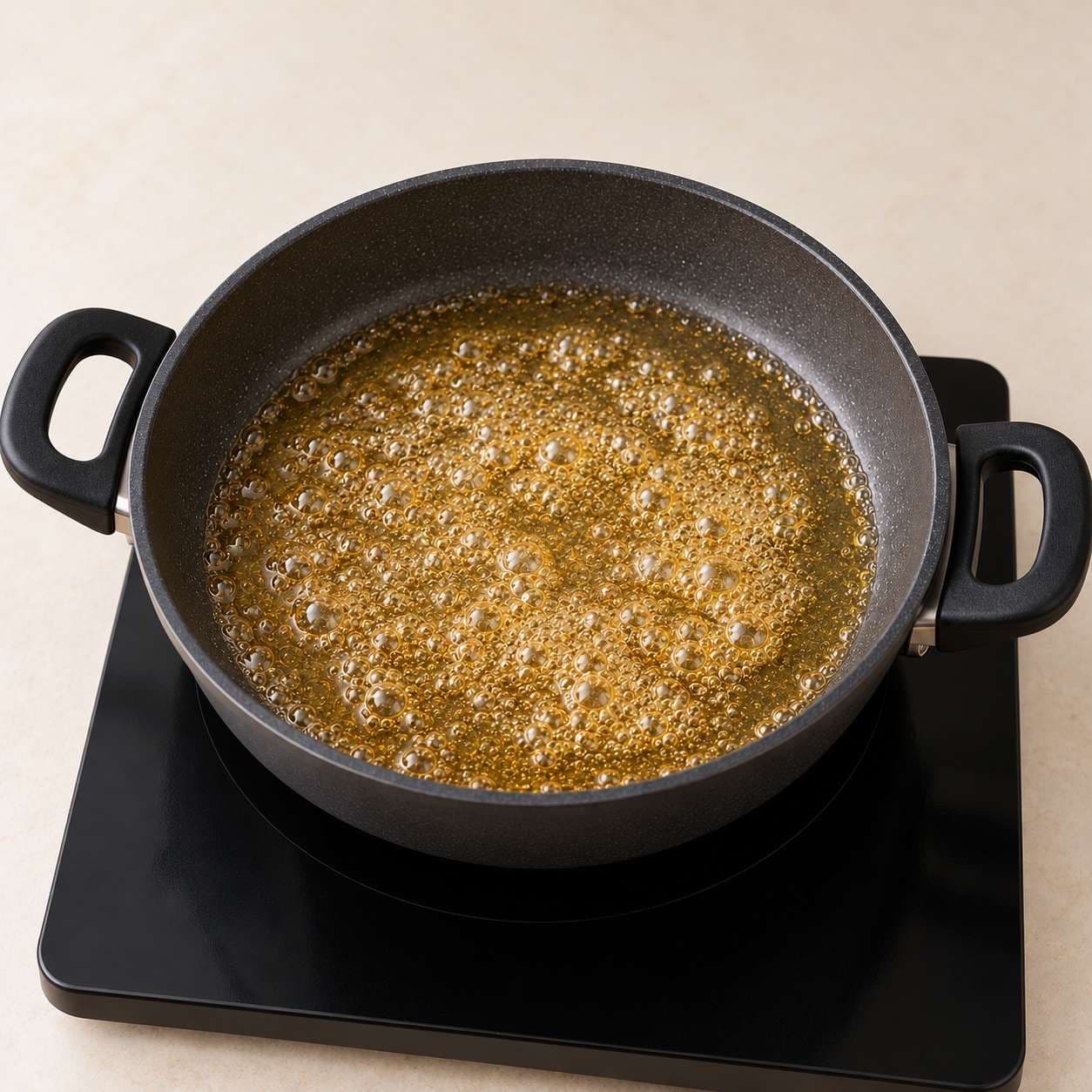
In a separate clean shallow pan with two loop handles, combine 120 g sugar and the remaining 40 ml water. Heat over medium-low heat, stirring gently only until dissolved. Once boiling, stop stirring and swirl occasionally. After about 4–7 minutes, remove from the heat as soon as the syrup turns pale amber with fine bubbles; judge by colour, not the clock. If it crystallises, cool the pan before dissolving it again; remake any bitter, burnt syrup.
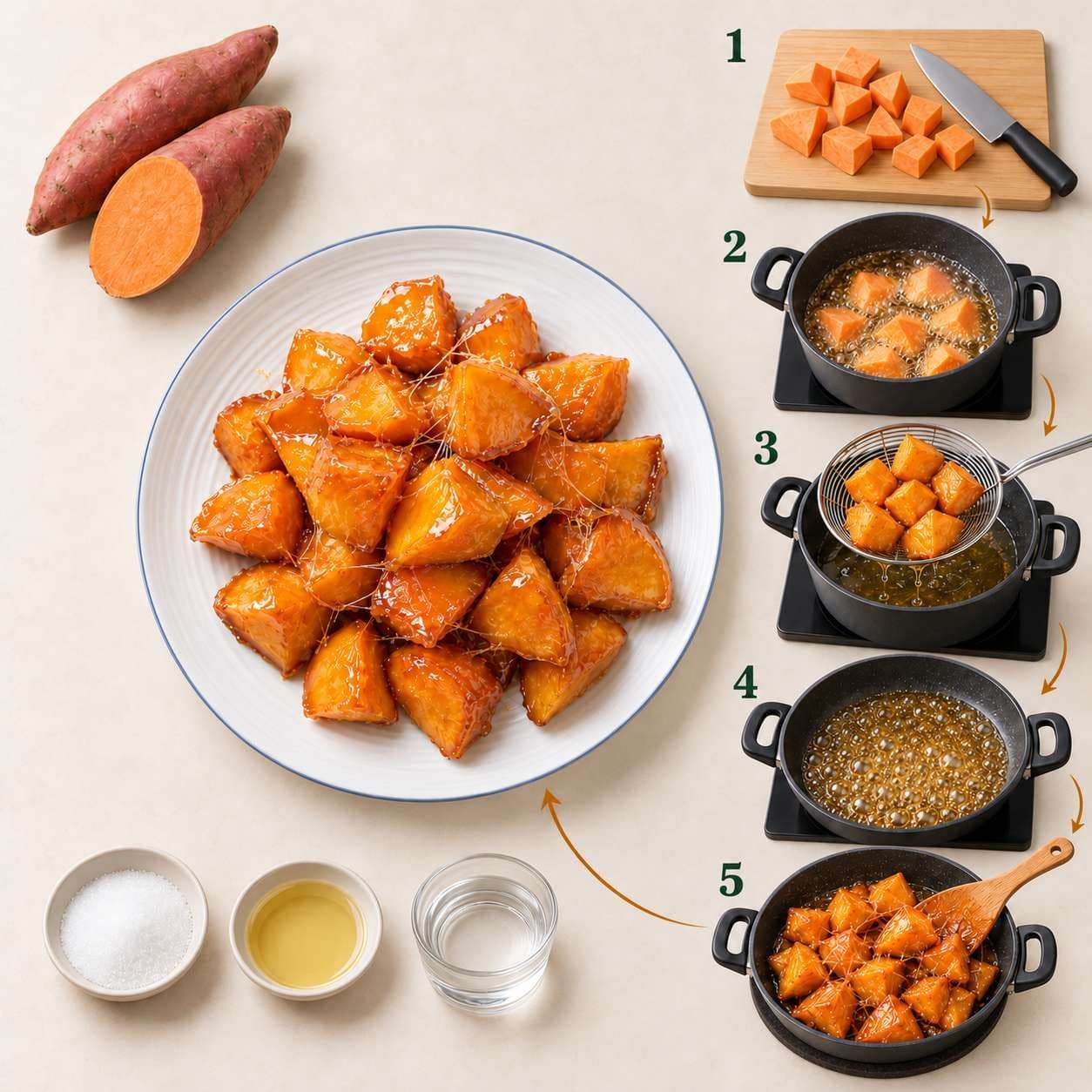
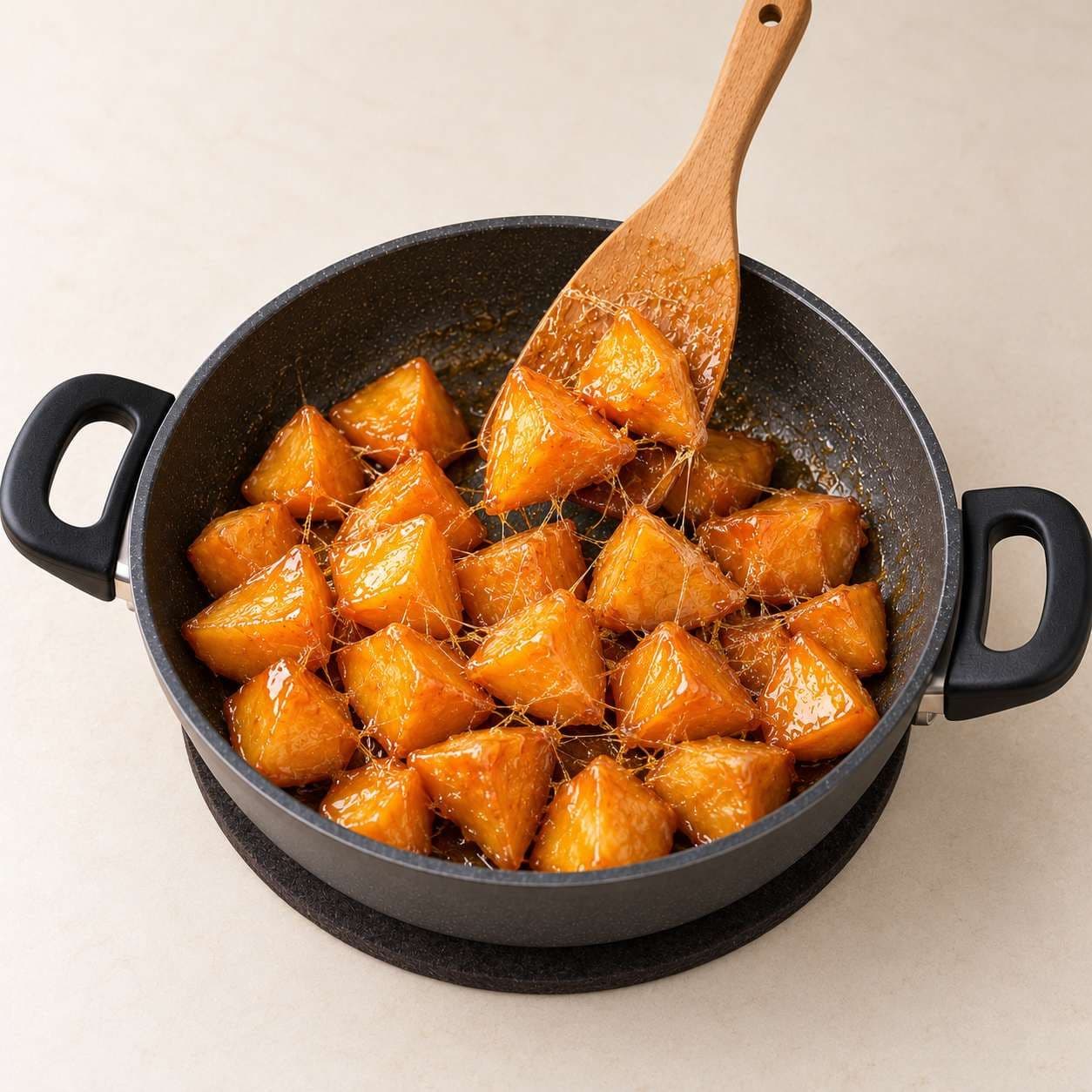
Immediately add all the warm, drained sweet potatoes to the caramel off the heat. Turn gently but quickly with a wooden spatula for about 10–15 seconds, until each piece has a thin glossy coating. Plate as fine threads begin to form, before the pieces set into a hard clump.

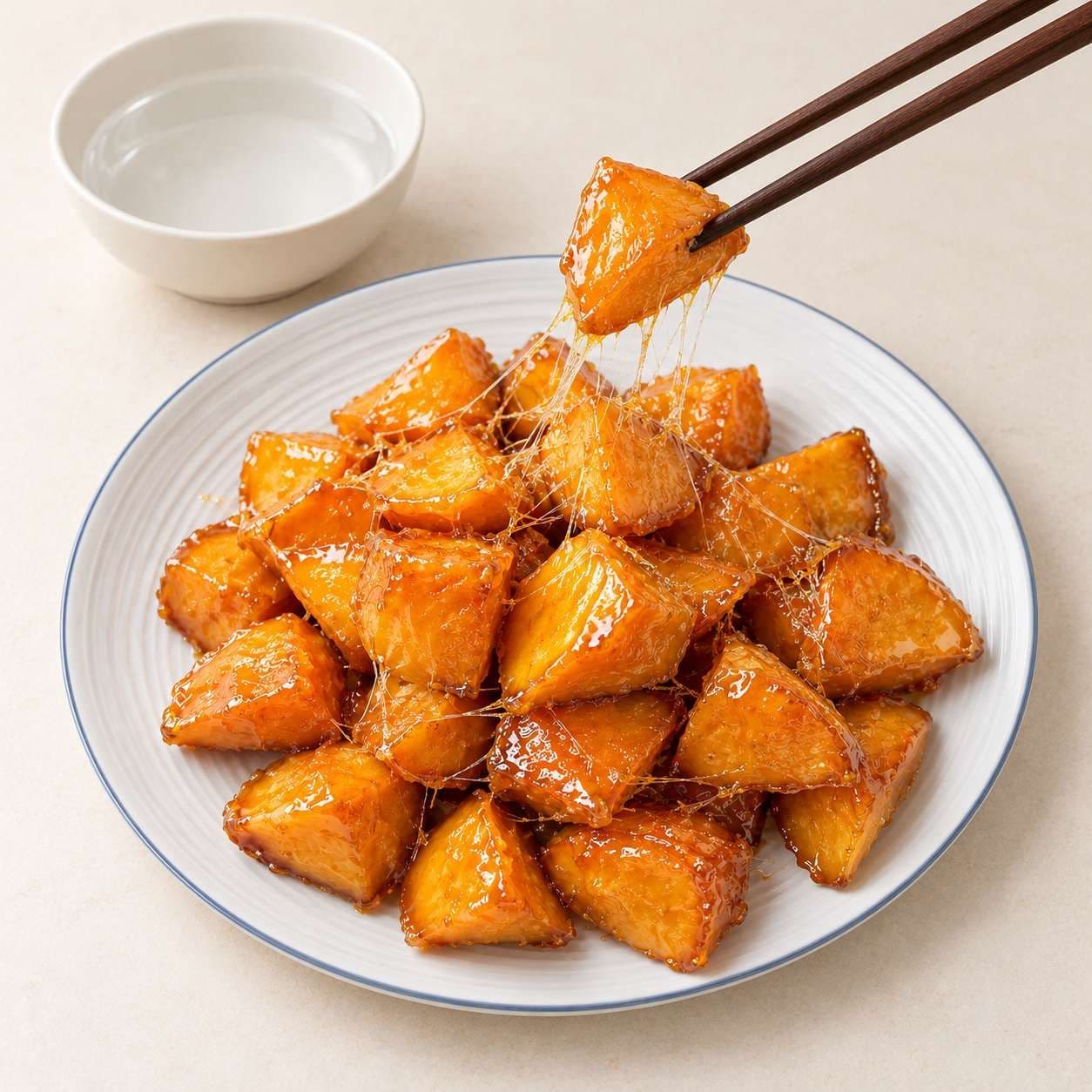
Transfer immediately to the greased plate and separate the pieces slightly. Lift while the coating is warm to draw sugar threads. Serve with the reserved 200 ml cool drinking water: briefly dip each piece to set the coating and break the threads, then let it cool enough to eat. Dipping does not instantly cool the centre.