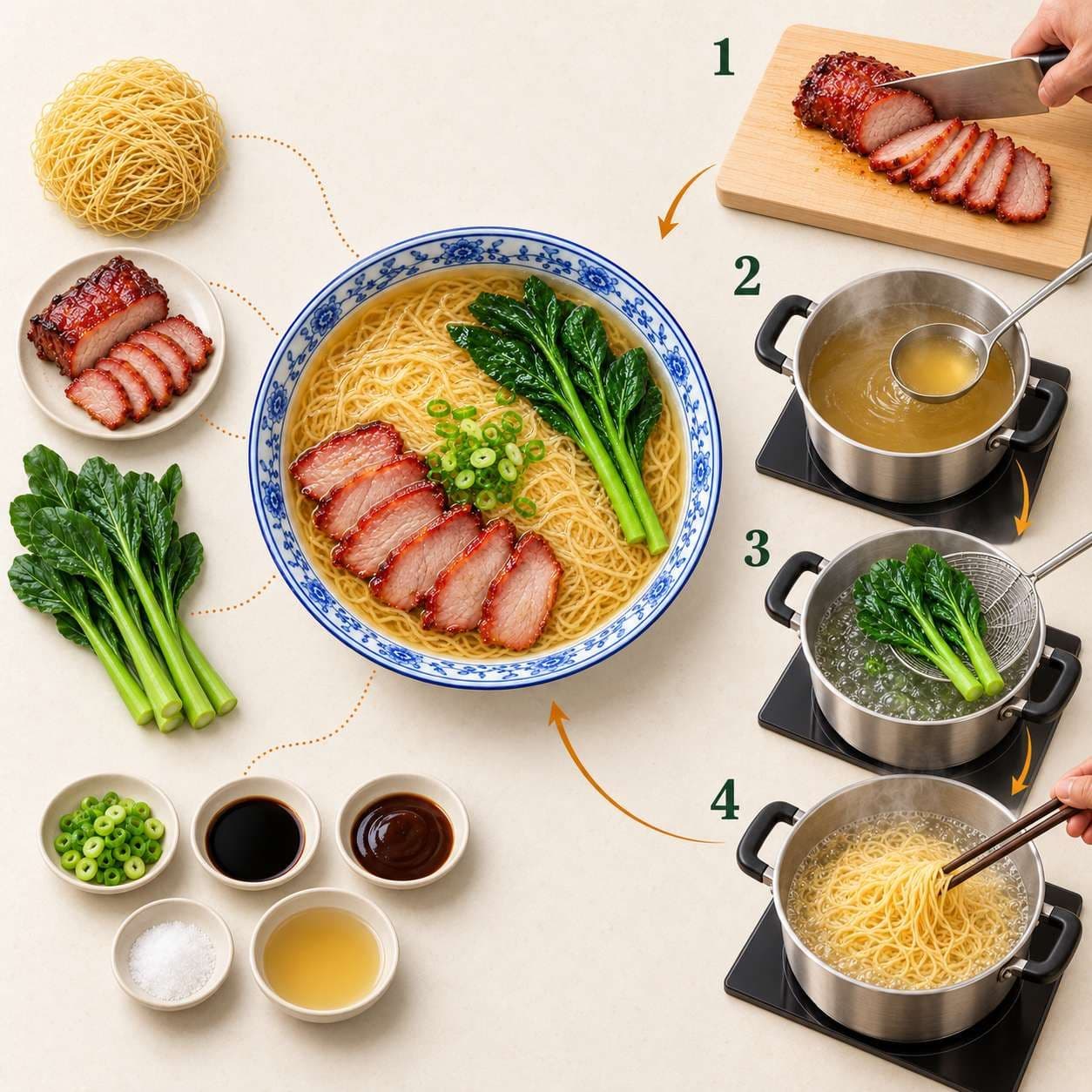
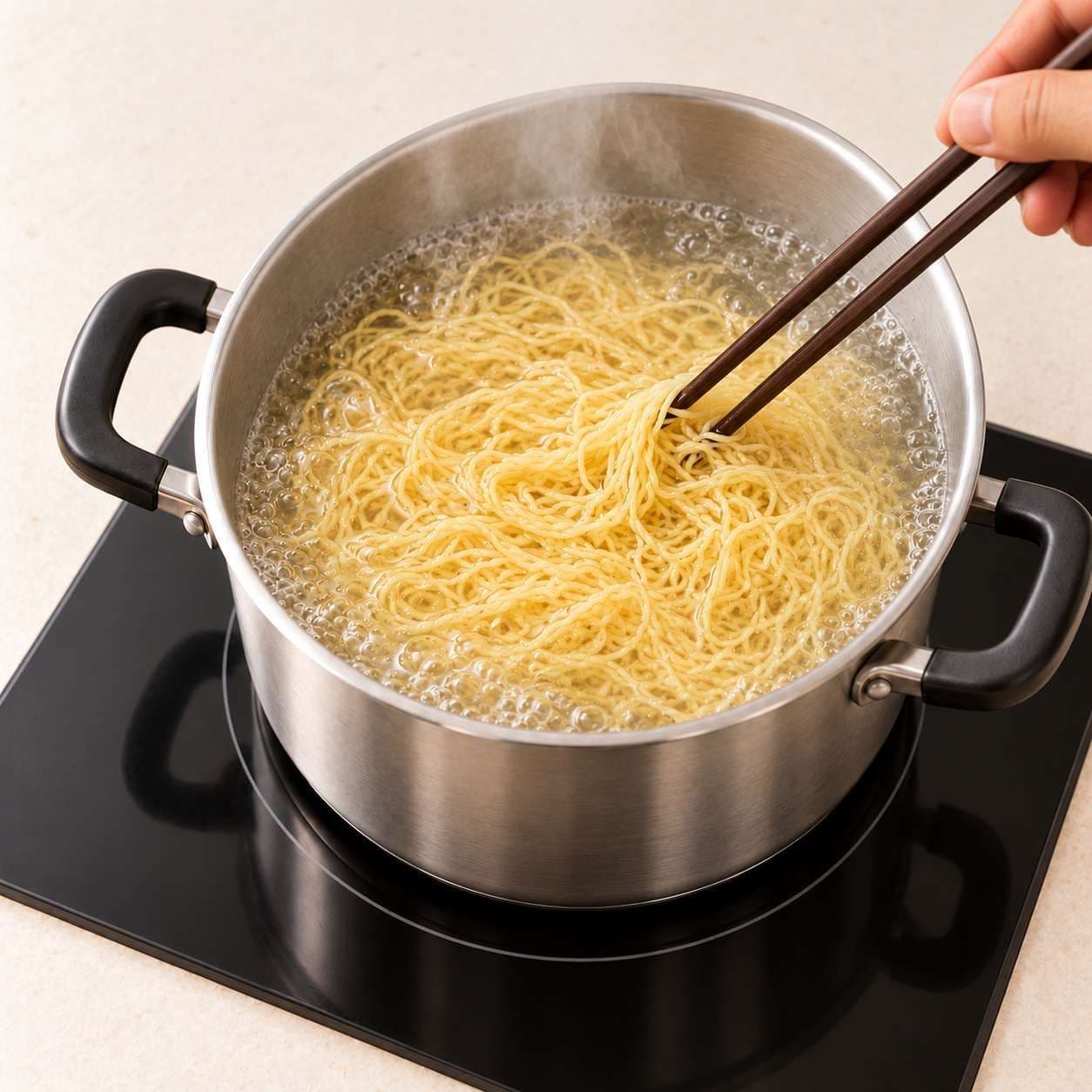
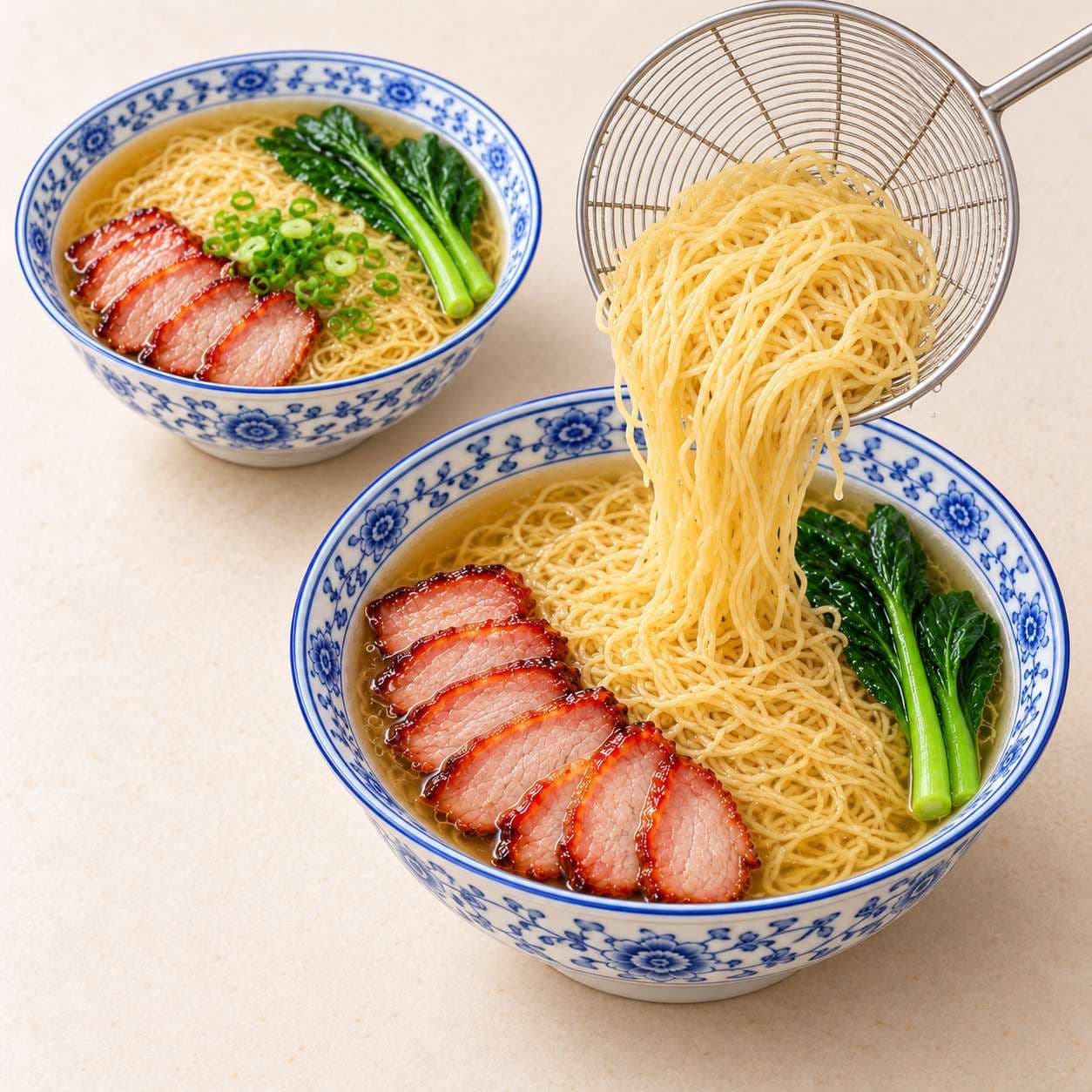
A quick visual overview of the key ingredients and cooking flow.
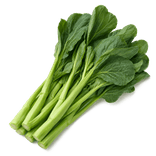
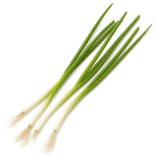
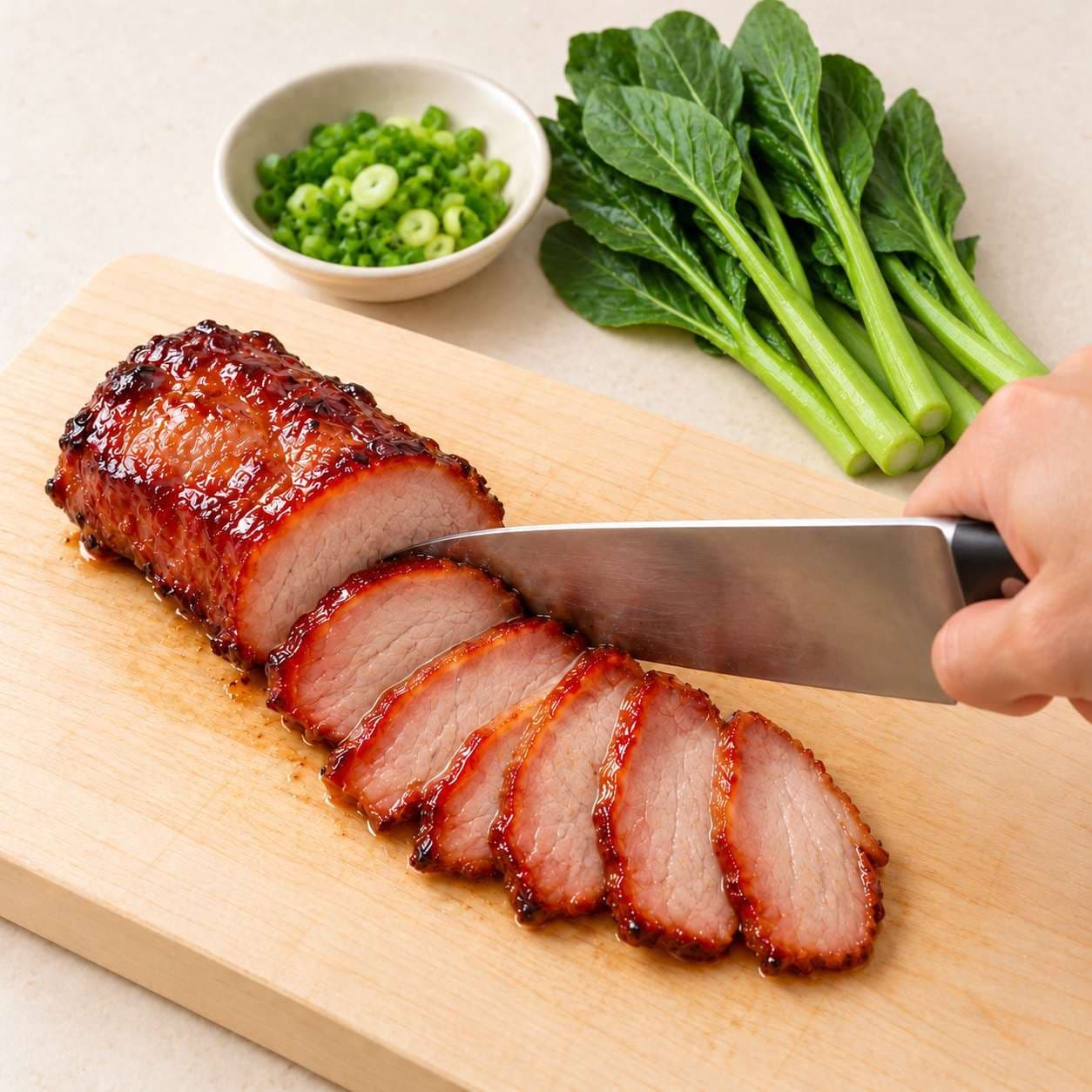
Slice 160 g cooked char siu about 3 mm thick. Trim and wash four small choy sum; split thick stems lengthwise. Finely slice two spring onions and set out two large soup bowls.
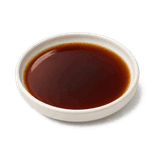
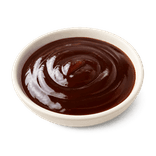
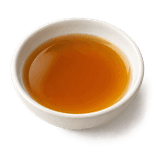
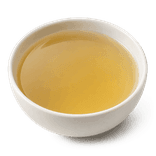
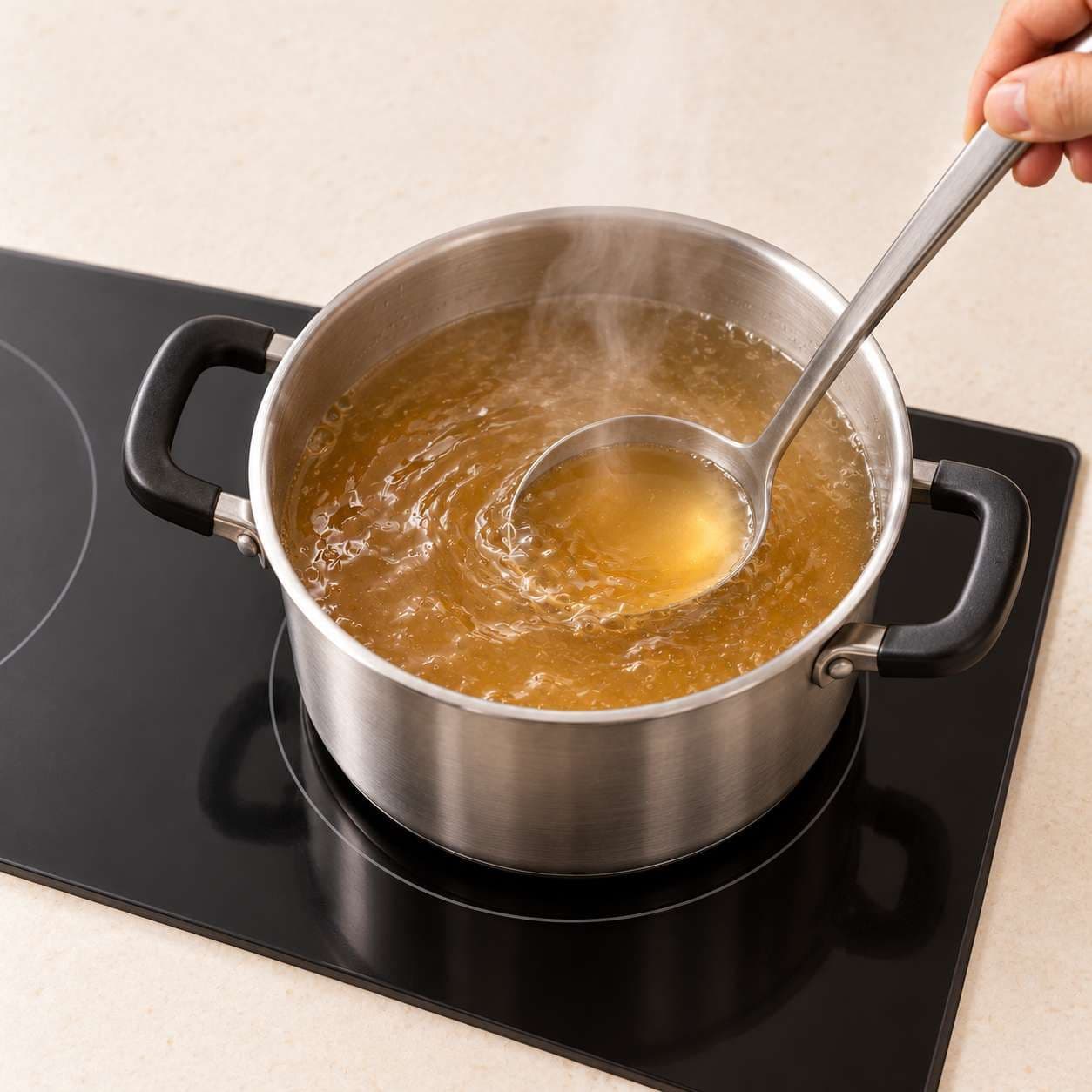
In a small pot, stir 900 ml unsalted clear chicken stock with 2 tsp light soy sauce, 2 tsp oyster sauce, ¼ tsp fine salt and ⅛ tsp white pepper. Bring to a gentle boil; the oyster sauce should dissolve into a clear, light-amber broth. Keep hot over low heat. Meanwhile, bring 2 l water to a boil in a second pot.
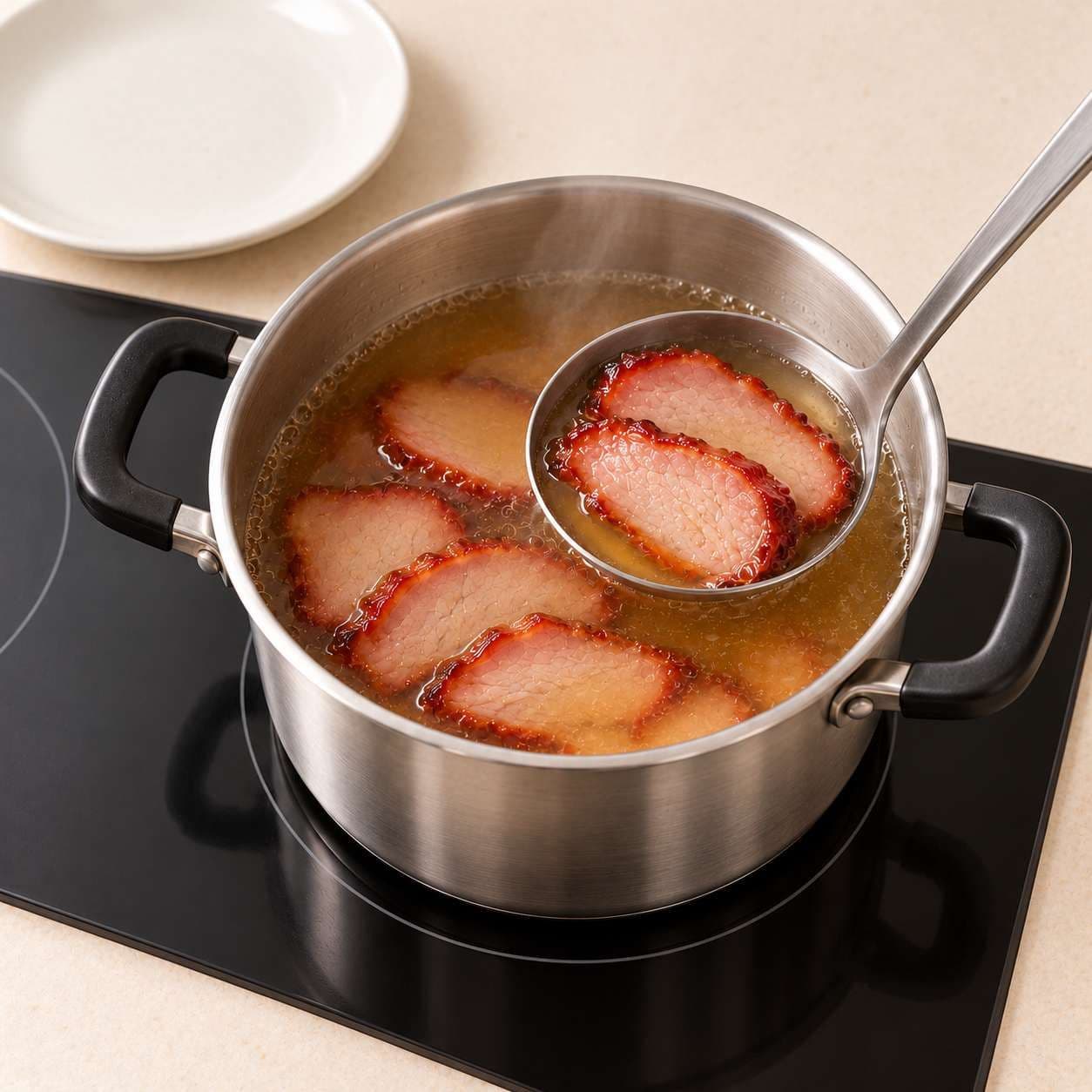
Add all the char siu slices to the gently simmering broth for about 1–2 minutes, until hot through, then lift them onto a clean plate. Avoid a hard or prolonged boil, which can toughen the meat. Keep the broth hot.
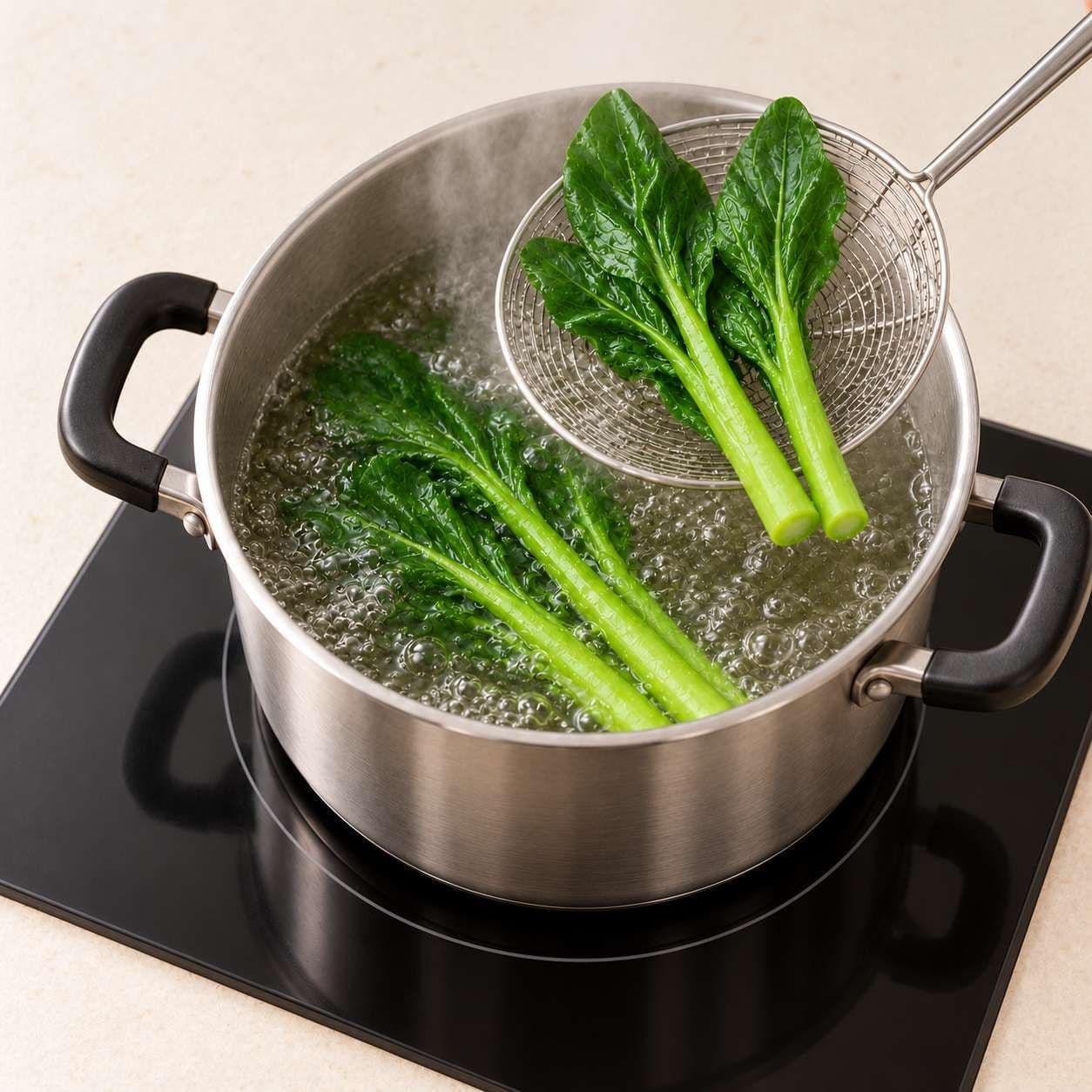
In the boiling water, submerge the choy sum stems for about 30 seconds, then add the leaves for another 30–60 seconds, until the stems are just tender and the leaves bright green. Lift out the greens and return the water to a boil. Give thick stems a little longer if still hard; avoid yellowing the leaves.
Add 200 g dried bamboo-pressed egg noodles to the reboiling blanching water and gently separate them with chopsticks. Follow the packet timing; begin checking fine dried noodles at about 2 minutes, often around 2–4 minutes, with the packet and texture taking priority. Once separate and springy with no raw center, lift them out with a wire skimmer and drain promptly.
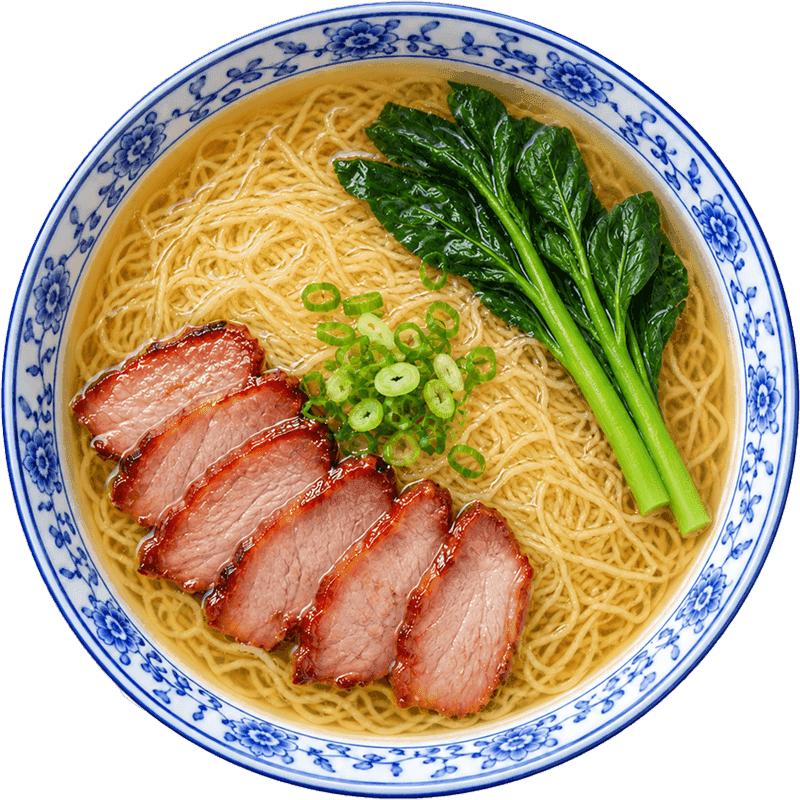
As the noodles finish cooking, divide the hot broth evenly between two bowls. Arrange half the char siu and half the greens along one side of each bowl. Drain and divide the noodles, then gently slide each portion into the open space so the strands fall naturally into the broth. Divide all the spring onion between the bowls and serve immediately.
Main Ingredients
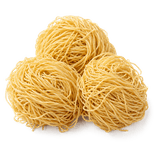
Dried Bamboo-Pressed Egg Noodles
200 g
Uncooked dry weight; fine egg noodles; no seasoning sachet
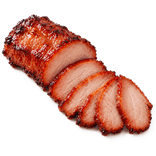
Char Siu
160 g
Fully cooked, boneless weight; sliced about 3 mm thick
Choy Sum
4 pieces
Four small whole plants, trimmed and washed; thick stems split lengthwise
Replace with four similarly sized baby bok choy, separated and washed. In Step 4, cook stems before leaves until just tender; adjust timing to their size.
Baby Bok Choy
Seasonings
Spring Onion
2 stalks
Two whole stalks, trimmed and finely sliced
Light soy sauce
2 tsp
Oyster sauce
2 tsp
Regular oyster sauce
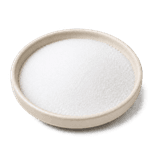
Salt
¼ tsp
Fine salt
Ground White Pepper
⅛ tsp
Optional
Sesame Oil
½ tsp
After assembly in Step 6, divide ½ tsp sesame oil evenly between the bowls.
Clear Chicken Stock
900 ml
Unsalted, clear; ready-made
Replace with 900 ml water and season in Step 2 as written; the broth will be less rich. Taste before adding more salt; any extra amount is untested.
Water
Water
2 l
For blanching greens and boiling noodles; discarded