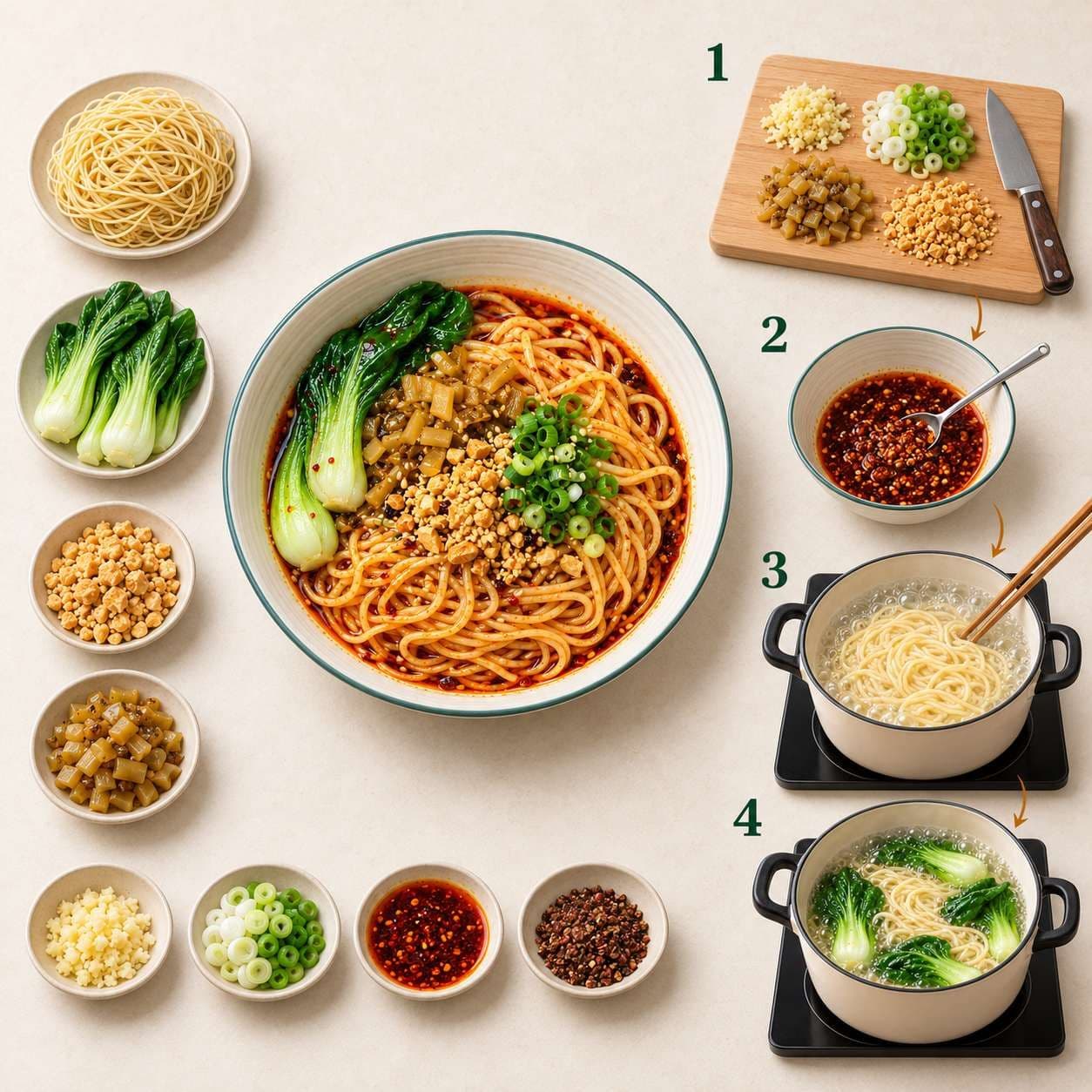
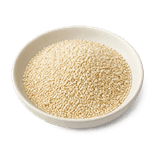
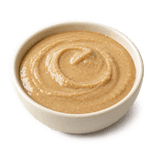
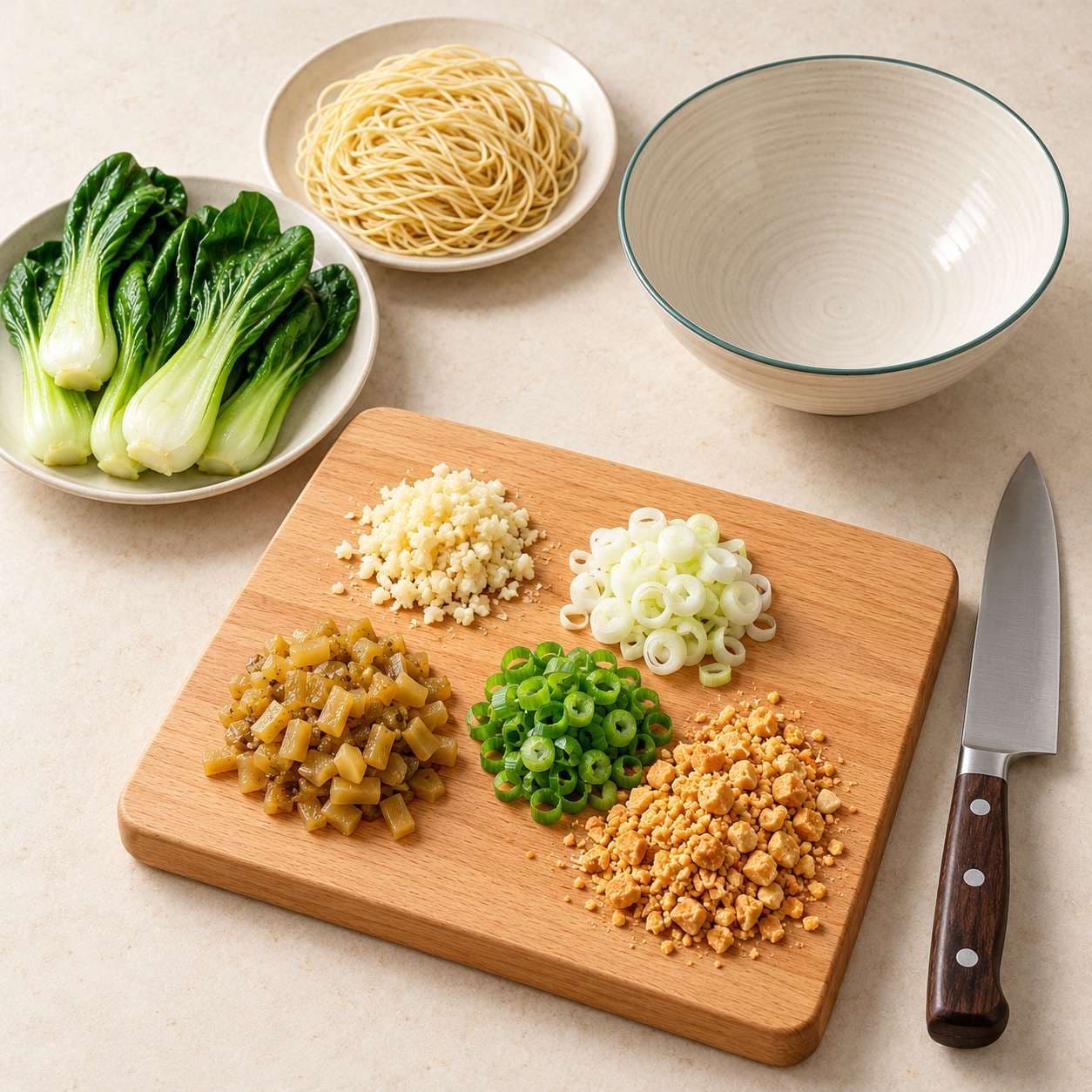
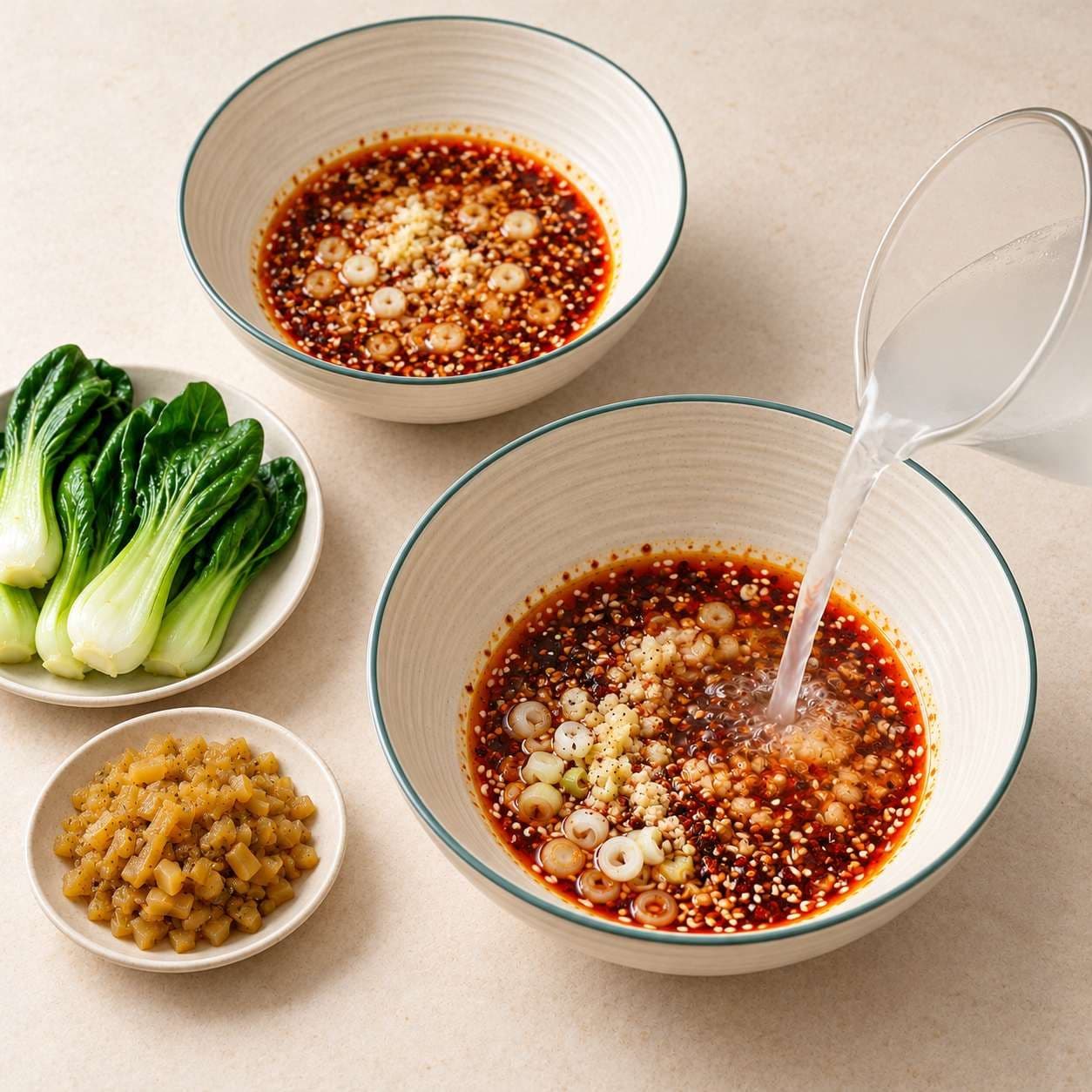
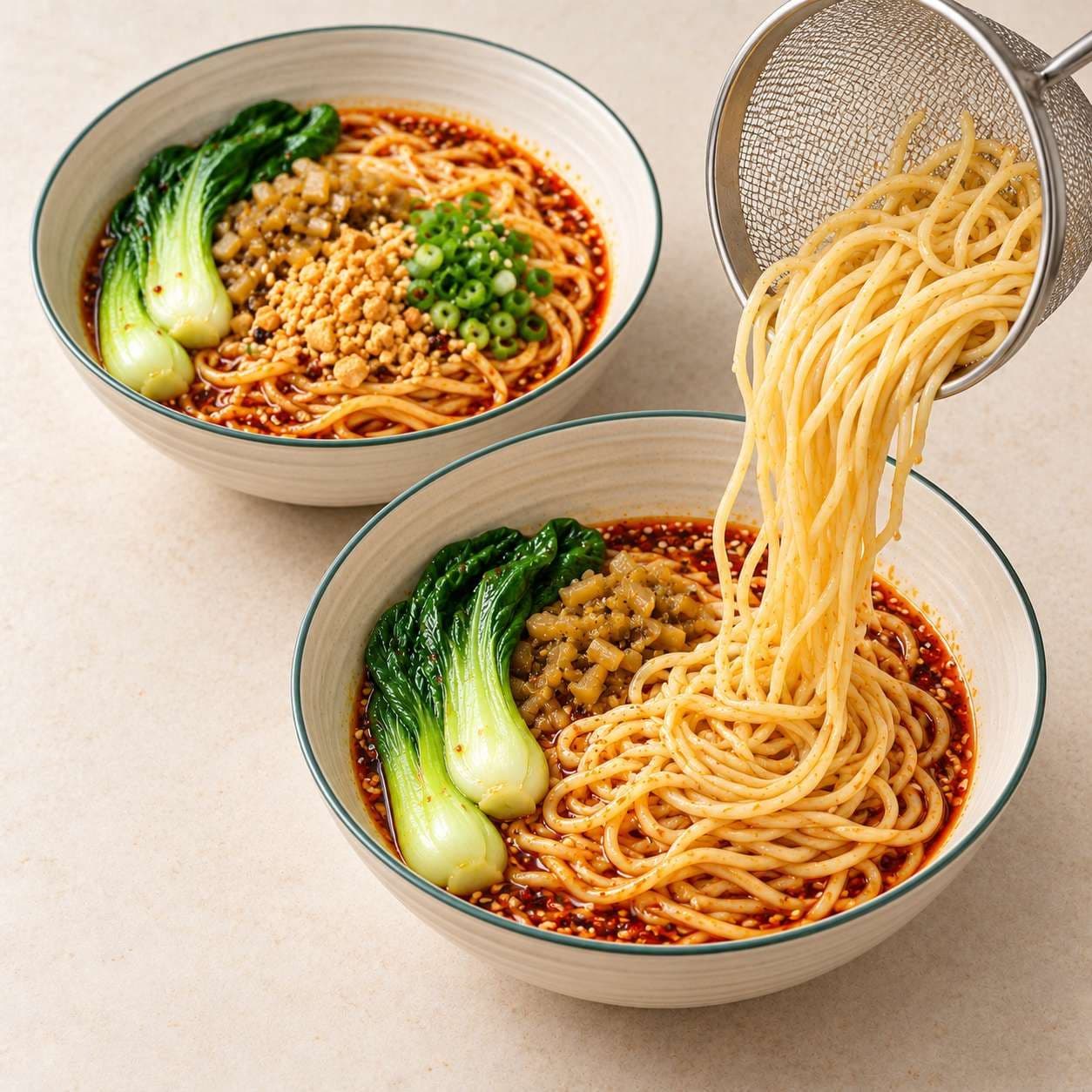
A quick visual overview of the key ingredients and cooking flow.
Mince 2 garlic cloves. Finely slice 2 spring onions, keeping whites and greens separate. Finely chop 20 g drained zha cai and coarsely crush 20 g unsalted roasted peanuts. Wash 200 g baby bok choy between the leaves and halve lengthwise.
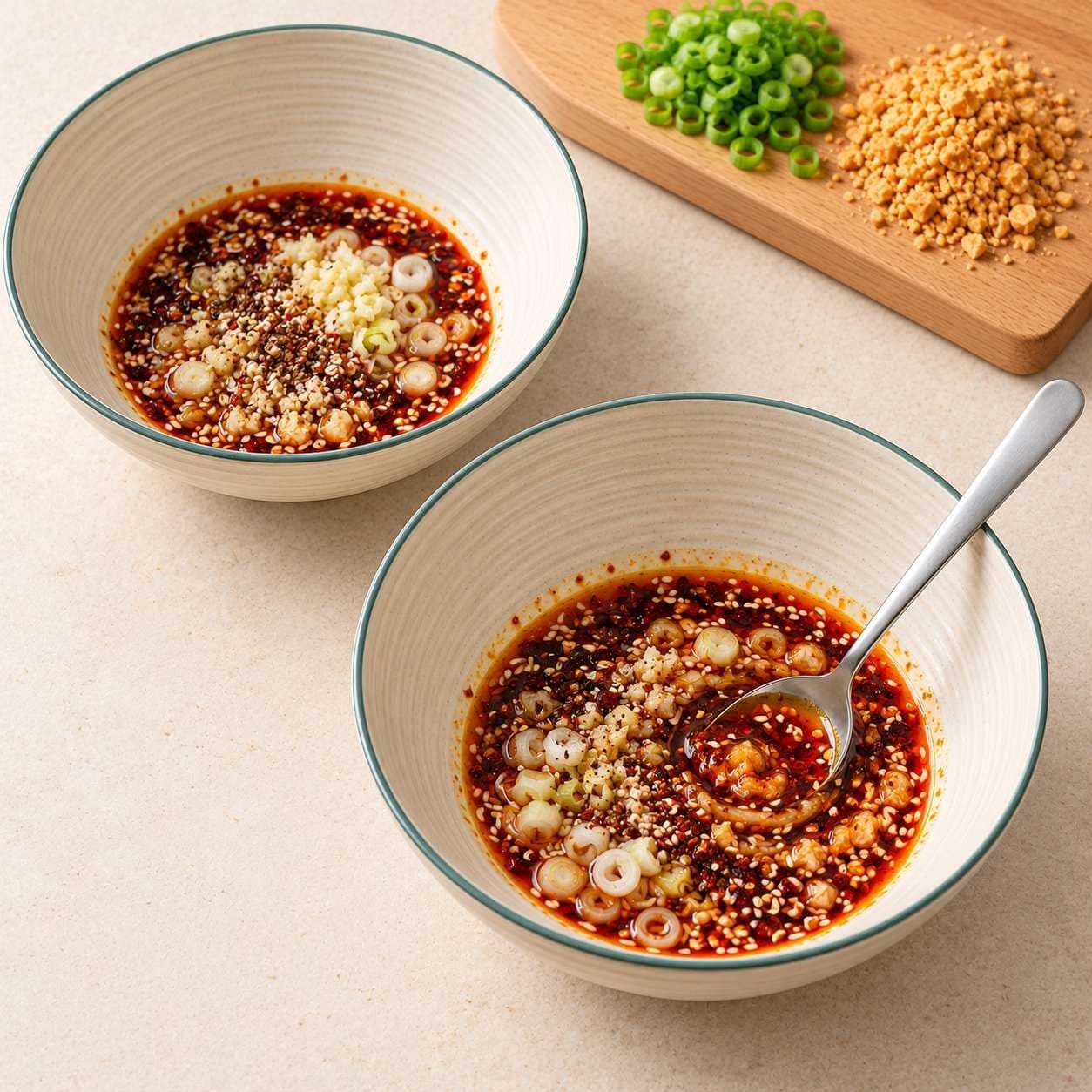
In each of two large noodle bowls, combine 1 tbsp light soy sauce, 1 tsp black vinegar, 1 tbsp chili oil, ¼ tsp ground Sichuan pepper, 1 tsp toasted sesame seeds, ¼ tsp sugar and 1 tsp vegetable oil. Divide all the garlic and scallion whites equally between the bowls and stir.
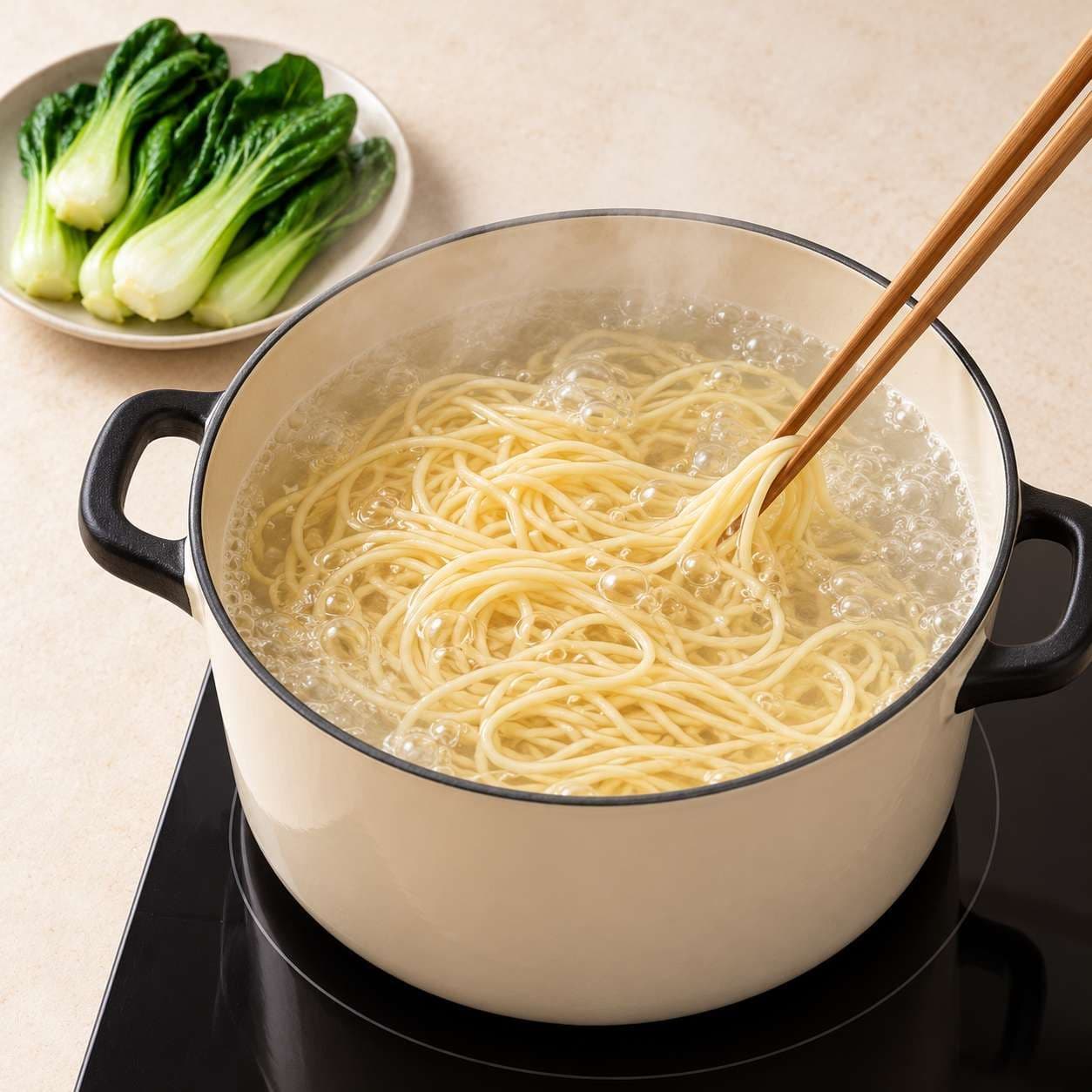
Bring 2 l water to a rolling boil. Add 300 g fresh alkaline noodles, loosen gently and cook for the packet time, maintaining an active boil after the water returns to boiling. The strands should be flexible with no raw center. Start the next step about 1 minute before they are done.
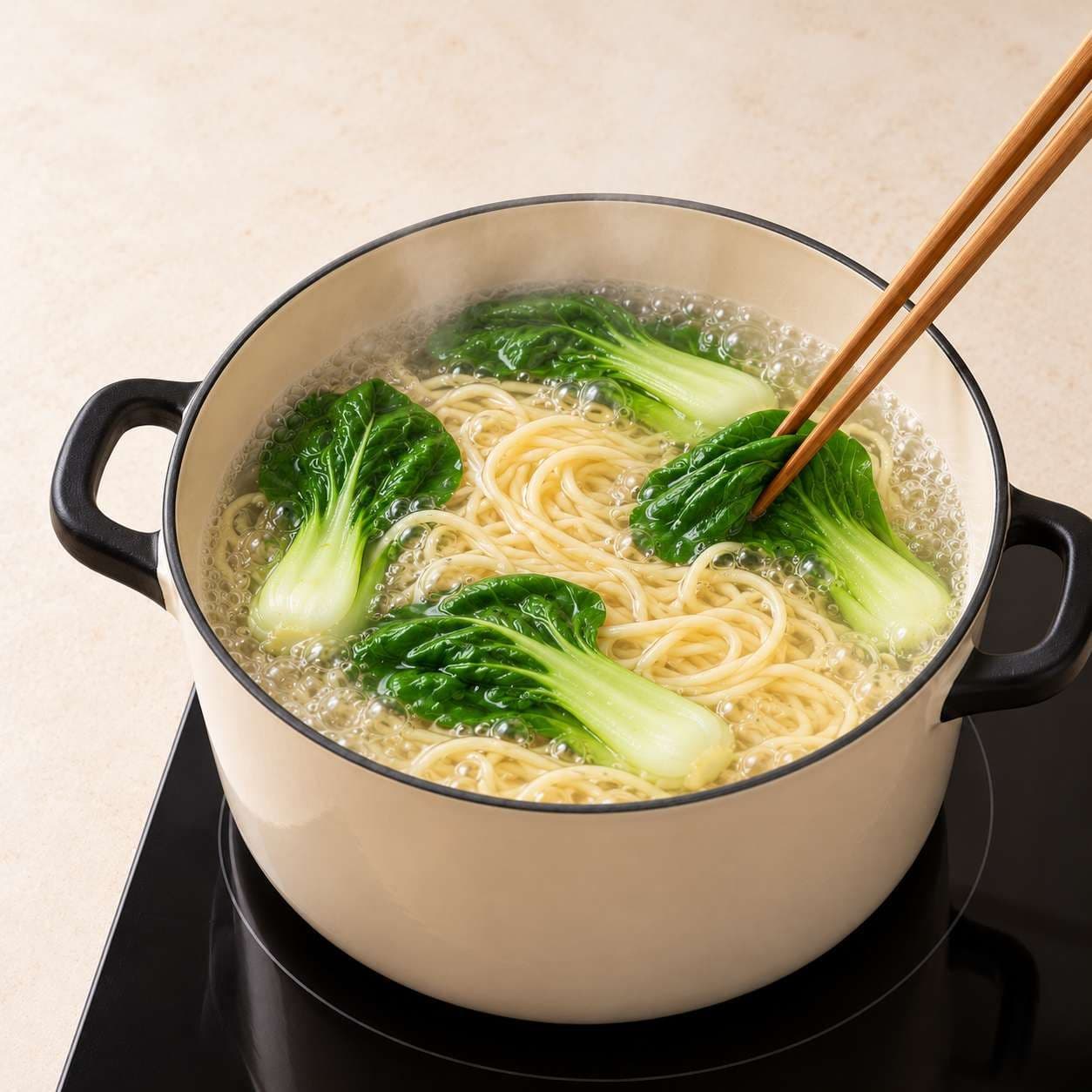
When the noodles are nearly ready, add all the bok choy to the same pot, submerging stems before leaves. Cook for about 45–60 seconds until the leaves are bright green, stems crisp-tender and noodles have no raw center. Lift a strand to check; cook briefly and check again if needed.
Reserve 180 ml hot noodle water and add 90 ml to each bowl. Stir until the sugar dissolves and the chili oil and seasonings disperse. Lift and briefly drain the bok choy, dividing it along one side of each bowl. Divide all the chopped zha cai between the bowls.
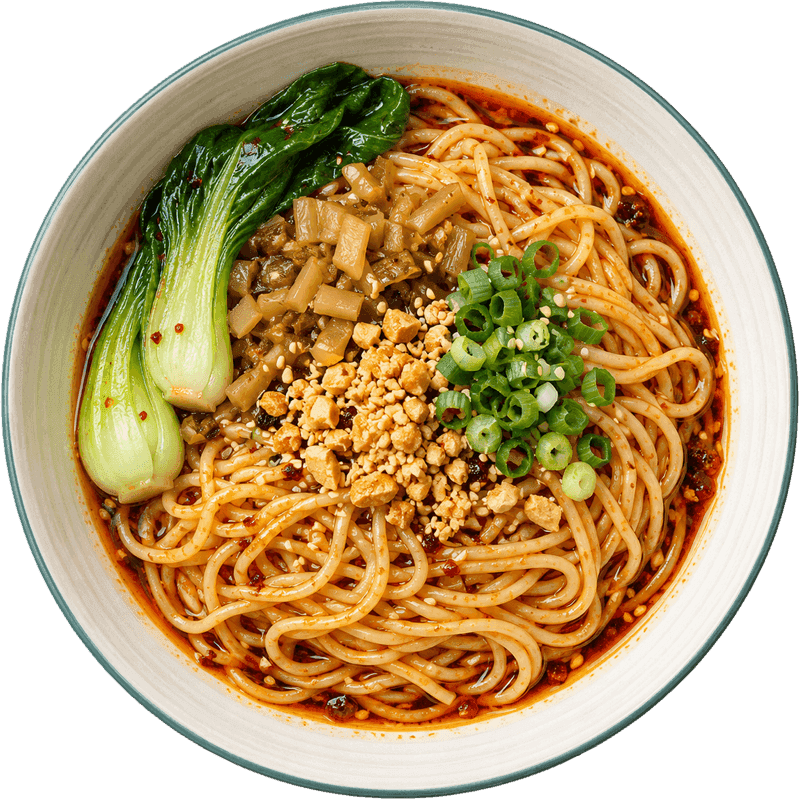
Lift and briefly drain the noodles, then divide between the bowls. Toss each portion until coated in the red sauce and top with half the crushed peanuts and half the scallion greens. Serve hot. Finish one bowl first, then gently tip the second portion into the other bowl; avoid leaving drained noodles standing.
Main Ingredients
Fresh Alkaline Noodles
300 g
Raw, not precooked; thin round strands; no meat, seafood or animal fat
Replace 300 g fresh noodles with 200 g thin dried wheat noodles with vegetarian ingredients. Cook by the packet until no raw center remains; this is not an equal-weight swap.
Dried Wheat Noodles
Baby Bok Choy
200 g
Trimmed weight; halved lengthwise
Replace with 200 g trimmed choy sum, cut into lengths. In Step 4, add thicker stems before the leaves and blanch until crisp-tender.
Choy Sum
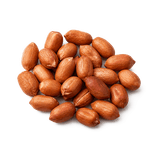
Roasted Peanuts
20 g
Unsalted; coarsely crushed; no animal fat
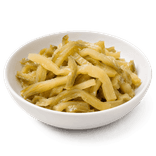
Zha Cai
20 g
Plain, ready to eat, drained; no meat or seafood flavoring
Seasonings
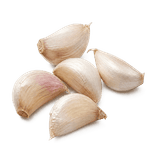
Garlic
2 cloves
Peeled
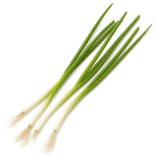
Spring Onion
2 stalks
Trimmed, washed and dried
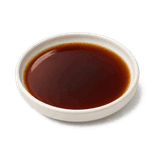
Light soy sauce
2 tbsp
Plain; no meat, seafood or animal stock
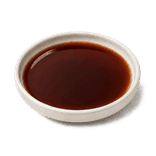
Chinese black vinegar
2 tsp
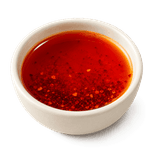
Chili Oil
2 tbsp
With some chili sediment; plant-oil base; no meat, seafood or animal fat
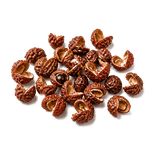
Sichuan peppercorn
½ tsp
Toasted and ground; measured after grinding
White Sesame Seeds
2 tsp
Toasted
Optional
Chinese Sesame Paste
2 tsp
Add 1 tsp to each bowl in Step 2. Loosen with the listed noodle water in Step 5 before stirring; do not add extra water.