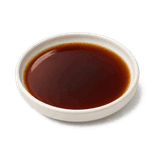
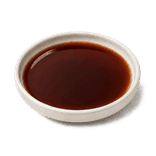
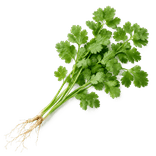
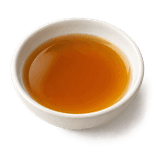
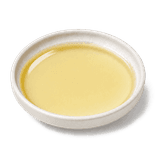
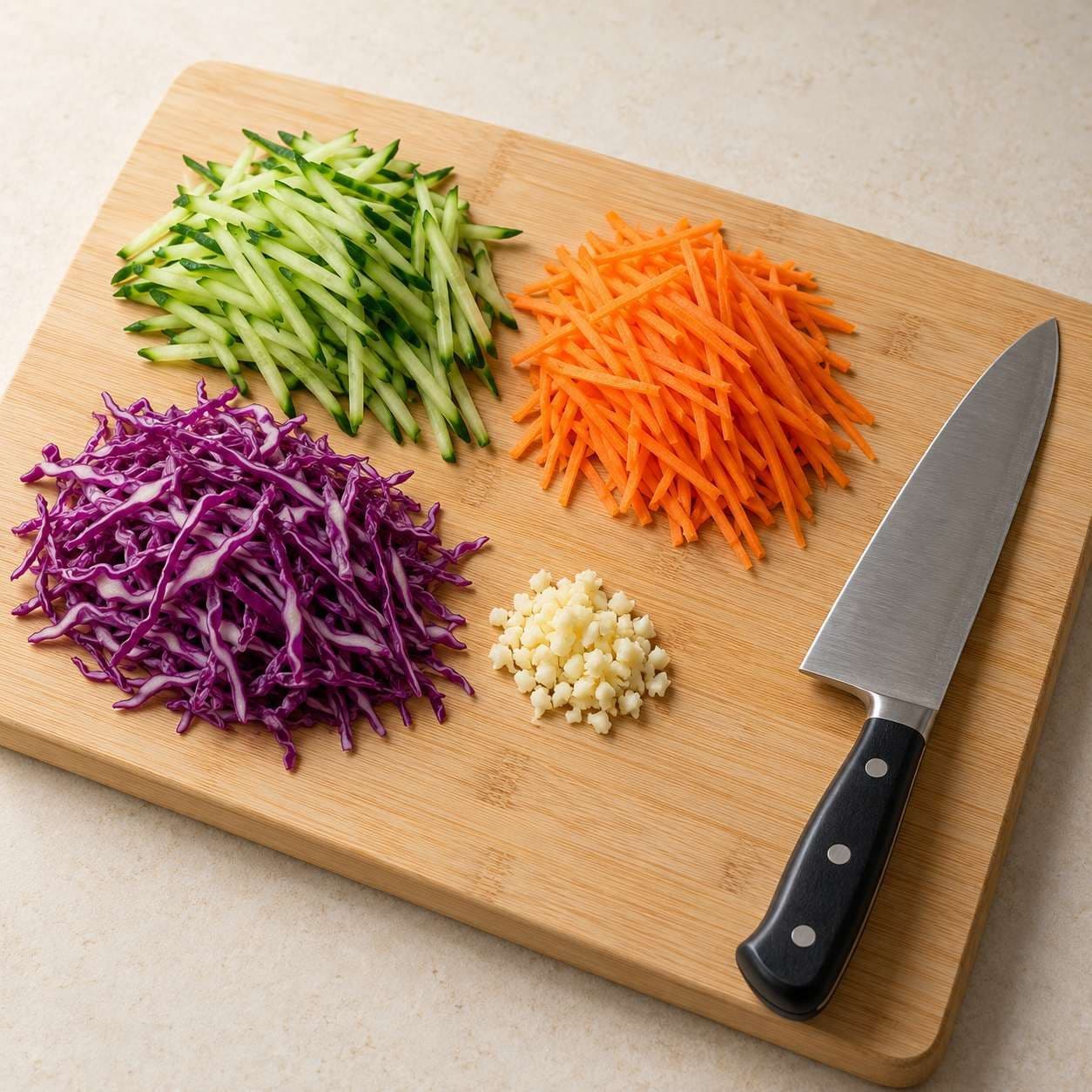
A quick visual overview of the key ingredients and cooking flow.


东北大拉皮
A quick visual overview of the key ingredients and cooking flow.

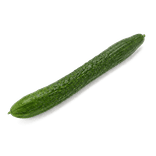
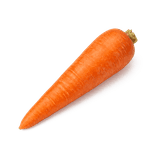
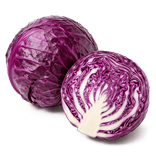
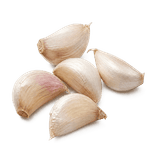
Wash and dry the vegetables. Julienne the 100 g cucumber and 50 g carrot, and finely shred the 50 g red cabbage. Keep them separate. Mince the 10 g peeled garlic.

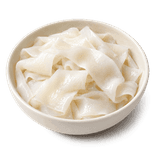
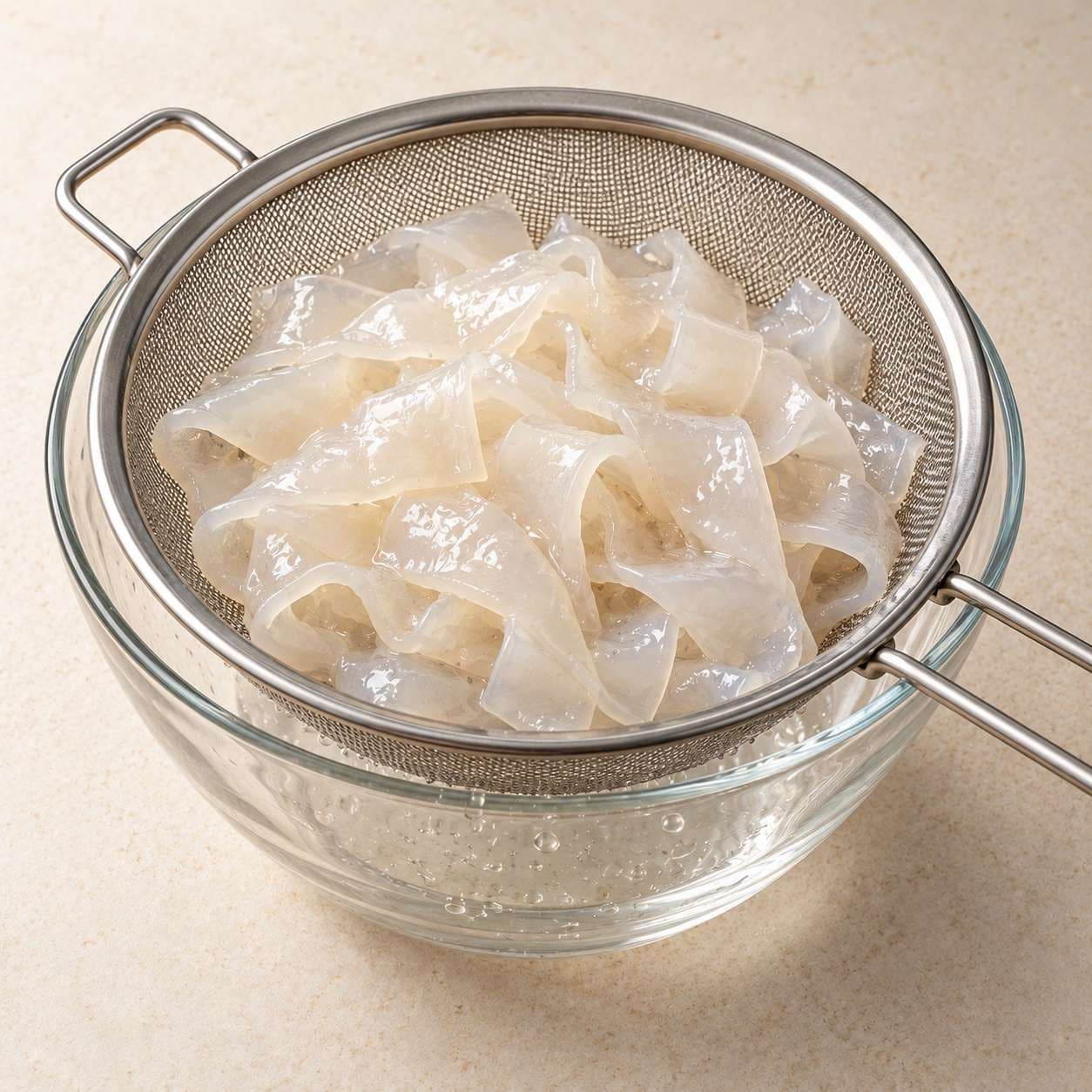
Weigh 250 g plain fresh lapi after draining the packing liquid and gently separate it. Follow the pack's heating instructions until pliable with no hard center. Cool in potable cold water, drain well and cut long sheets into manageable wide ribbons. Do not assume every brand needs only 30 seconds.

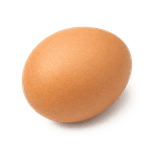
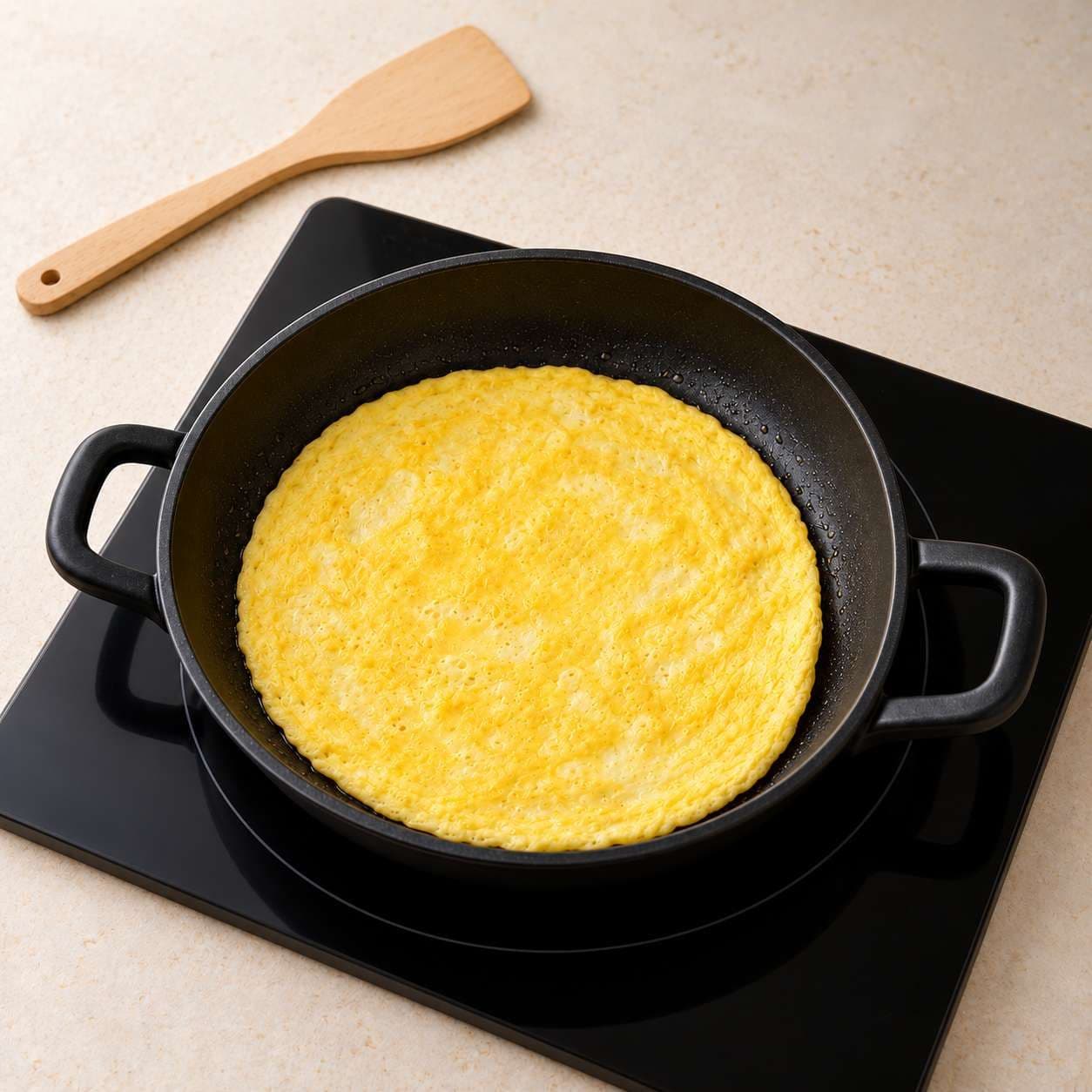
Beat the egg. Coat a small nonstick pan with the teaspoon of vegetable oil over medium-low heat. Pour in the egg and swirl into a thin layer. Turn when mostly set; cook until no liquid egg remains on either side. Transfer to a clean plate to cool without browning it crisp.

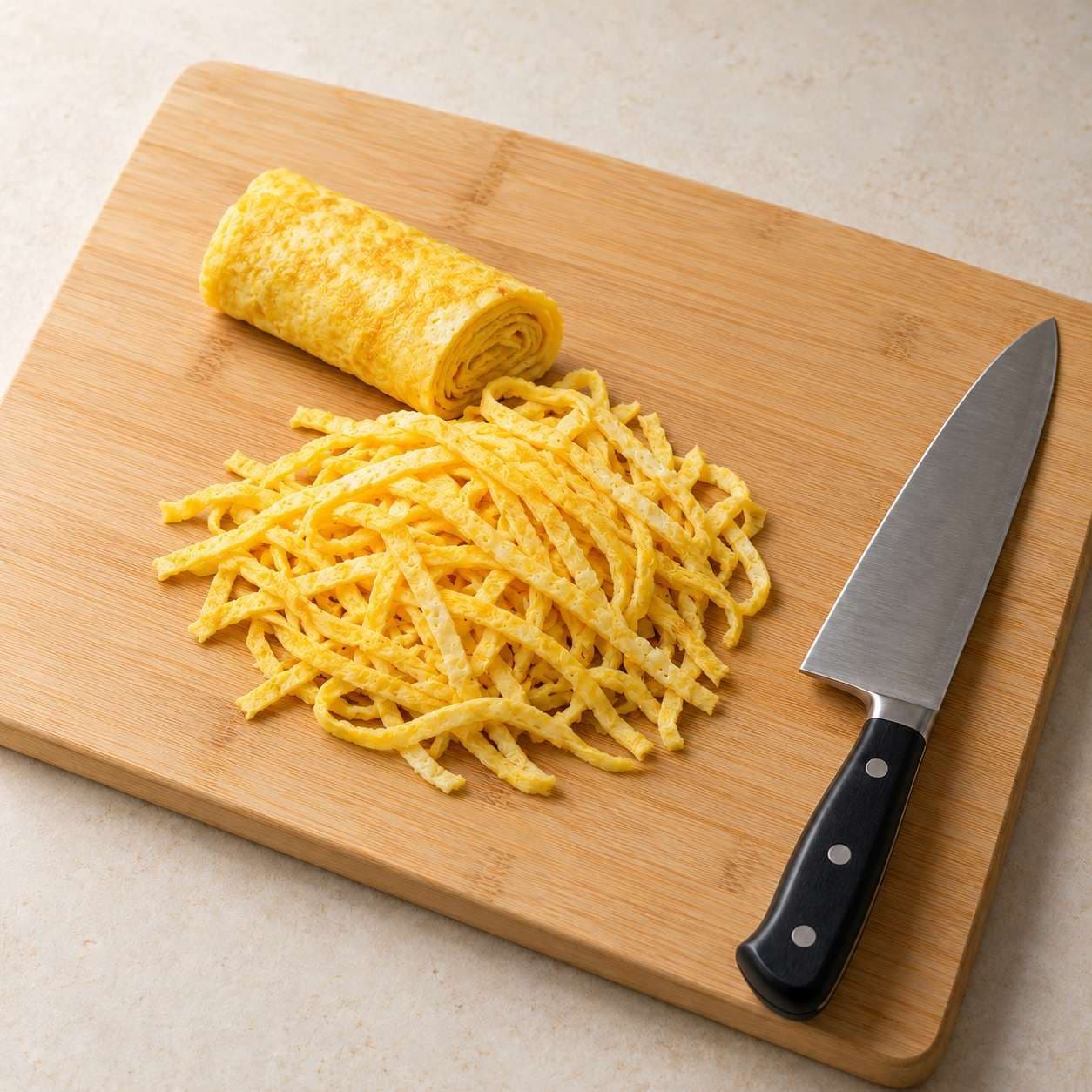
Once cool enough to handle, move the omelet to a clean, dry board. Roll it loosely, slice into ribbons about 3 mm wide and gently separate them.

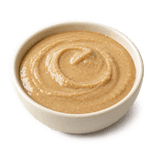
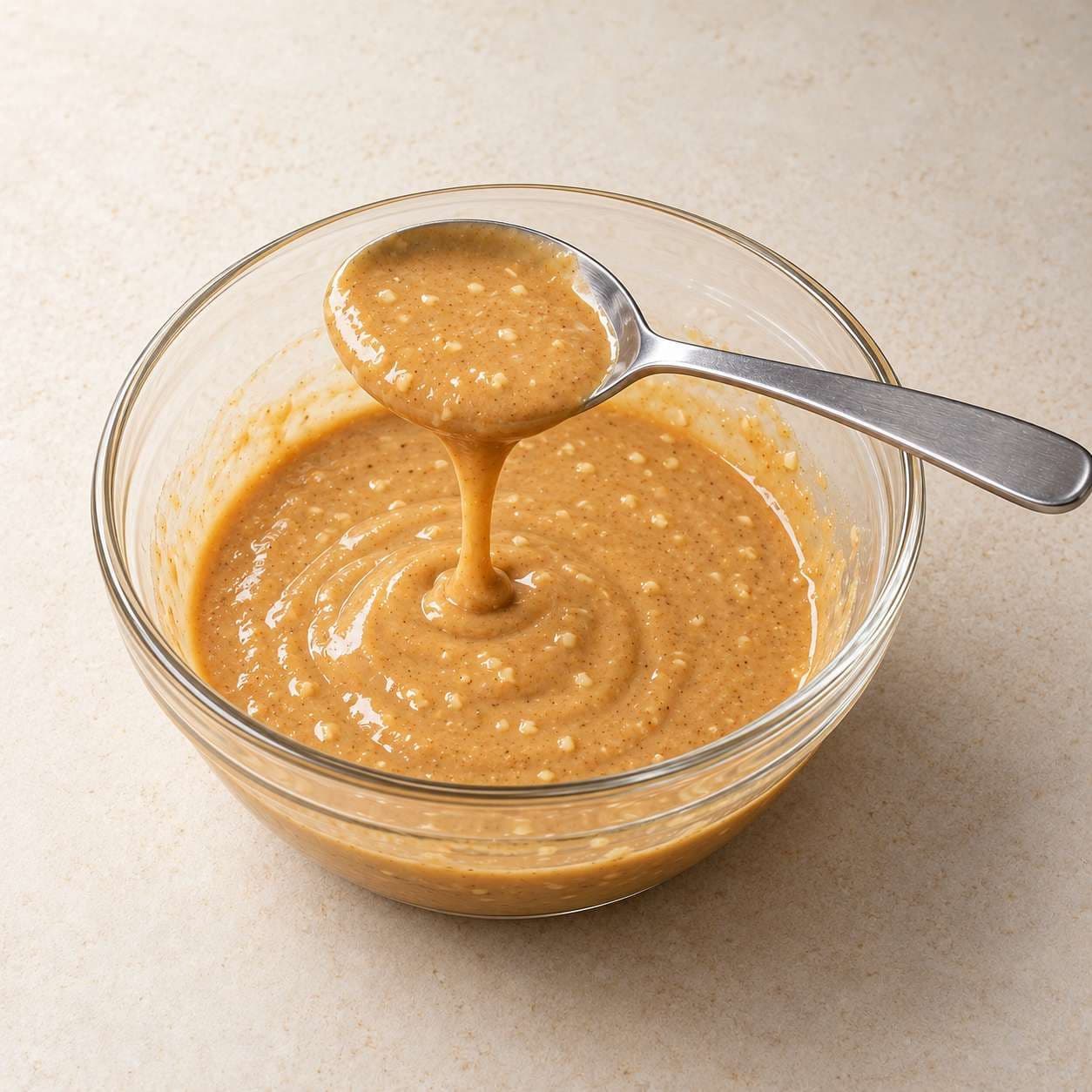
Gradually stir the 30 ml cooled boiled water into the 30 g sesame paste until smooth, even if it first thickens. Mix in the tablespoon each of light soy sauce and black vinegar, teaspoon of sugar, all 10 g garlic and teaspoon of sesame oil. Stir until the sugar dissolves and the dressing pours in a thick, continuous ribbon.
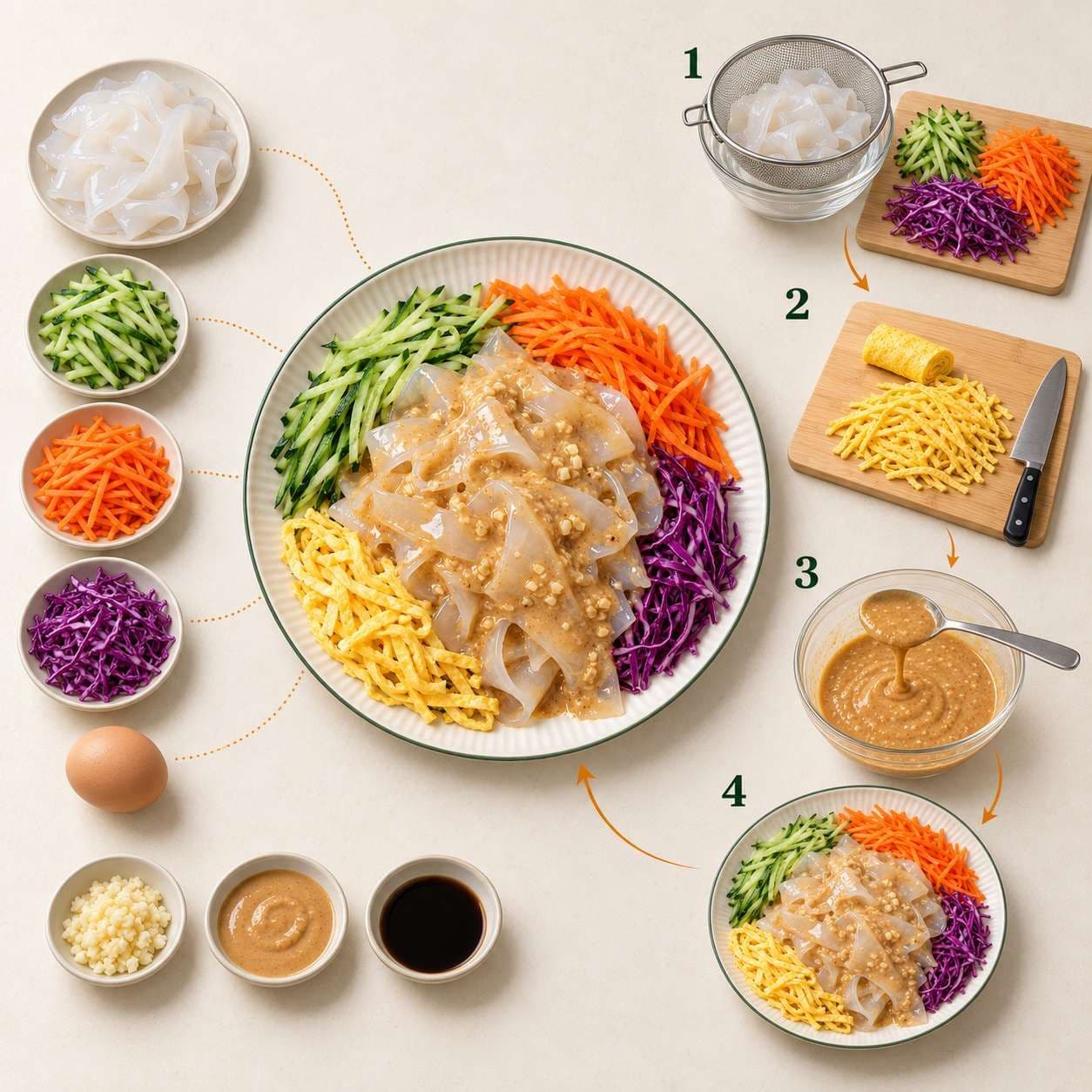
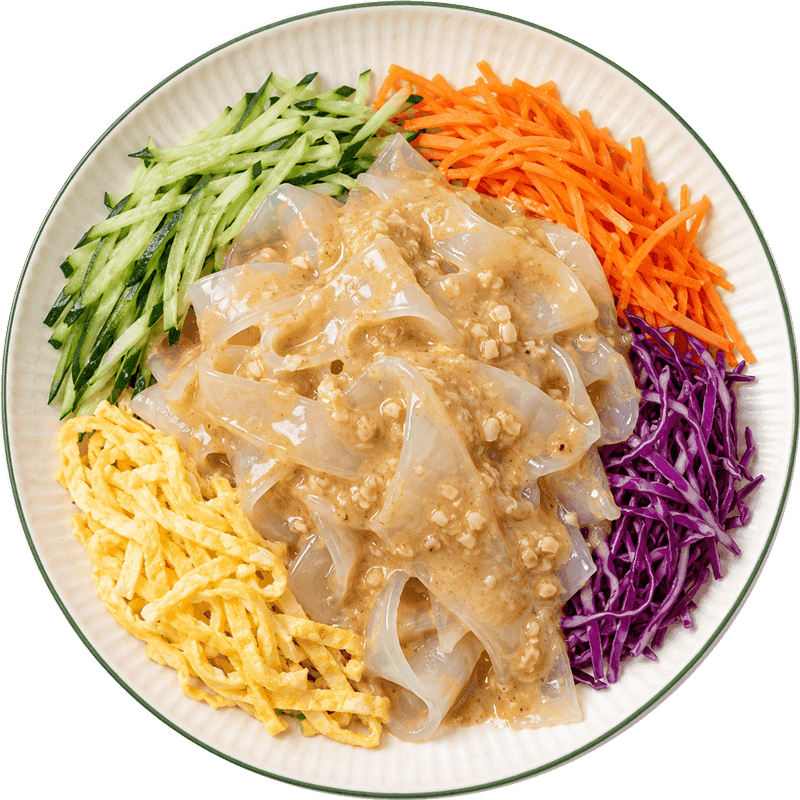
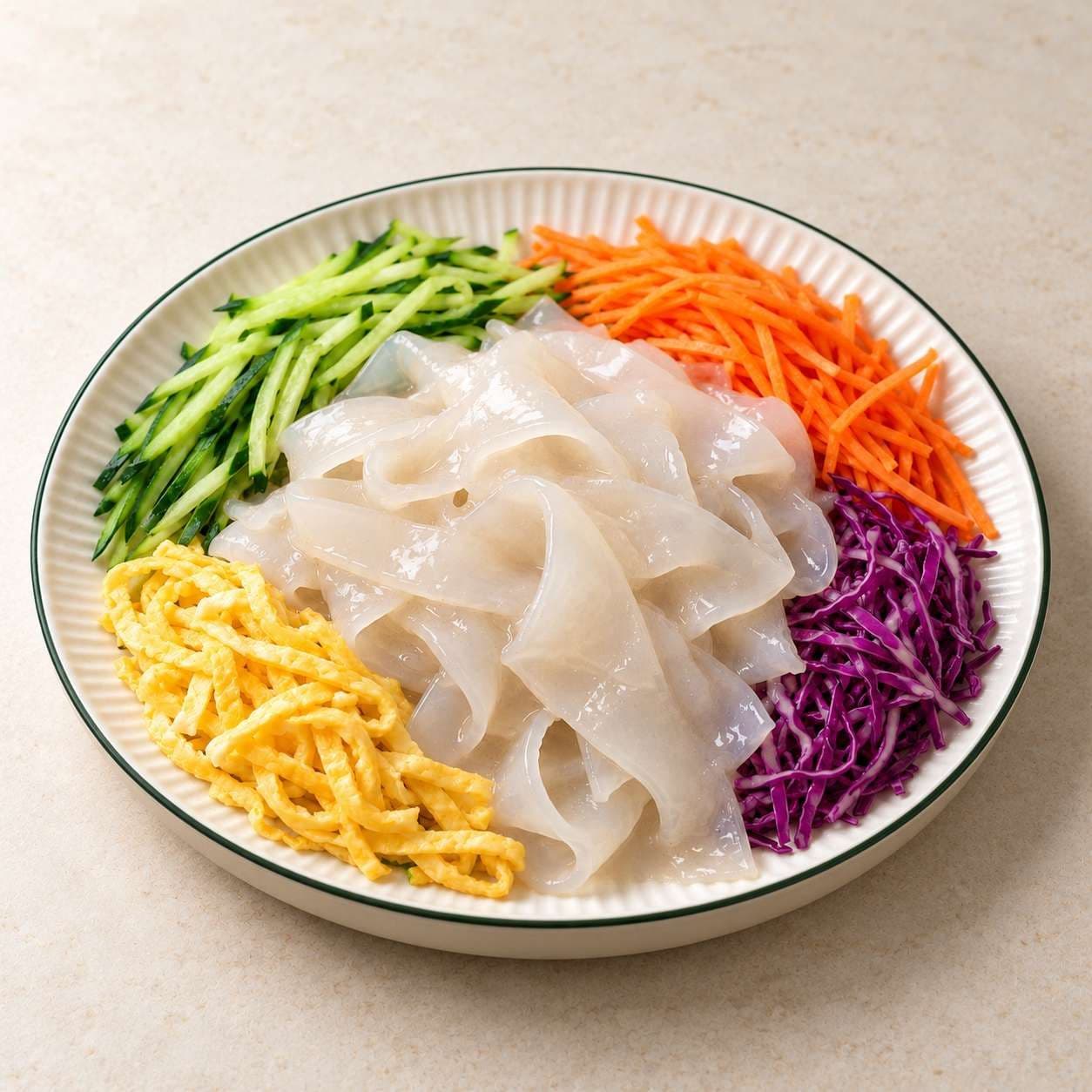
Place all the drained lapi in the center of a large shallow plate. Arrange all the cucumber, carrot, red cabbage and egg ribbons in separate sections around it. The noodles should have no pool of water; keep the dressing off for now.

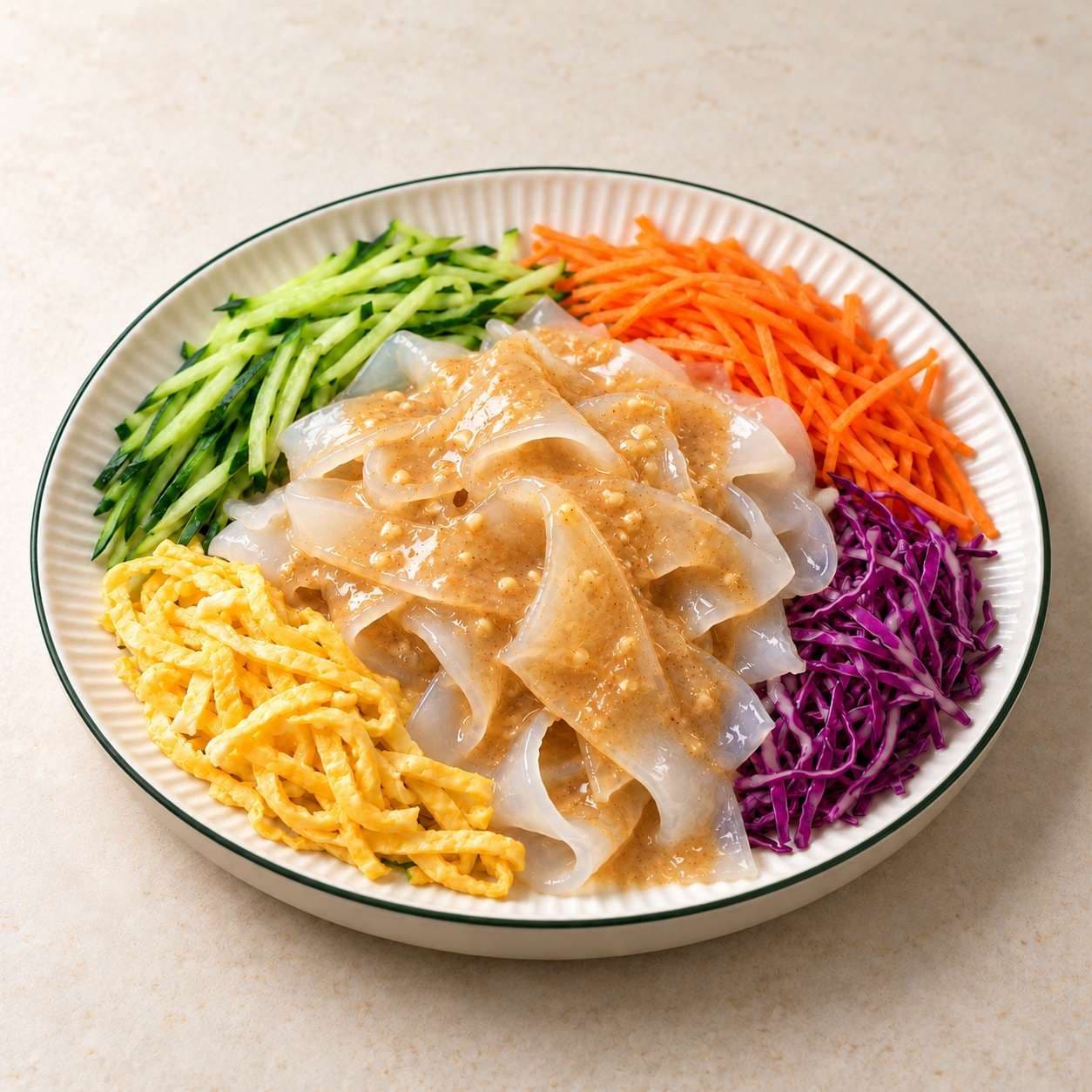
Just before serving, pour all the sesame dressing over the lapi. Gently turn the central noodles to coat them, keeping some wide ribbons and the colorful vegetables visible. Serve immediately and toss from the bottom at the table so the vegetables do not release water too early.