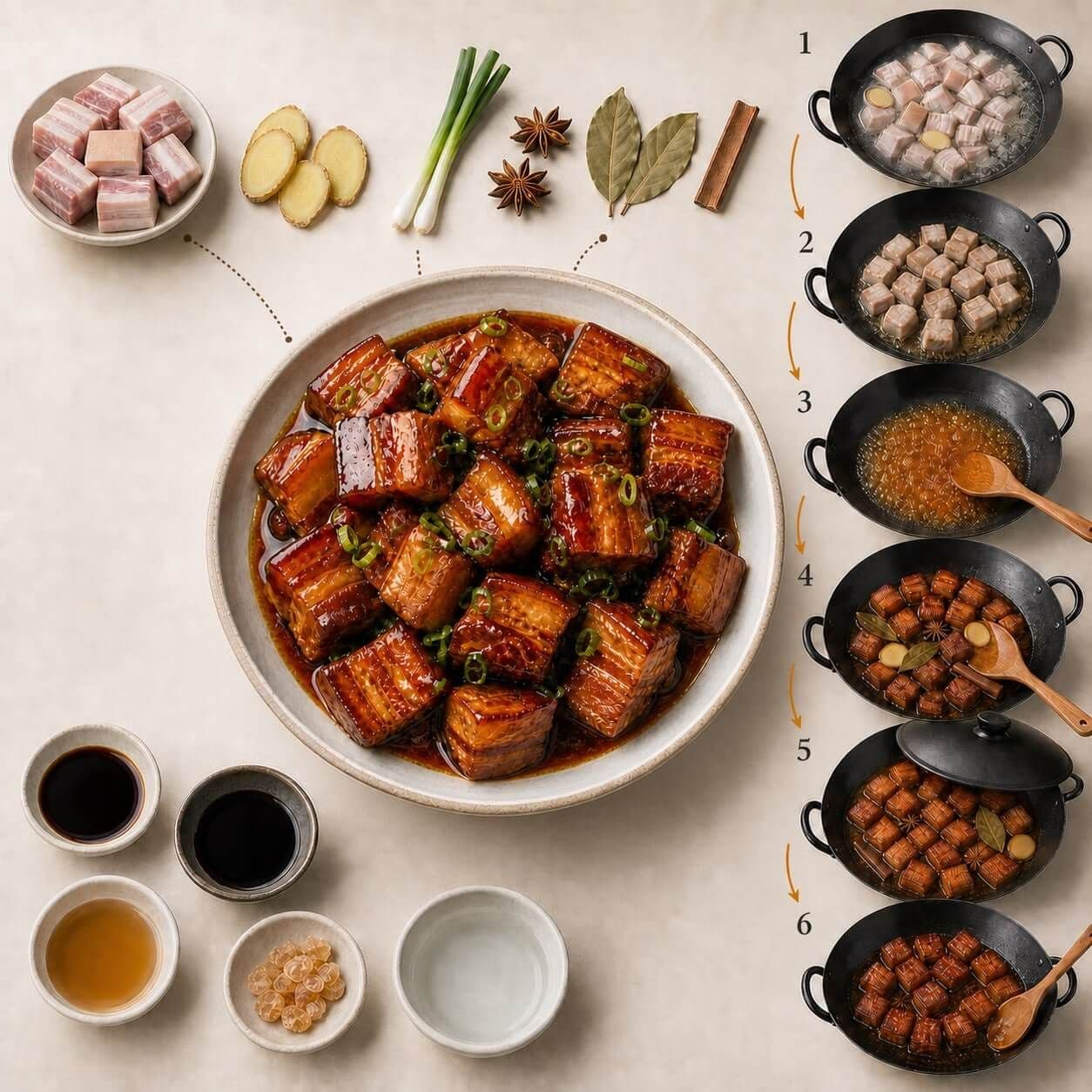
A quick visual overview of the key ingredients and cooking flow.
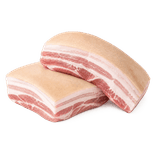
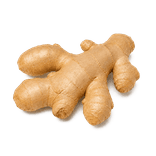
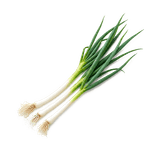
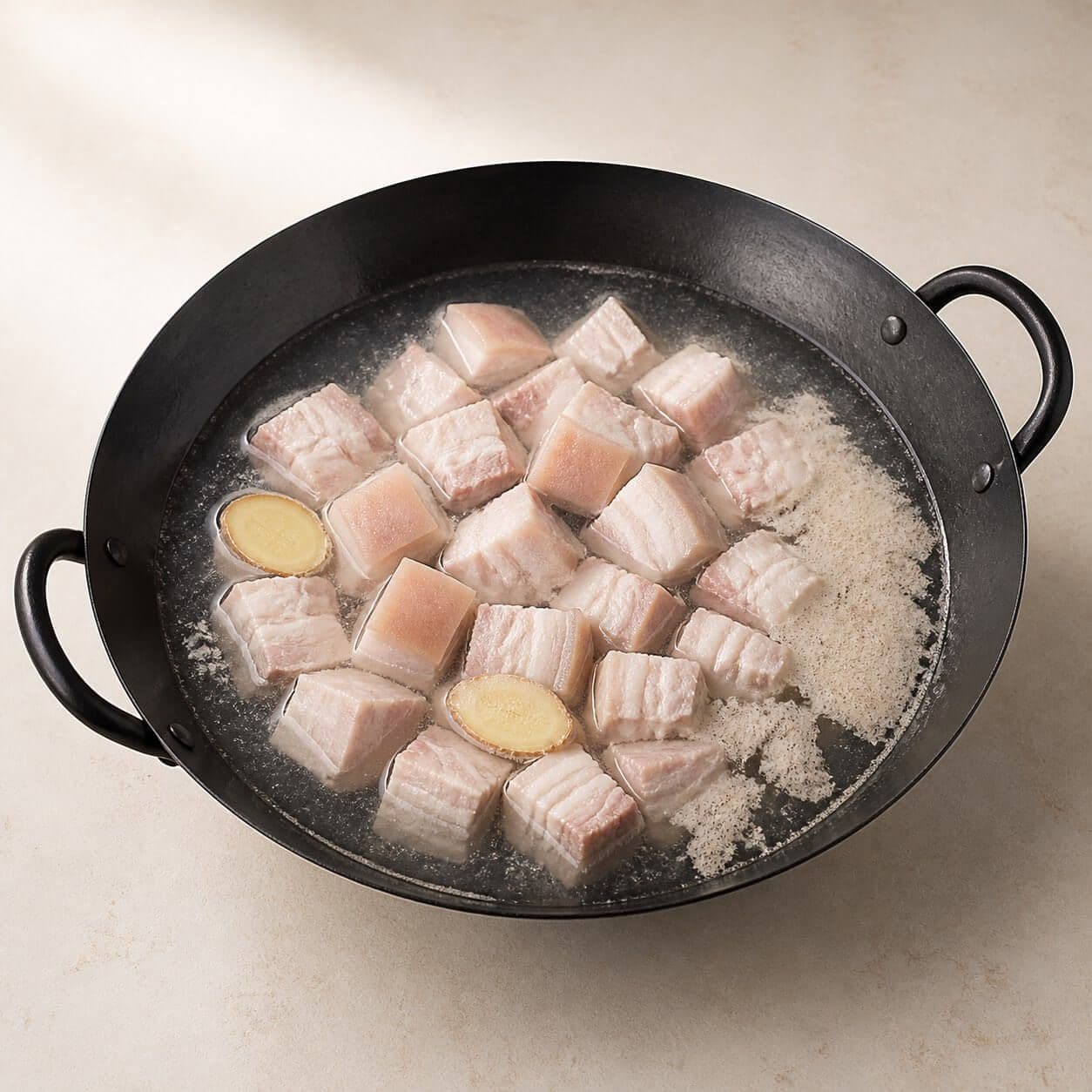
Cut the pork belly into roughly 3 cm cubes. Place in a pot with 2 ginger slices and 15 ml cooking wine, then cover with cold water. Bring to a boil, skim, and cook for about 2 minutes. Lift out, rinse off clinging foam, drain thoroughly, and discard the blanching water. Wash the scallions; cut the whites into segments and finely slice the greens.
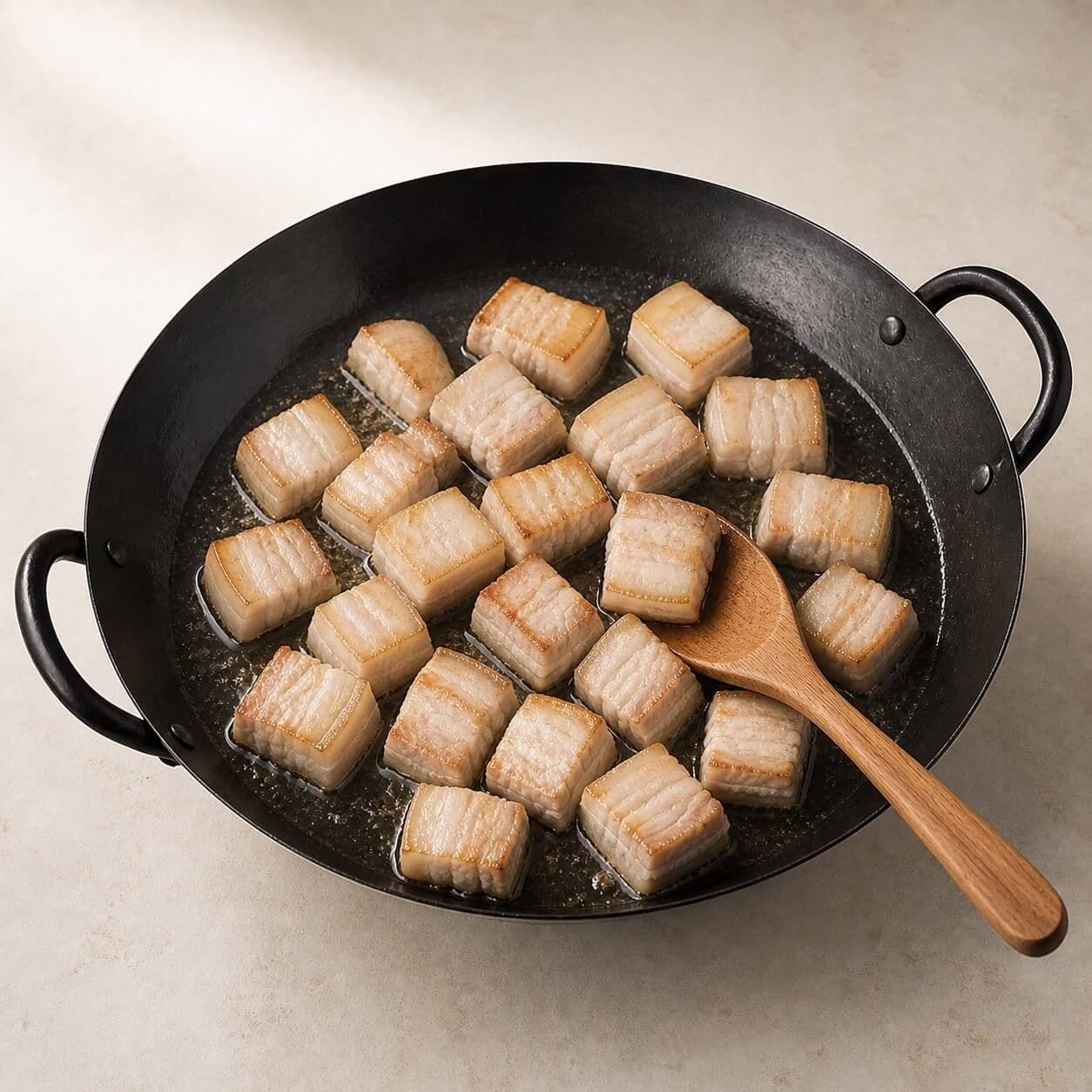
Dry the wok and pork well. Add no extra oil. Gently render the pork until lightly golden and some fat has released; remove the pork and leave only a thin film of fat in the wok.
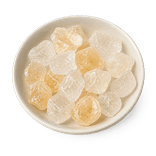
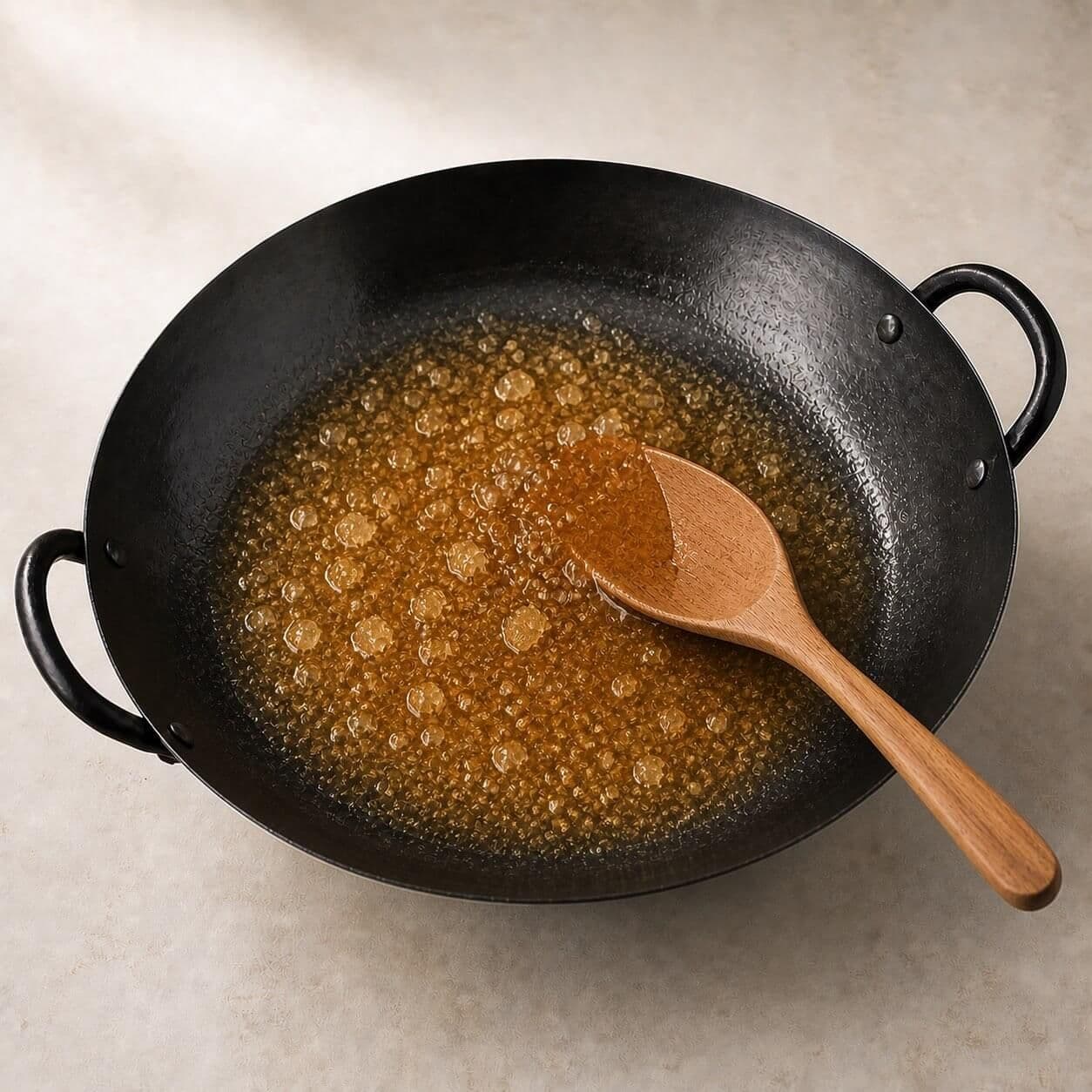
Add 20 g rock sugar to the thin film of rendered fat. Heat gently, moving it carefully, until fully melted into an amber syrup with fine bubbles, then proceed immediately. Do not let it turn black or smoke.
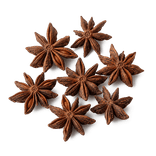
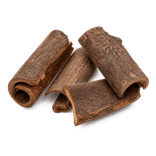
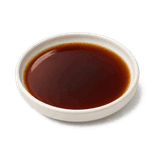
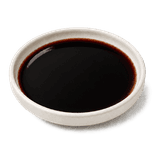
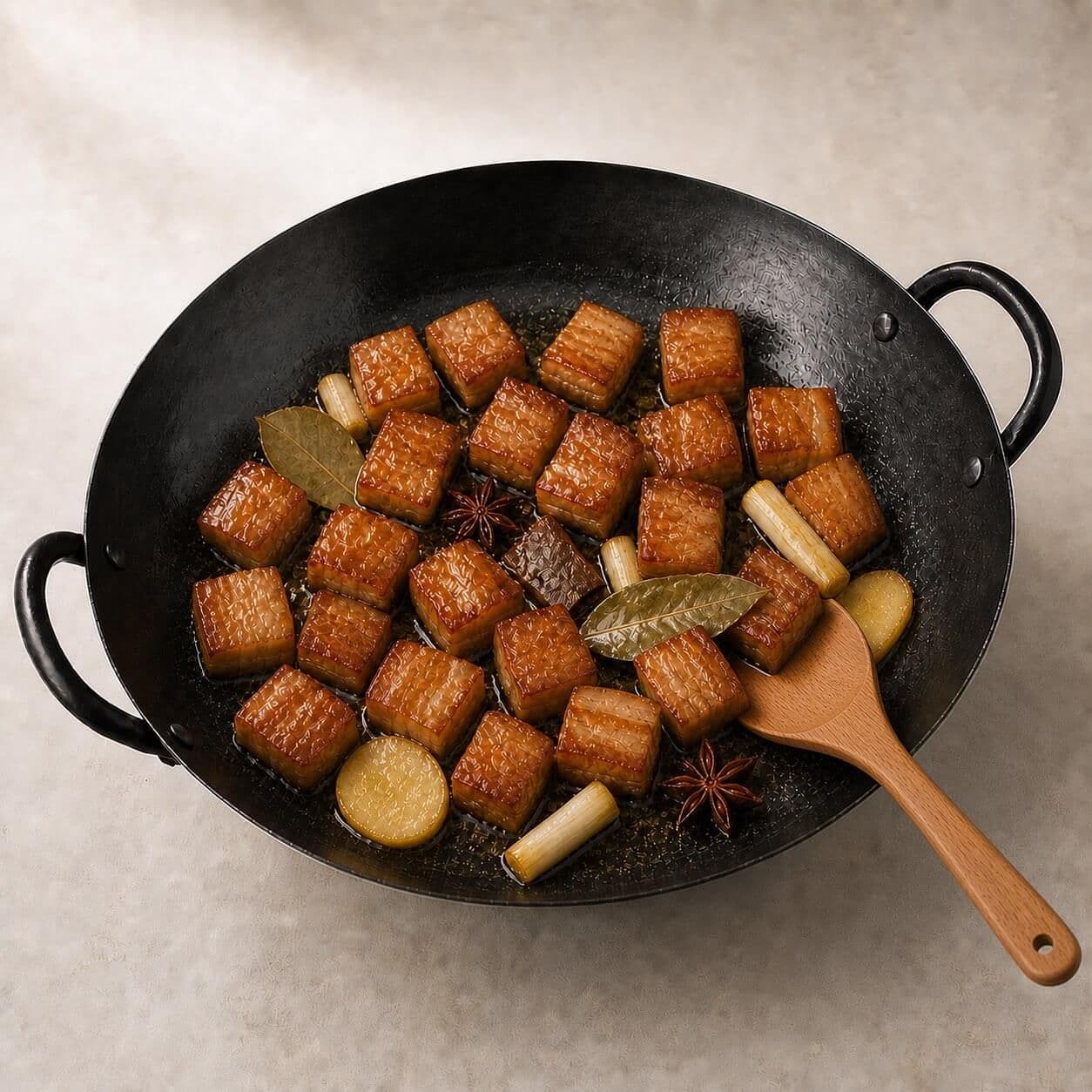
Return the pork and toss to coat in the caramel. Add the remaining 2 ginger slices, scallion whites, 2 star anise, 2 bay leaves, and 1 small piece of cassia bark. Fry until aromatic, then add 30 ml light soy, 15 ml dark soy, and the remaining 15 ml cooking wine; toss evenly.
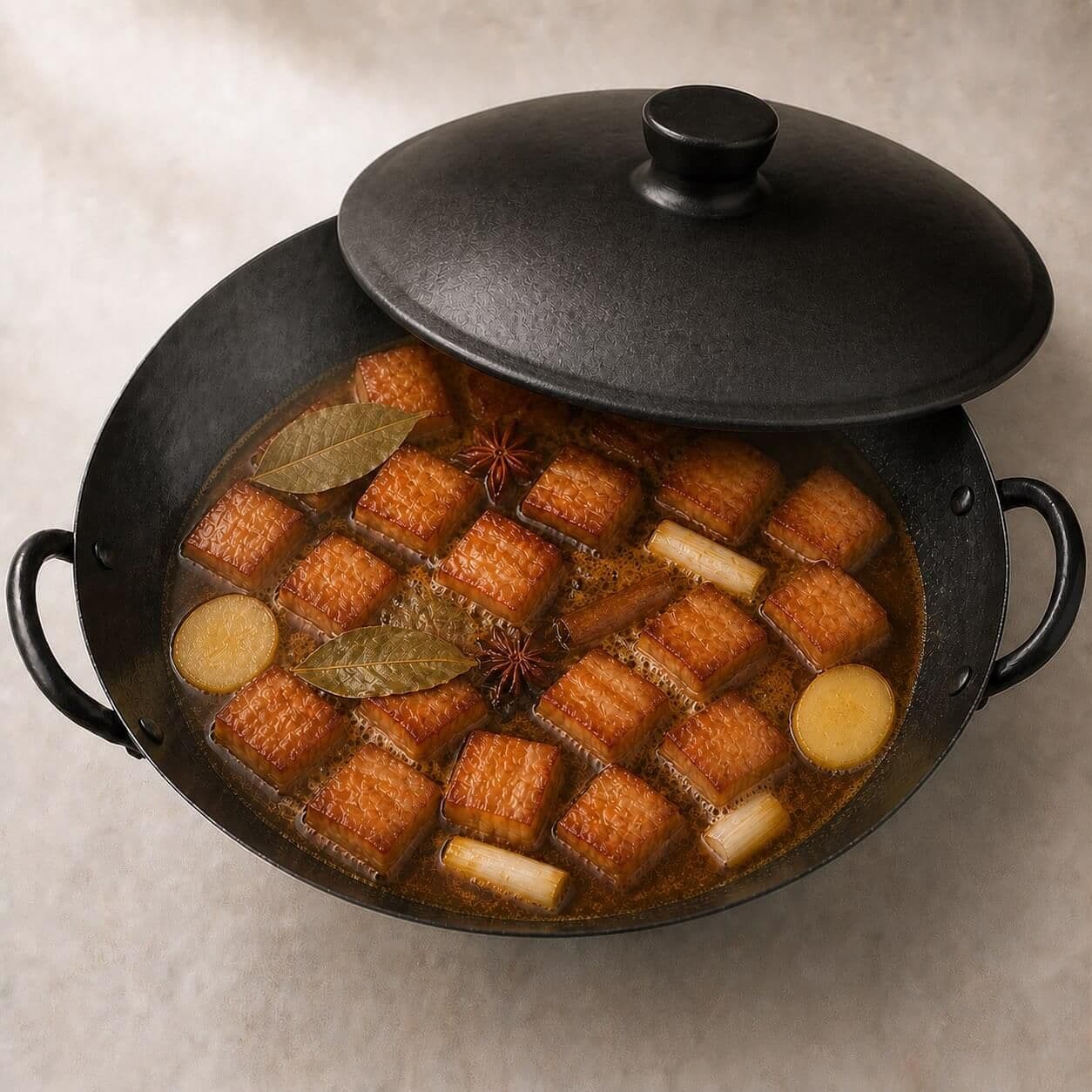
Add enough hot water to just cover the pork. Bring to a boil, reduce to a gentle simmer, cover, and braise for about 50 minutes, turning occasionally. A chopstick should enter with little resistance while the cubes remain intact; continue braising until this stage is reached. Top up with a little hot water when the liquid runs low to prevent drying out.
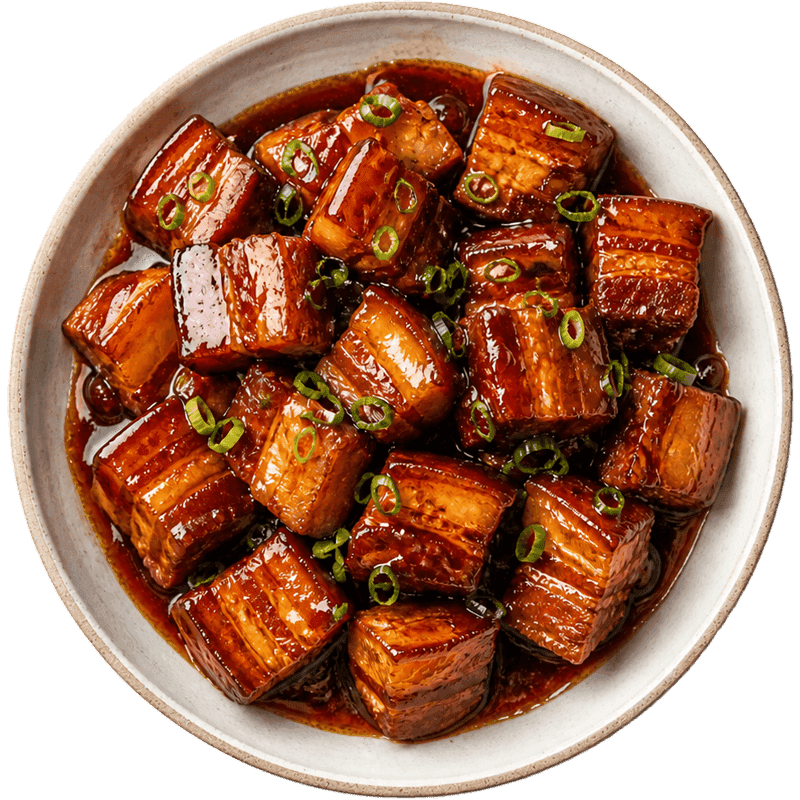
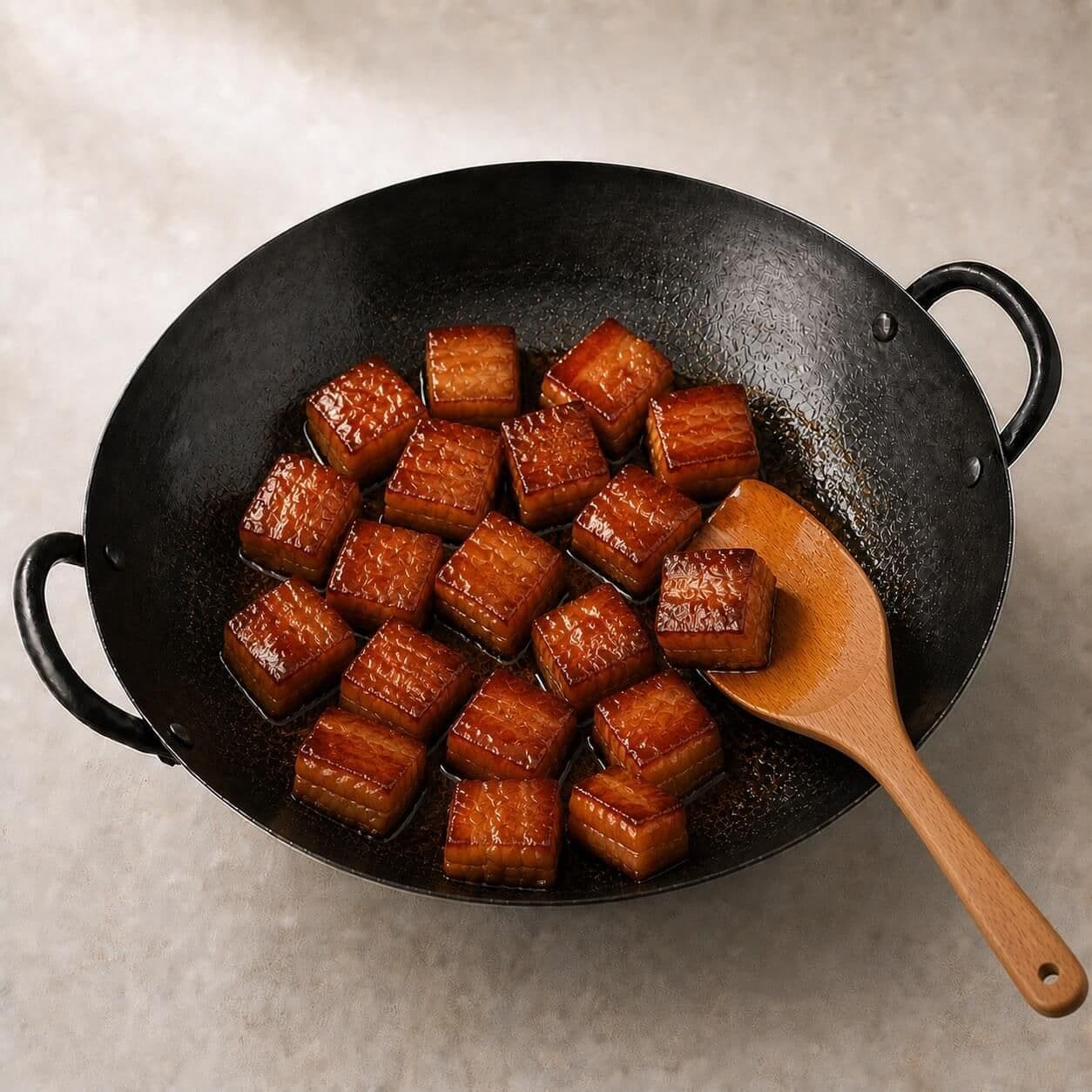
Uncover and remove the star anise, bay leaves, and cassia bark. Increase the heat and turn the pork gently until the sauce is glossy and coats the cubes, leaving a little in the bottom of the wok. Lower the heat as it thickens to avoid scorching. Transfer to a serving bowl and garnish with the sliced scallion greens.
Main Ingredients
Pork Belly
500 g
Skin-on; cut into roughly 3 cm cubes
Seasonings
Ginger
4 slices
Sliced; divided
Chinese Scallion
2 stalks
Whites cut into segments; greens finely sliced
Star Anise
2 pieces
Whole
Dried Bay Leaf
2 leaves
Chinese Cassia Bark
1 piece
Small piece
Optional
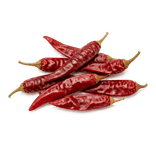
Dried red chili
2 pieces
Stem and leave whole. Add with the ginger, scallion and other spices in Step 4, then braise as directed. Remove with the whole spices before the final reduction and serving in Step 6.
Light soy sauce
30 ml
Dark soy sauce
15 ml
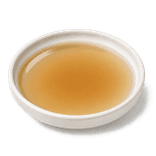
Chinese Cooking Wine
30 ml
Divided
Optional
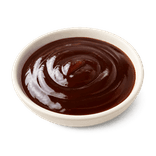
Oyster sauce
15 ml
Add up to 15 ml with the soy sauces in Step 4 for savoriness and body. Reduce the light soy to avoid oversalting; taste and adjust before reducing the sauce.
Rock Sugar
20 g
Granulated sugar can replace rock sugar for the caramel; an exact substitution amount has not been confirmed for this recipe. Watch for an amber colour rather than following the rock-sugar timing.