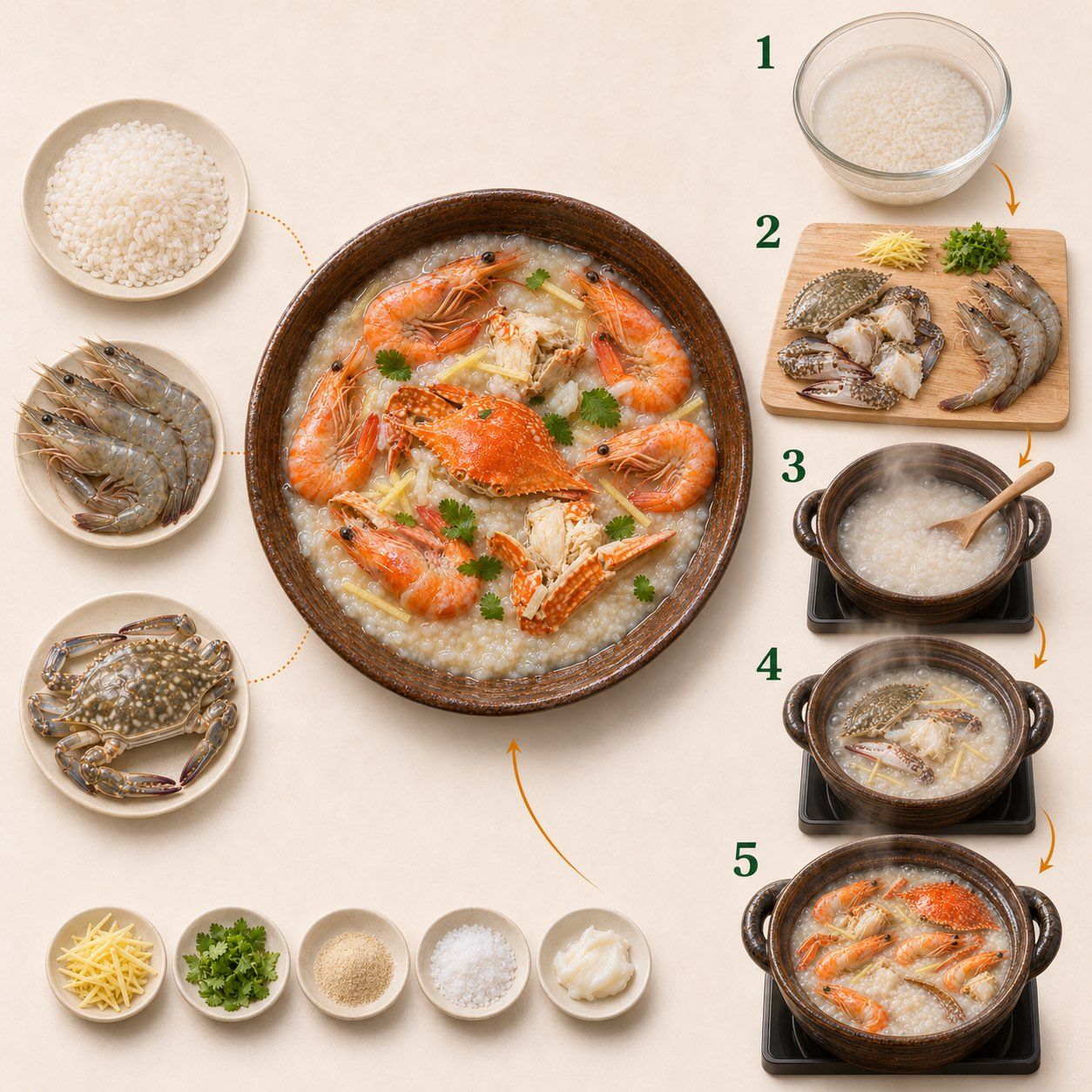
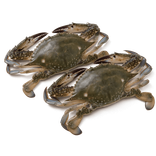
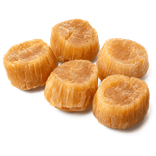
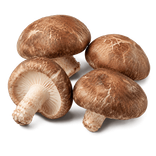
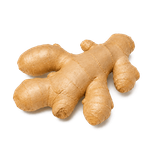
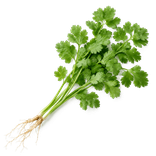
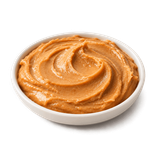
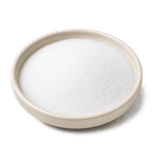
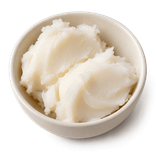
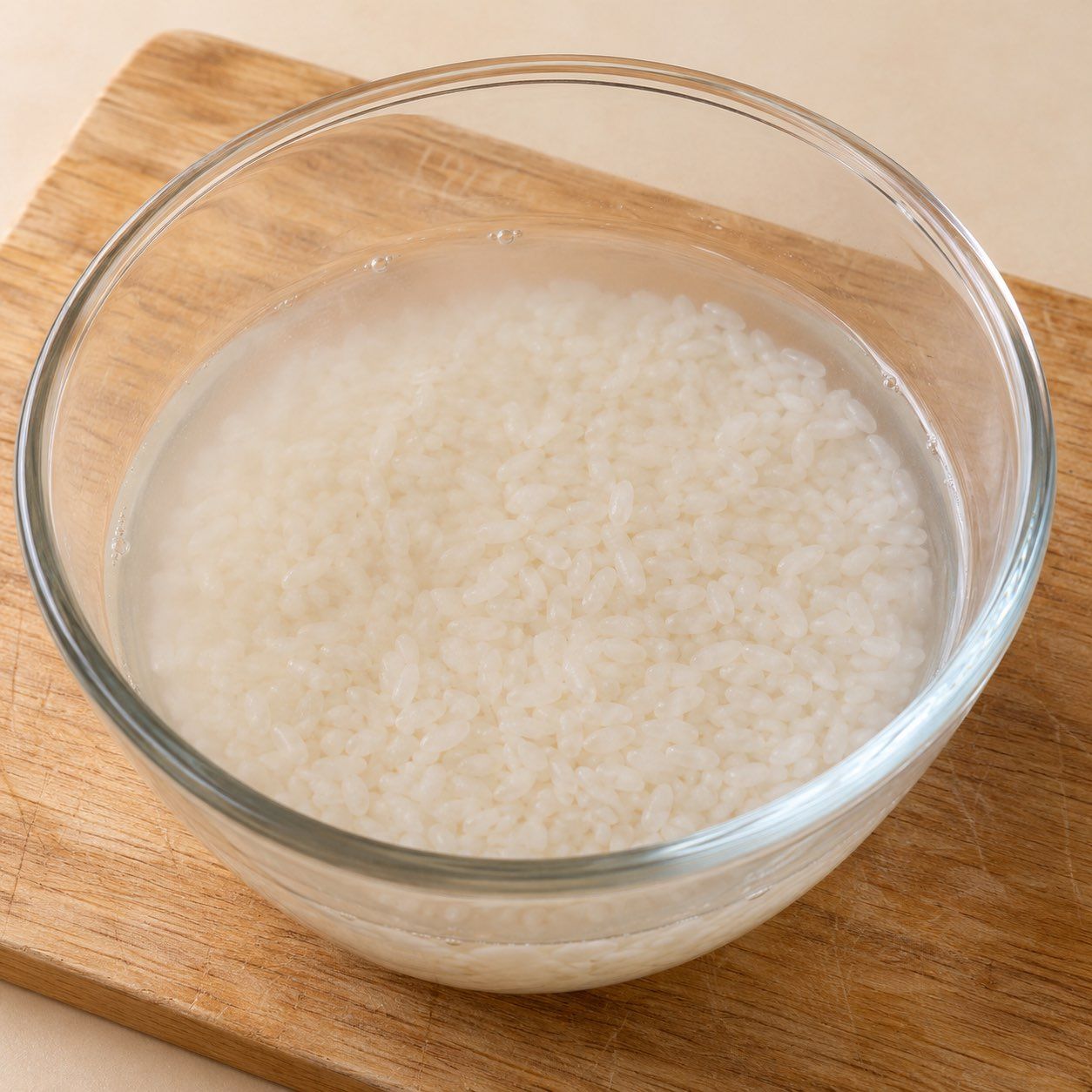
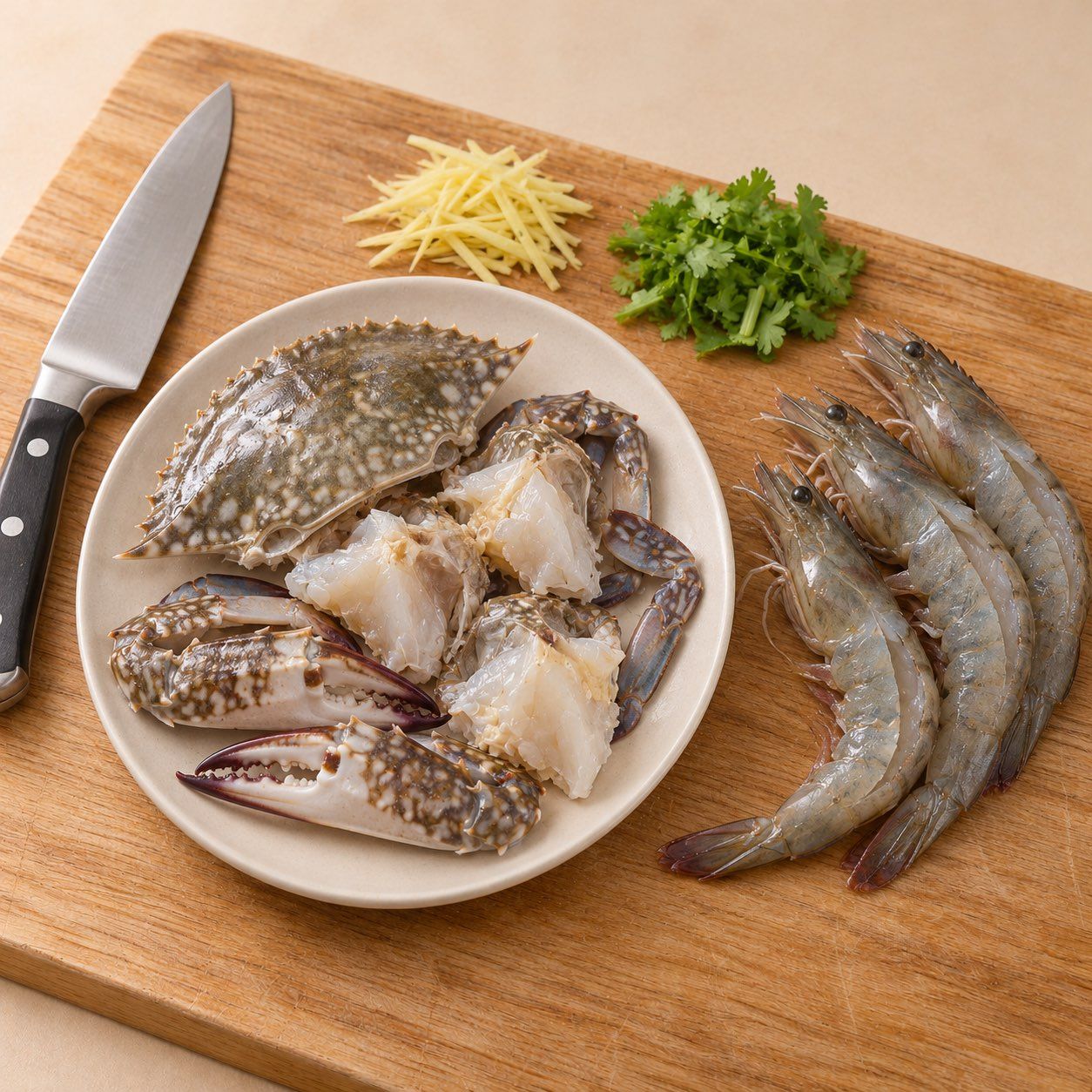
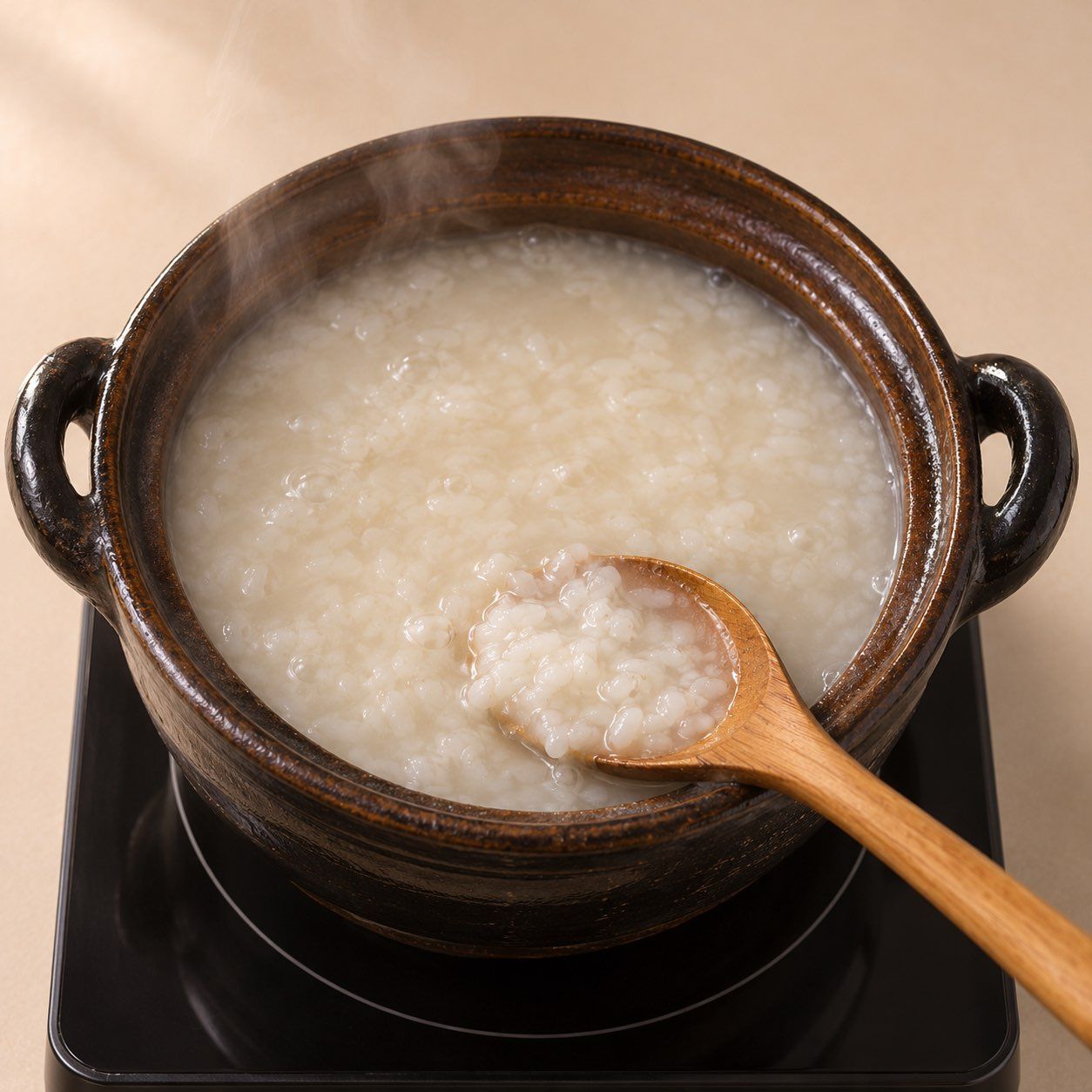
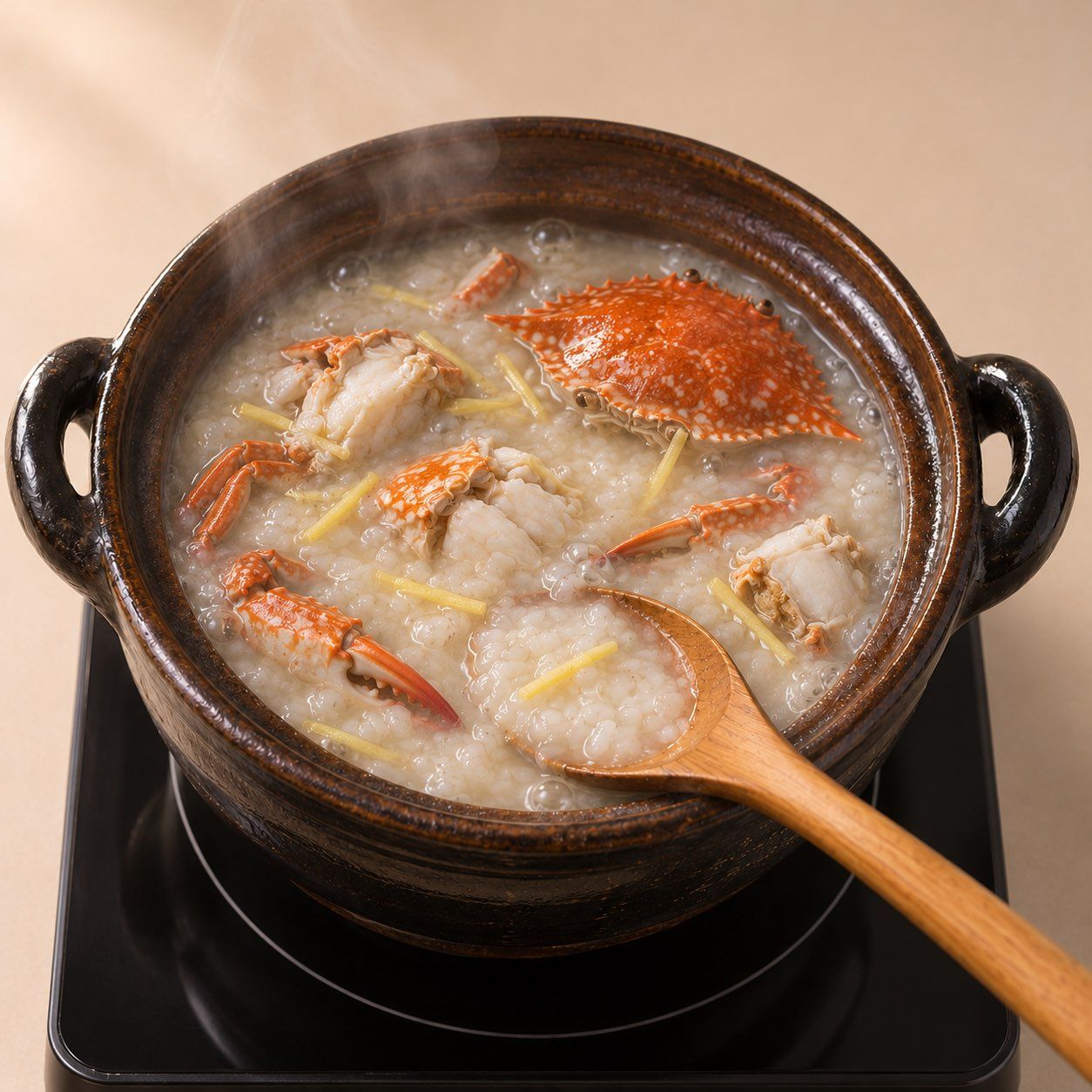
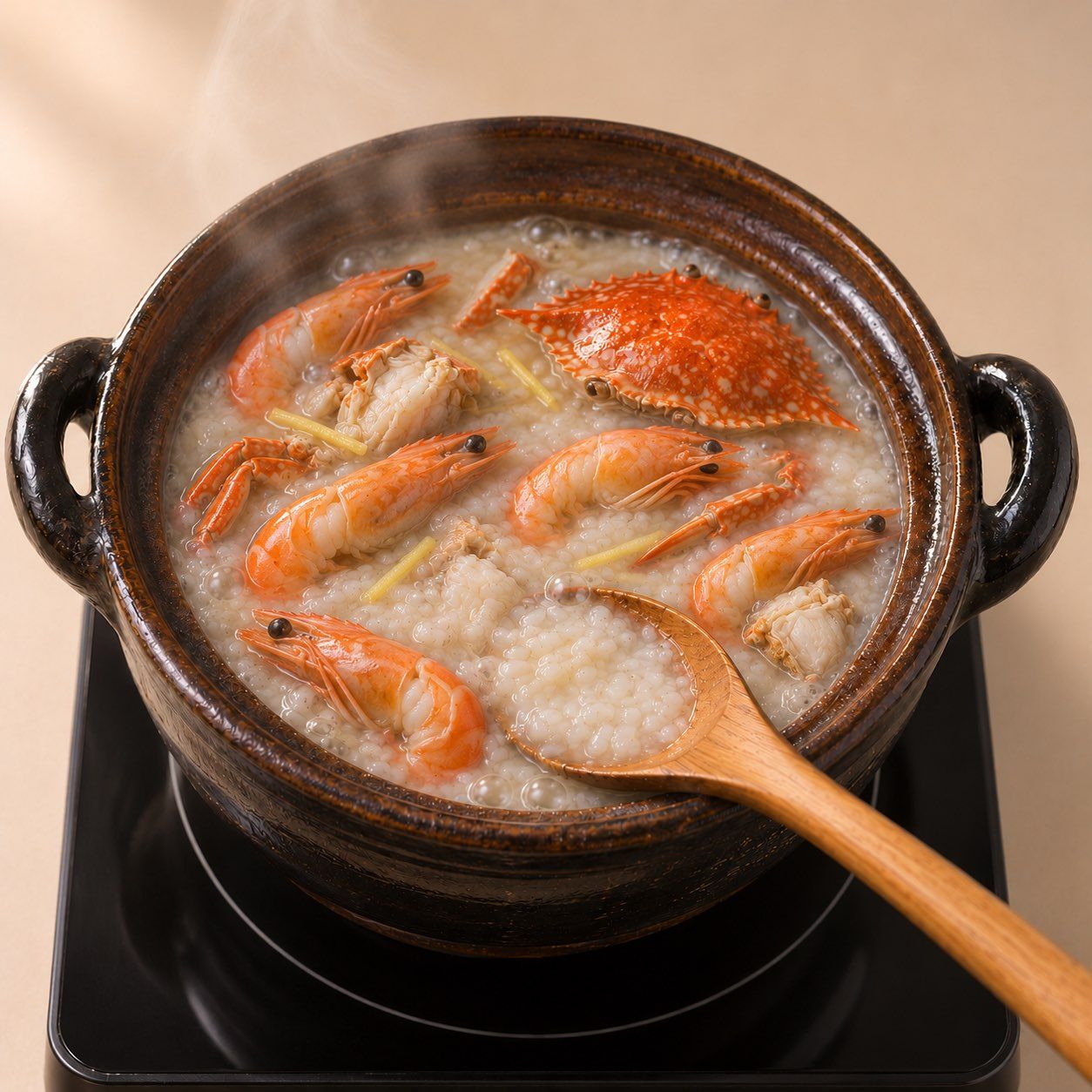
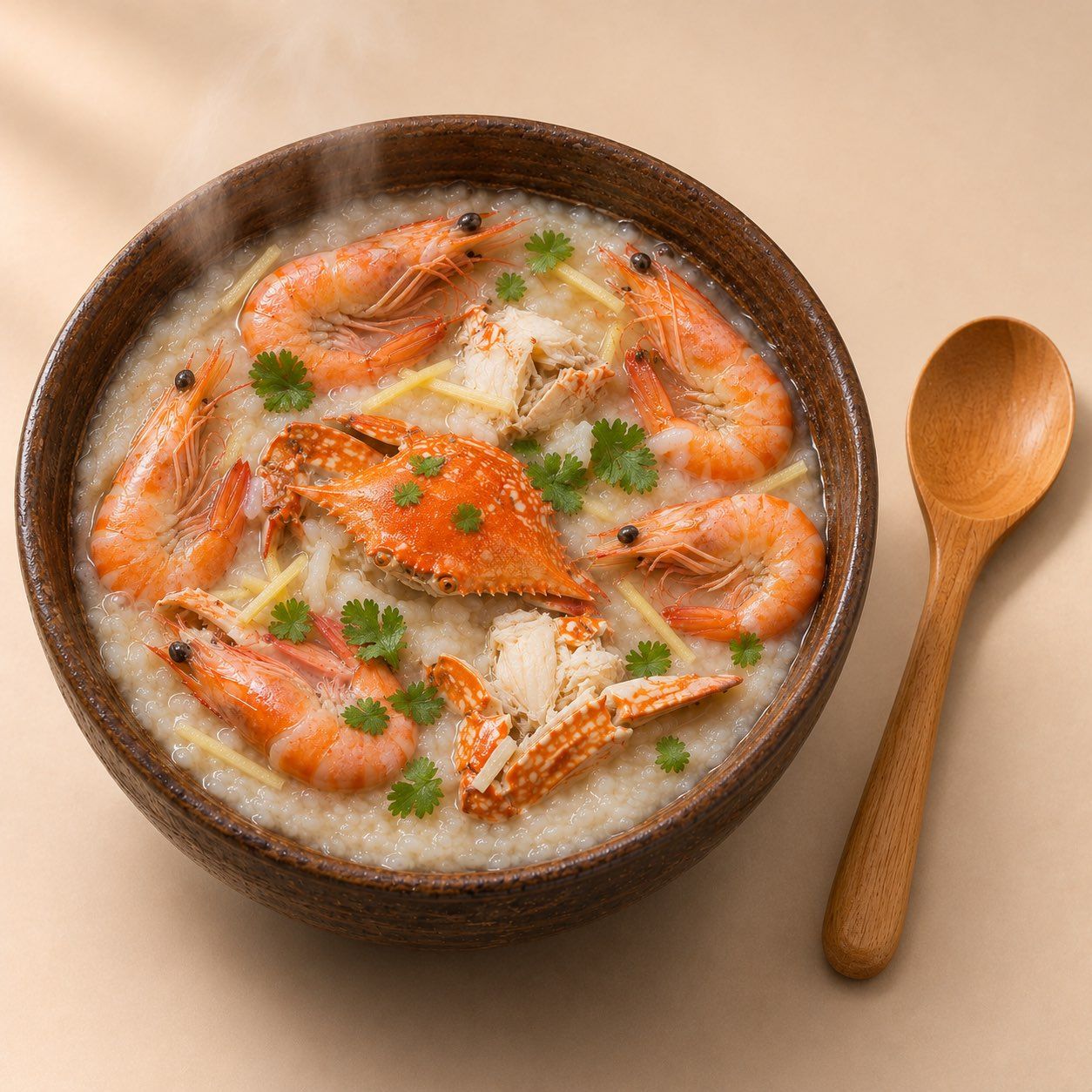
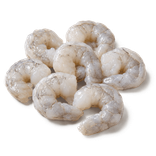
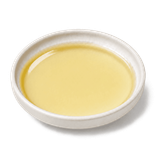
A quick visual overview of the key ingredients and cooking flow.
Rinse the 150 g rice, cover with extra water and soak for 30 minutes, then drain. Prepare the seafood and aromatics while it soaks.
Scrub and clean the 400 g whole crab, removing the gills, stomach, intestine and apron. Cut into 4–6 pieces, crack the claws and keep the cleaned carapace. Trim the 200 g prawns, keep heads and shells on, slit the backs and remove the veins. Rinse and drain. Julienne the 10 g ginger and chop the 8 g cilantro. Clean the board, tools and hands after handling raw seafood.
Put the drained rice and 1650 ml water in a heavy-based pot. Bring to the boil, then simmer over medium-low heat with the lid ajar for about 25–35 minutes. Stir along the bottom regularly until the grains split and the congee thickens but still flows. Thin with a little extra hot water if needed.
Add all the crab pieces and the cleaned carapace, the 10 g ginger and 15 g lard. Return to a simmer and cook gently for about 4–5 minutes, turning carefully, until the lard melts and the shells turn orange-red.
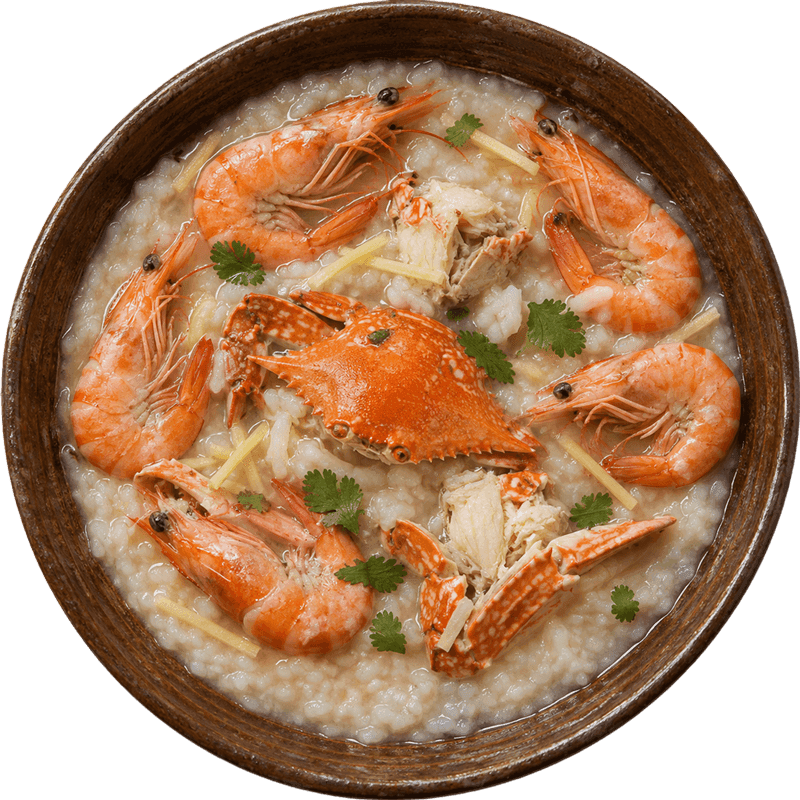
Add all the prepared 200 g head-on prawns. Return to a simmer and cook for about 3–4 minutes, stirring gently along the bottom. The shells should turn orange-red, the prawn flesh should be fully opaque, and the crab meat should be white and cooked through. Check the thickest pieces and cook a little longer if still raw.
Stir in the 0.5 g ground white pepper and add salt gradually to taste. Turn off the heat, fold in all 8 g chopped cilantro and serve hot in a textured dark-brown round bowl.
Main Ingredients
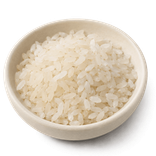
White Rice
150 g
Uncooked short- or medium-grain white rice
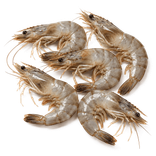
Whole Raw Prawns
200 g
Weighed head-on and shell-on; trimmed and deveined
Replace with the same measured edible weight after peeling the original prawns. Add in Step 5 and cook until opaque. The flavour is less head-rich, but the congee is easier to eat.
Raw Peeled Shrimp
Swimming Crab
400 g
Whole purchase weight; cleaned, cut and claws cracked
Optional
Dried Scallop
10 g
Soak in the fridge as directed until soft, then shred. Add with the rice in Step 3. Allow extra soaking time, discard the soaking water, and taste before salting.
Optional
Fresh Shiitake Mushrooms
3 pieces
Remove tough stems and slice thinly. Add with the rice in Step 3 and simmer until tender for a mushroom flavour.
Seasonings
Ginger
10 g
Finely julienned
Cilantro
8 g
Washed and chopped
Ground White Pepper
½ g
Optional
Fish Sauce
5 ml
Add before the salt in Step 6. Taste, then reduce or omit salt to add savoury depth without oversalting.
Optional
Peanut Butter
8 g
Use smooth unsweetened peanut butter. Before adding crab in Step 4, loosen it with a little hot congee and stir it back into the pot for a light nutty flavour.
Salt
—
Add gradually to taste, allowing for the seafood's salinity
Lard
15 g
Replace the 15 g lard with 15 g neutral cooking oil in Step 4. The congee stays smooth but loses the lard's aroma.
Cooking oil
Water
1650 ml
For cooking; extra for rinsing, soaking and thinning as needed