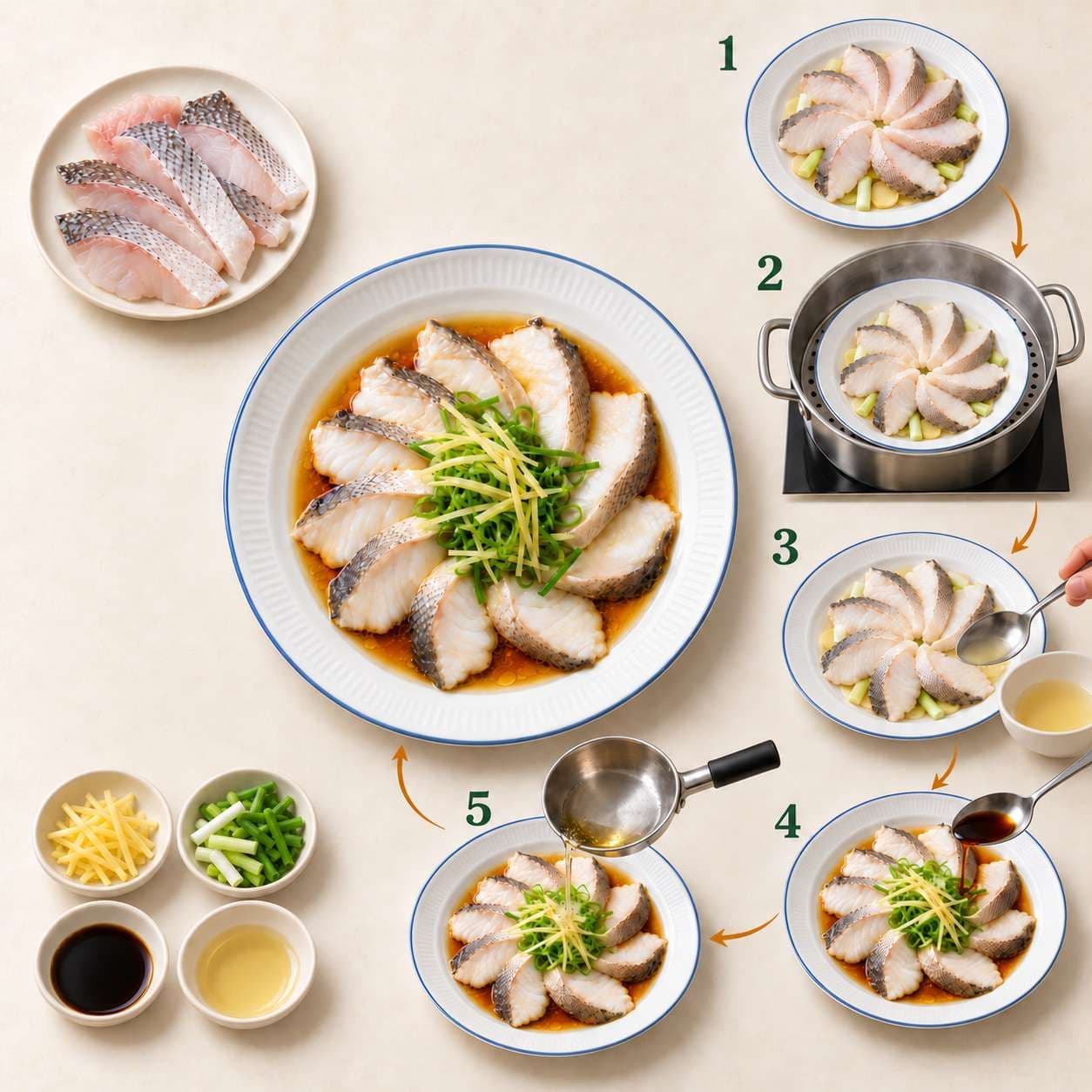
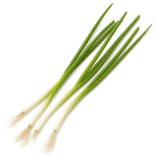
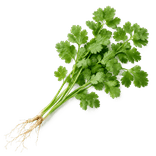
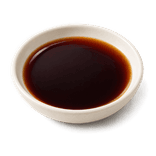
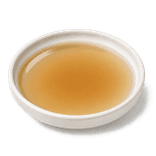
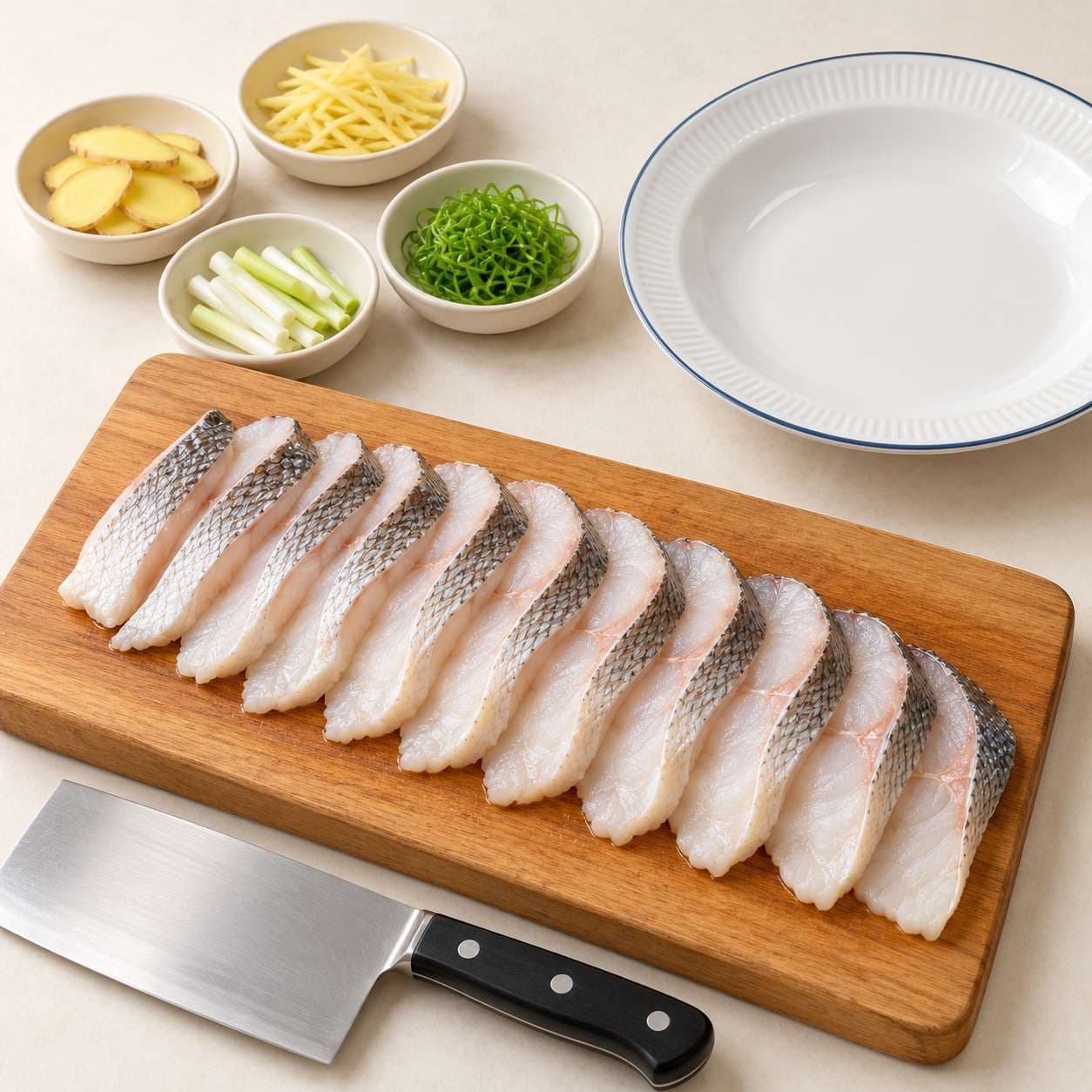
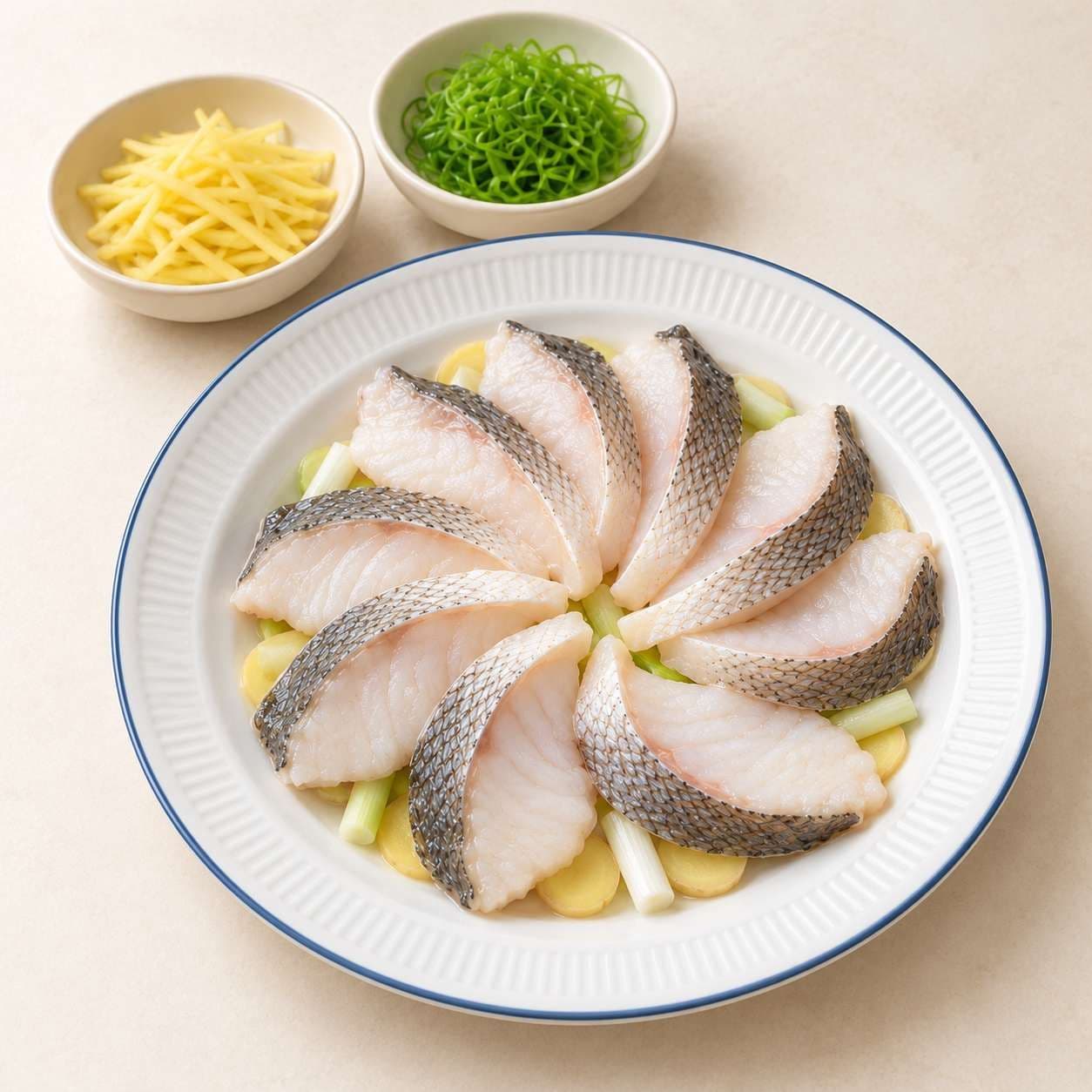
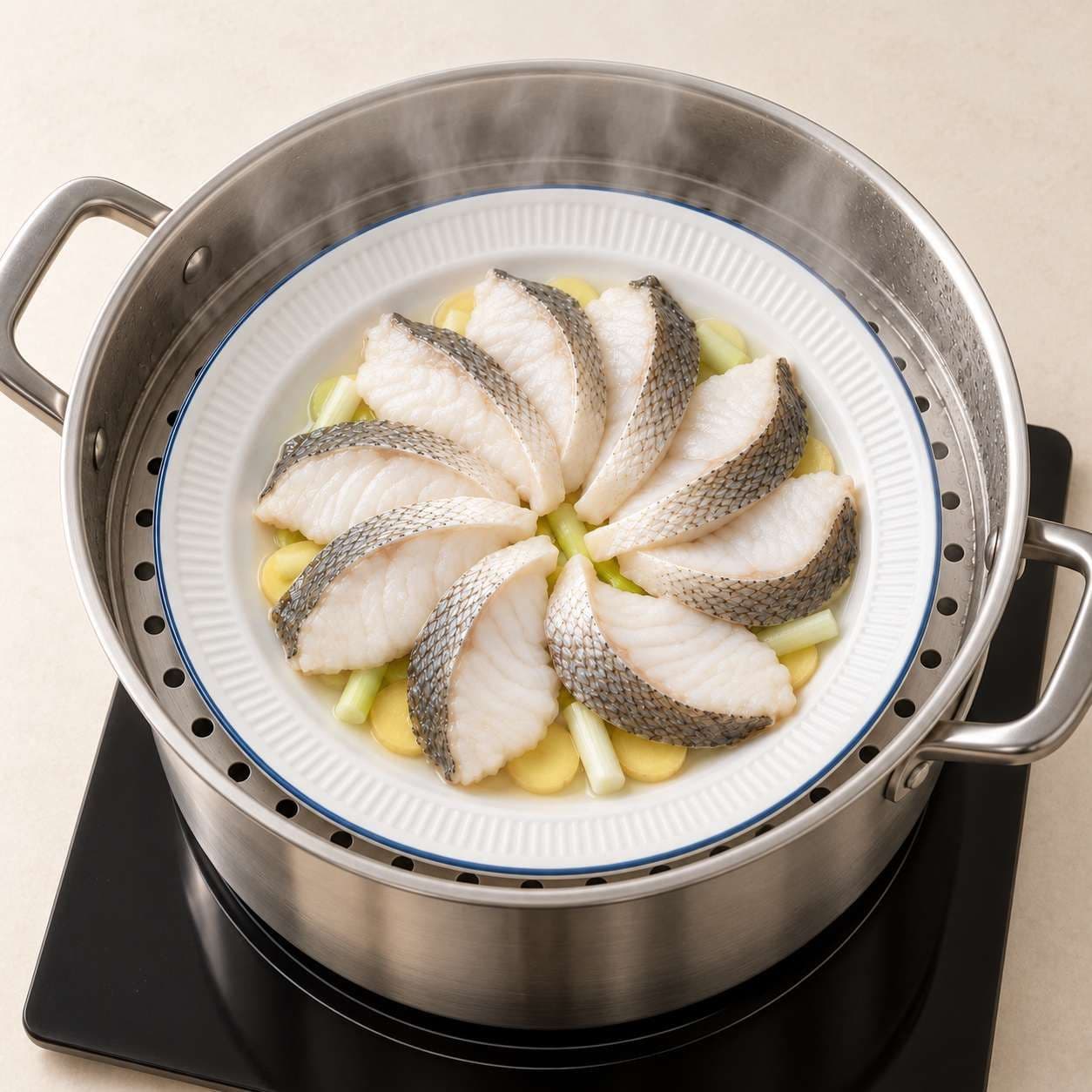
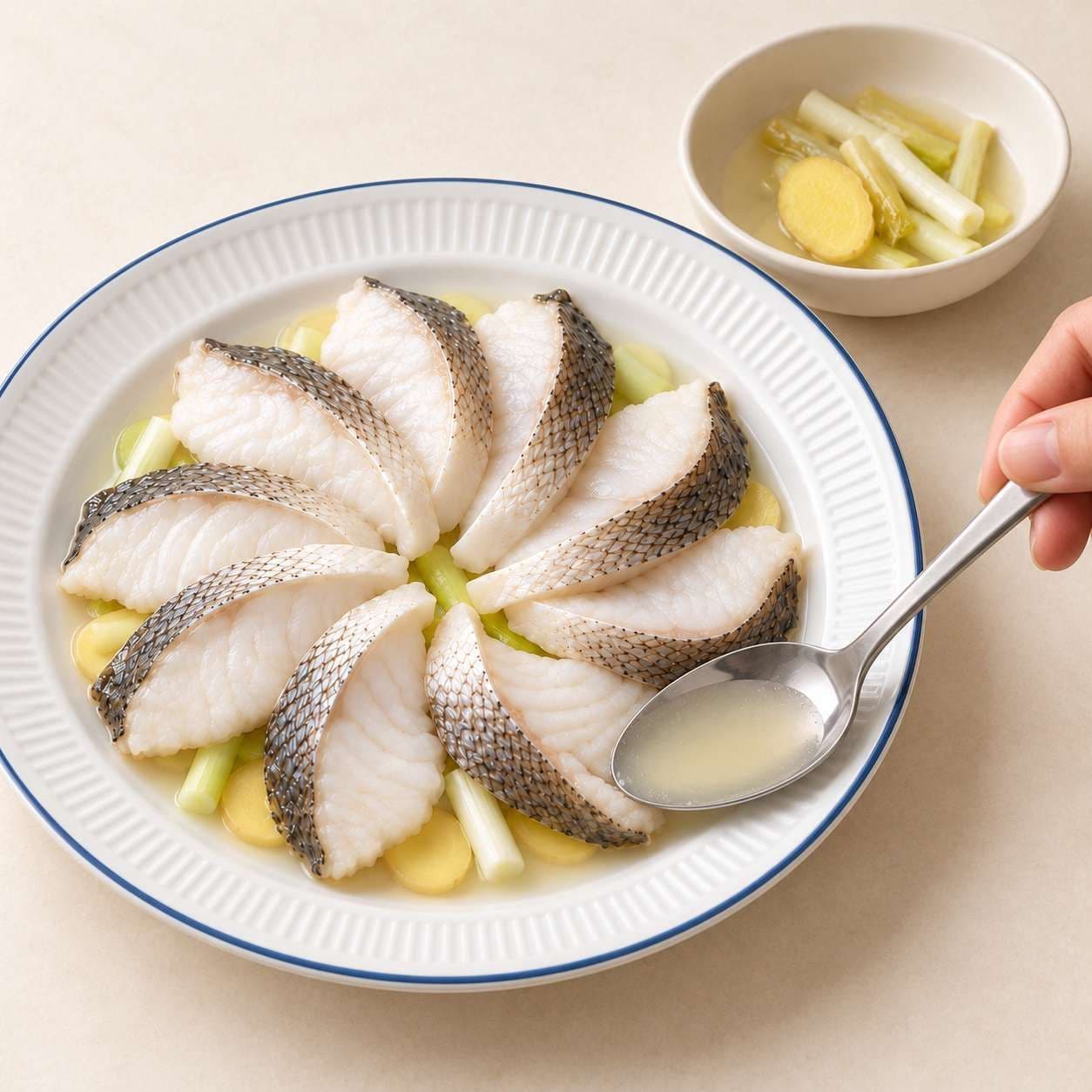
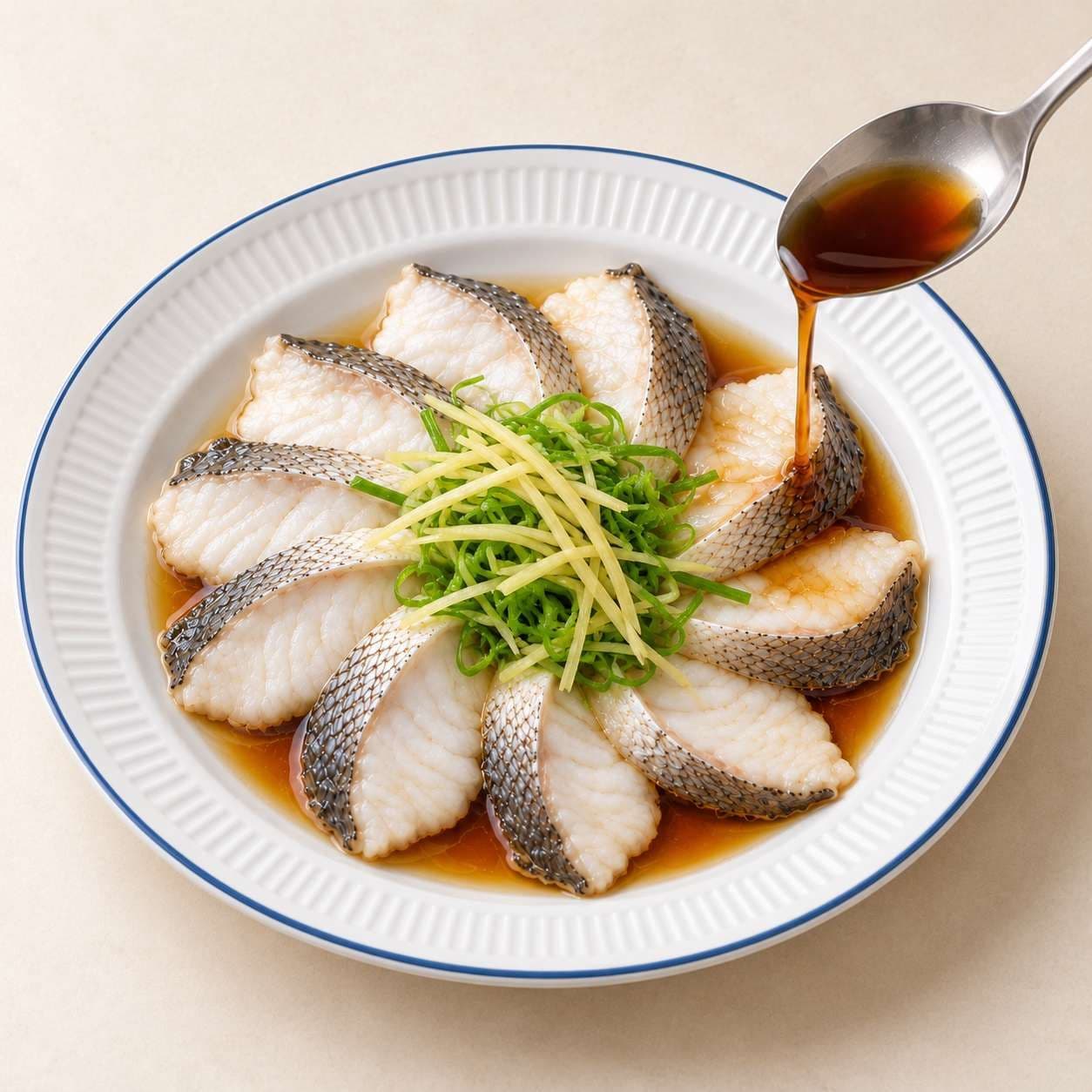
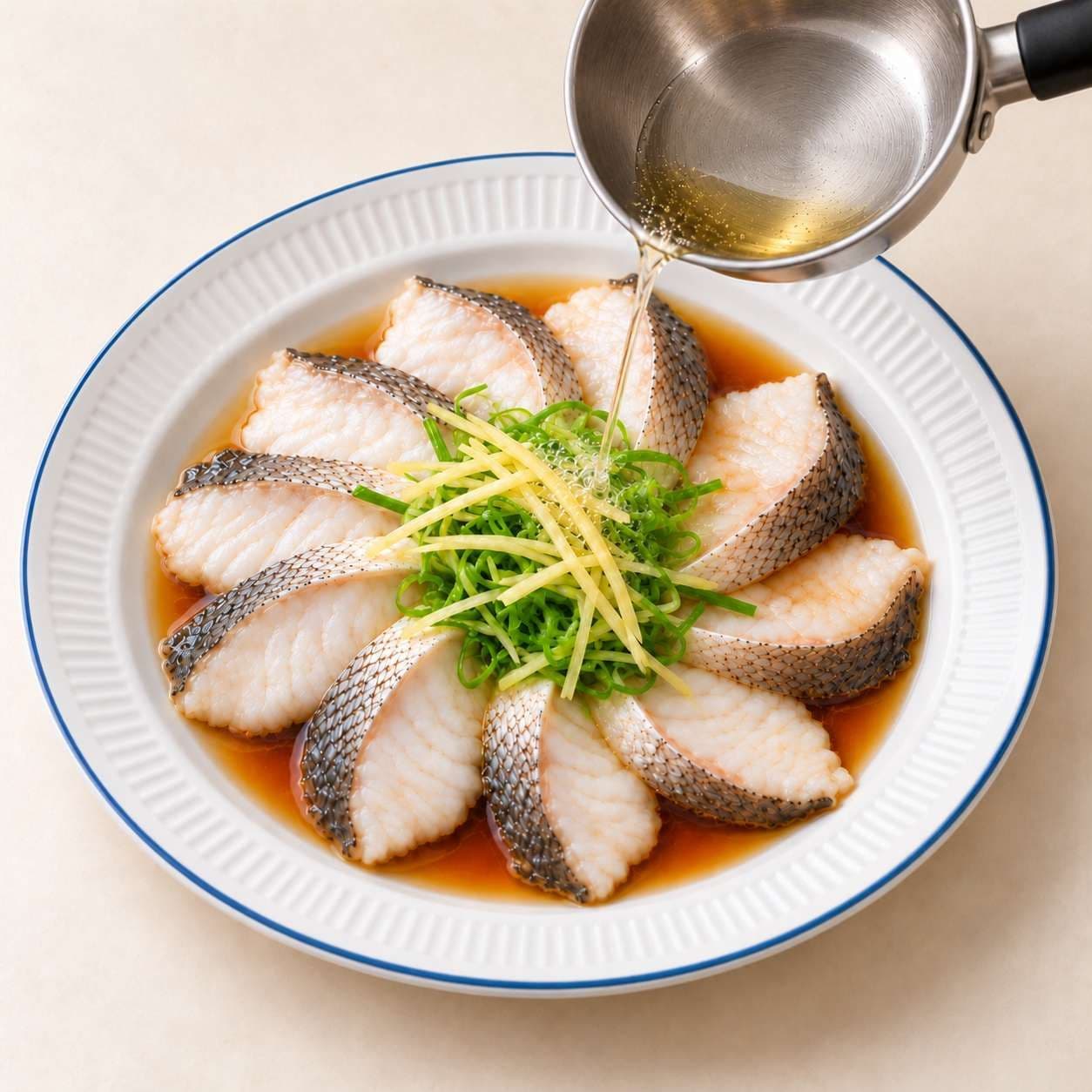
A quick visual overview of the key ingredients and cooking flow.
Check 350 g boneless skin-on sea bass for pin bones, pat dry and slice diagonally about 1 cm thick. Slice 5 g of the 15 g ginger; julienne the remaining 10 g. Cut the white parts of 2 spring onions into short lengths and shred the green parts; keep separate. Prep the aromatics before handling raw fish, then wash hands and tools. Heat water below the steamer rack while preparing the ingredients.
Spread all 5 g sliced ginger and the spring onion whites in a heatproof shallow bowl or deep plate. Arrange all fish slices in one layer with only slight overlap at the edges. Keep the shredded greens, julienned ginger and sauce aside. Use a 15 ml tablespoon.
Set the plate in the steamer once the water boils. Cover and maintain steady steam over medium-high heat for about 4–6 minutes, checking from 4 minutes. The thickest slice must reach 63°C (145°F), with opaque flesh that separates easily. If needed, keep steaming and check about every minute. Remove promptly when cooked, without a fixed resting period in the steamer. Keep water below the plate.
Lift the hot plate out with heatproof tools and set it down level. Spoon off the steaming liquid and remove the spent ginger slices and spring onion whites, supporting the fish gently to keep the slices intact. Use clean utensils reserved for cooked food.
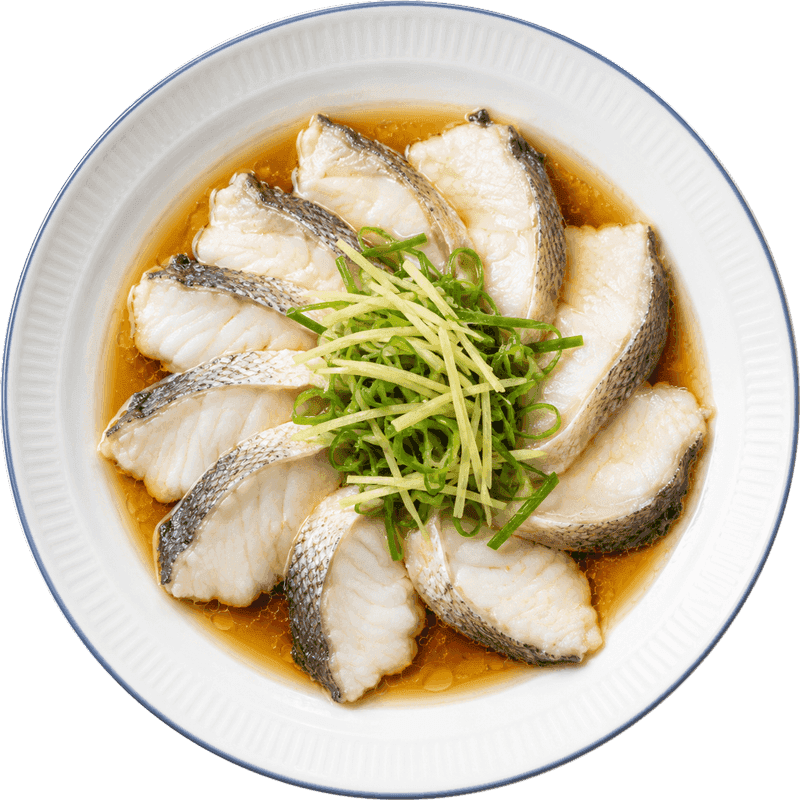
Lay all 10 g julienned ginger and all the shredded spring onion greens from Step 1 over the center of the fish. Drizzle 1½ tbsp seasoned soy sauce around and over the slices without turning them.
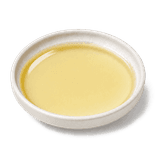
Heat all 1 tbsp oil in a small pan over medium-high heat until fluid and shimmering but not smoking. Turn off the heat and slowly pour it over the ginger and spring onion. The aromatics should sizzle gently and release their fragrance. Serve immediately; if the oil smokes, take it off the heat and let it cool slightly before pouring.
Main Ingredients
Sea Bass
350 g
Boneless skin-on net weight; sliced diagonally about 1 cm thick
Seasonings
Ginger
15 g
Cleaned; divided
Spring Onion
2 stalks
Trimmed; divided
Optional
Cilantro
—
Chop a little and scatter over the fish after the hot oil in Step 6.
Seasoned Soy Sauce for Seafood
1½ tbsp
In Step 5, start with 1 tbsp light soy sauce in place of all the seasoned soy sauce. Taste a small amount before adjusting; brands differ in salt and sweetness.
Light soy sauce
Optional
Chinese Cooking Wine
1 tbsp
Toss with the fish before arranging in Step 2, then drain excess liquid. No extra marinating time is needed; use the Step 3 doneness check.