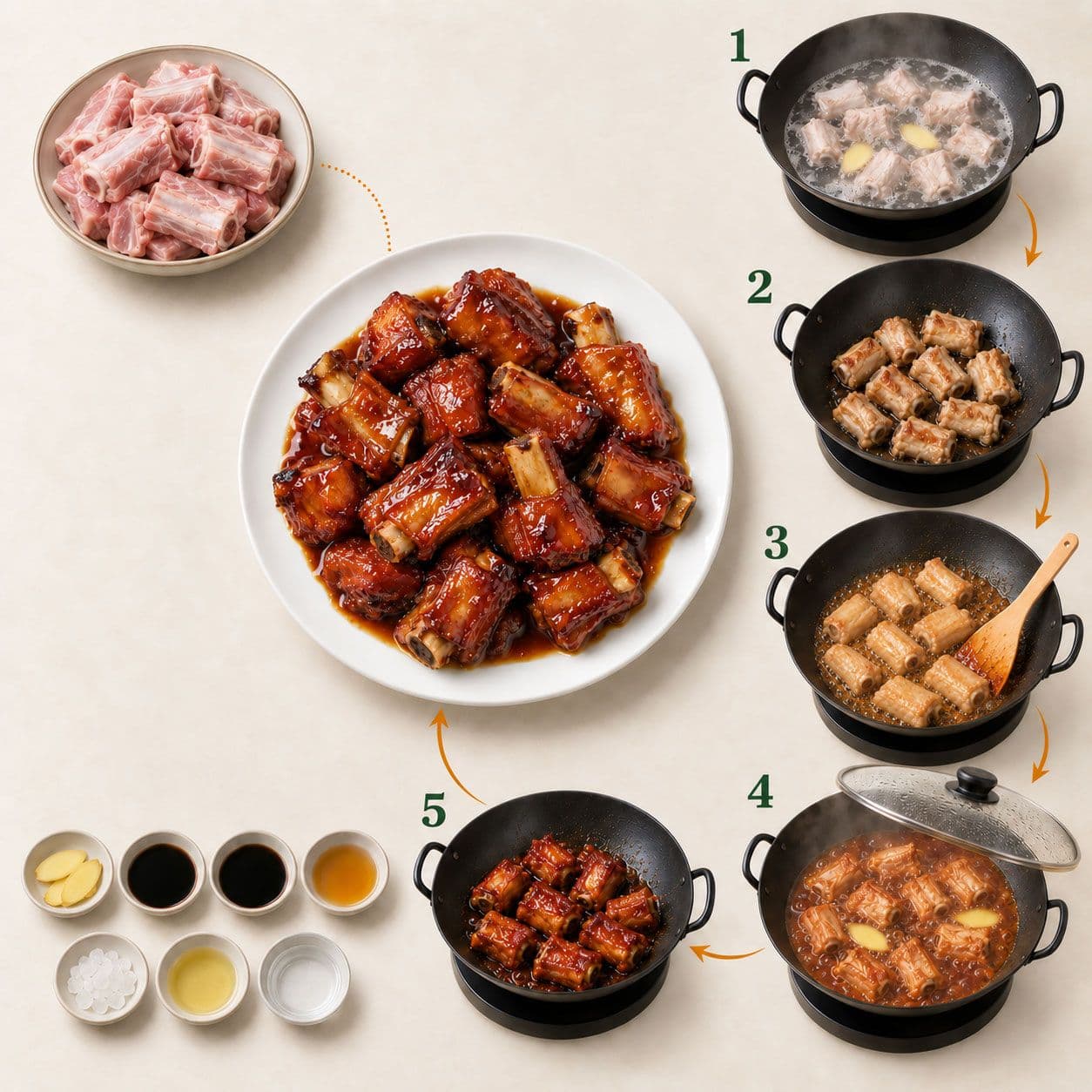
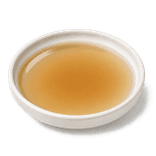
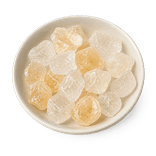
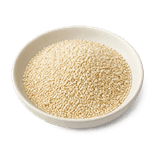
A quick visual overview of the key ingredients and cooking flow.
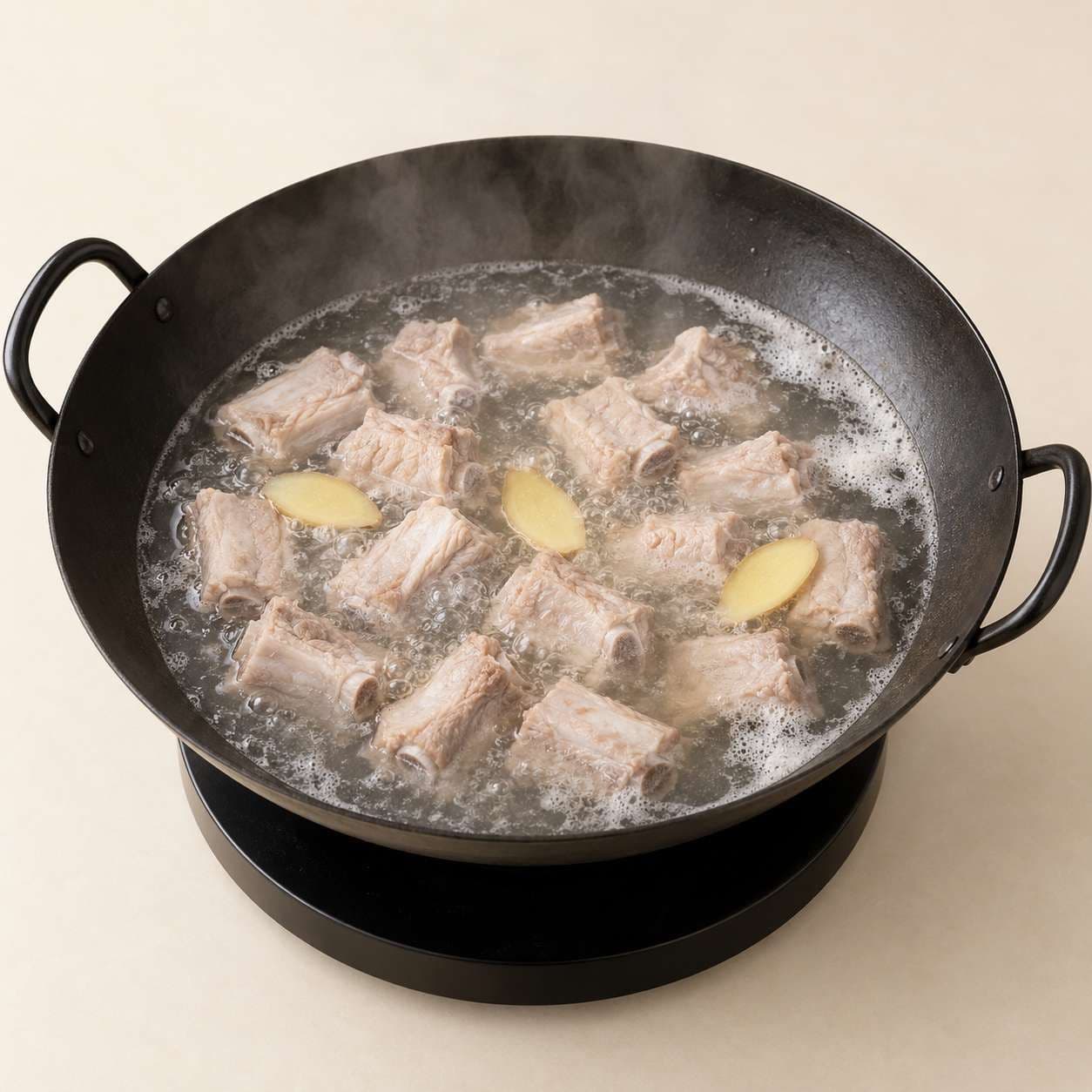
Put the ribs, 3 ginger slices and 1 tbsp cooking wine in the wok and cover with cold water. Bring to a boil, skim and simmer for about 3 minutes. Lift out, rinse off clinging foam with warm water, then drain and pat dry. Discard the blanching water and ginger.
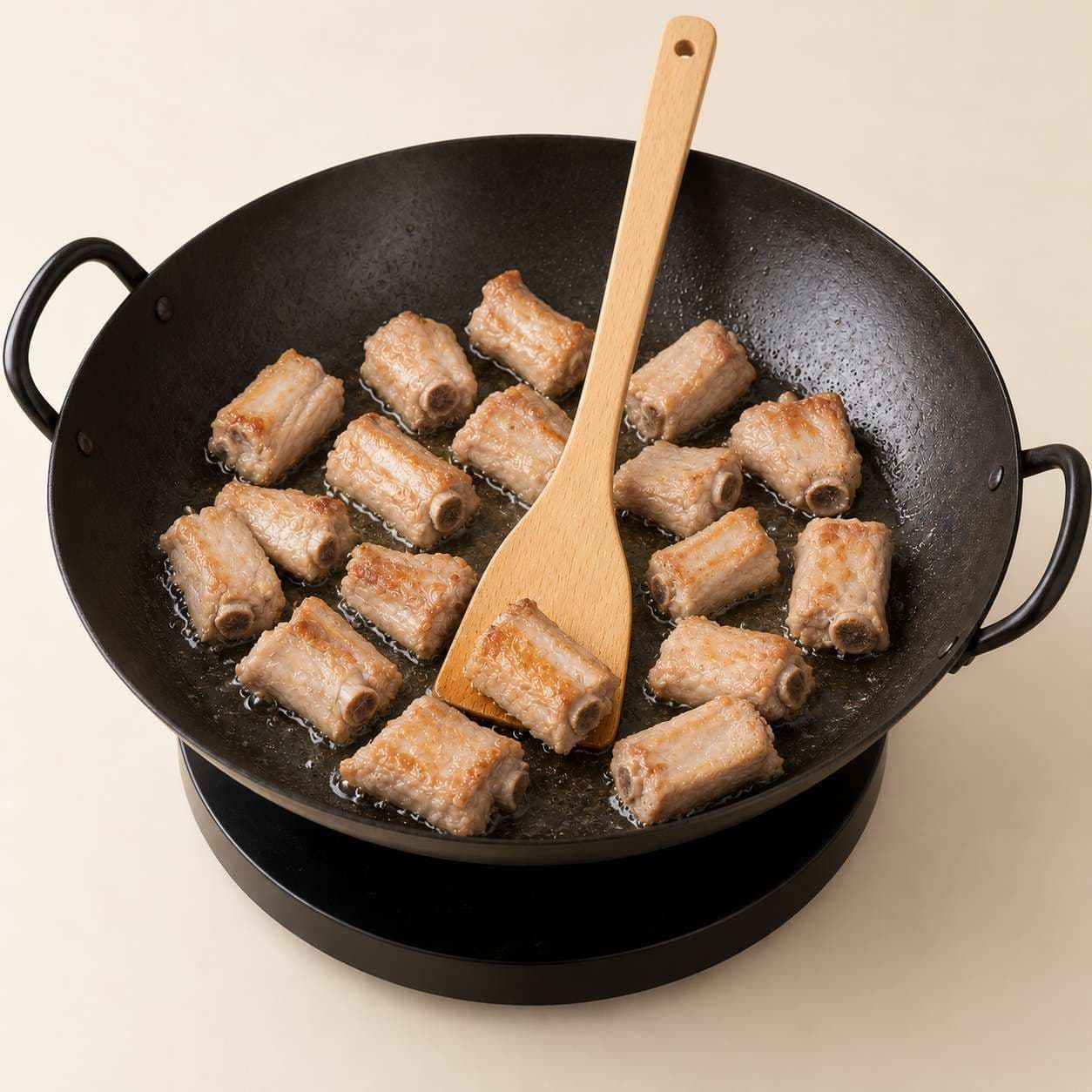
Dry the wok and lightly coat it with oil. Sear the ribs in a single layer over medium-low heat until lightly golden on both sides, then remove, leaving a thin film of oil. Work in batches if crowded; avoid a dark, hard crust.
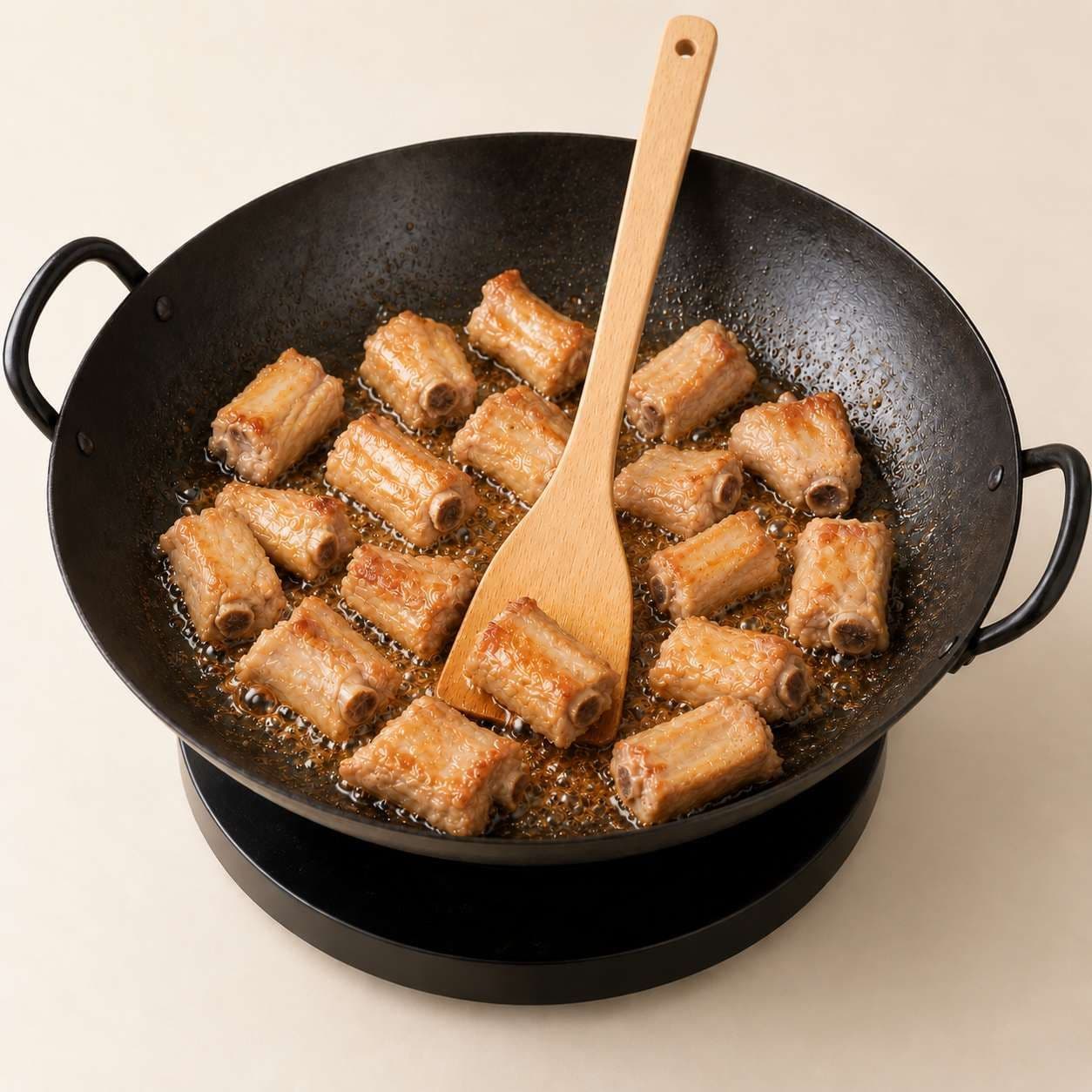
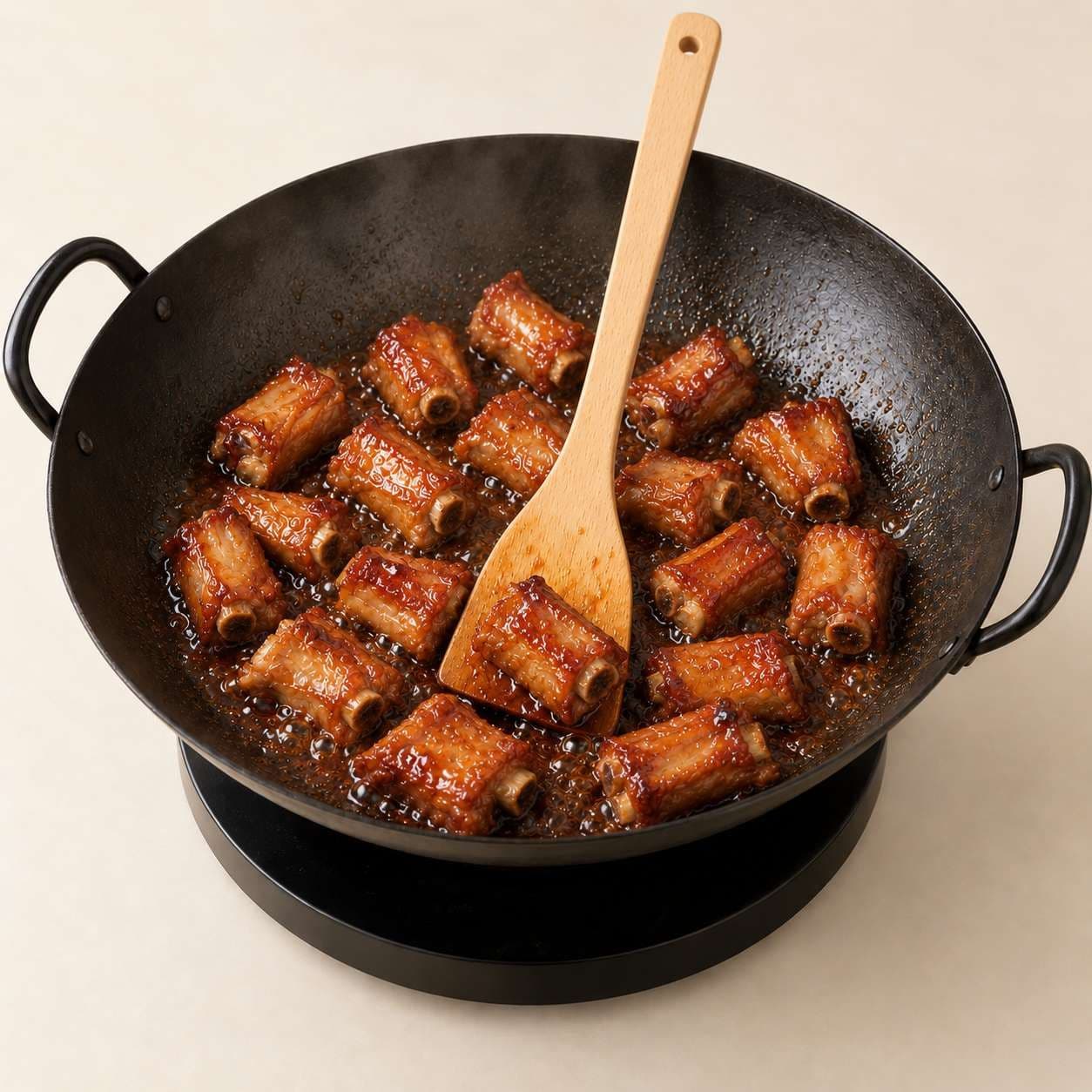
Lower the heat and add 30 g rock sugar. Gently stir until melted, light amber and finely bubbling; immediately return the ribs and coat evenly. If the sugar blackens or smokes, take the wok off the heat, discard the burnt caramel, clean the wok and remake it.
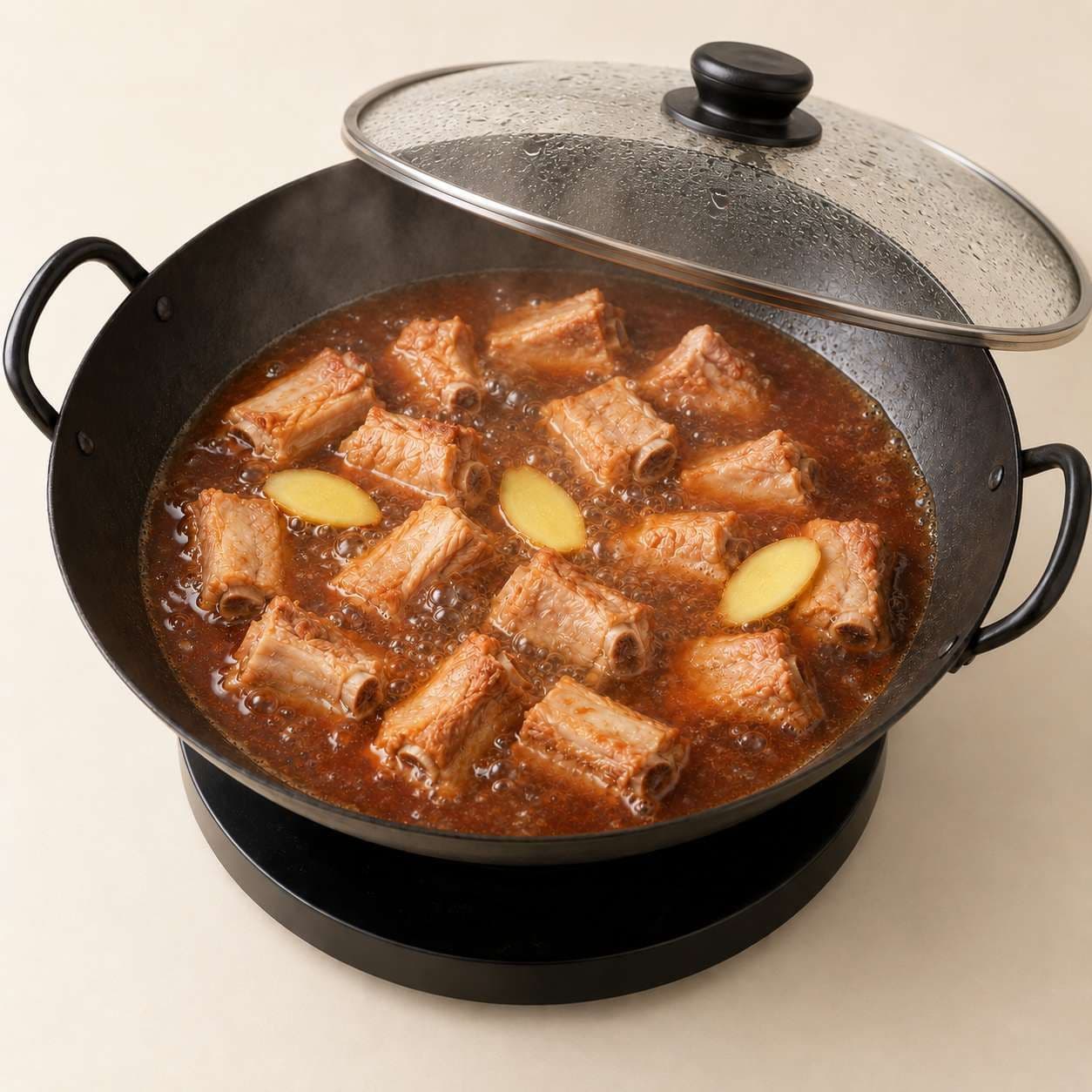
Add 2 tbsp light soy, 2 tbsp black vinegar, the remaining 1 tbsp cooking wine and 3 ginger slices. Carefully add hot water down the side until the ribs are just covered. Bring to a boil, cover and simmer gently; start checking after about 30 minutes. Proceed when a chopstick enters the thickest meat easily and the pieces remain intact. Continue braising if firm, adding hot water when needed.
Uncover, remove the ginger and increase the heat, turning the ribs as the liquid reduces. Lower the heat as it thickens, add the remaining 1 tbsp black vinegar and turn until the glossy sauce clings to the ribs with a little fluid sauce still in the wok. Turn off the heat before it becomes dry and sticky.
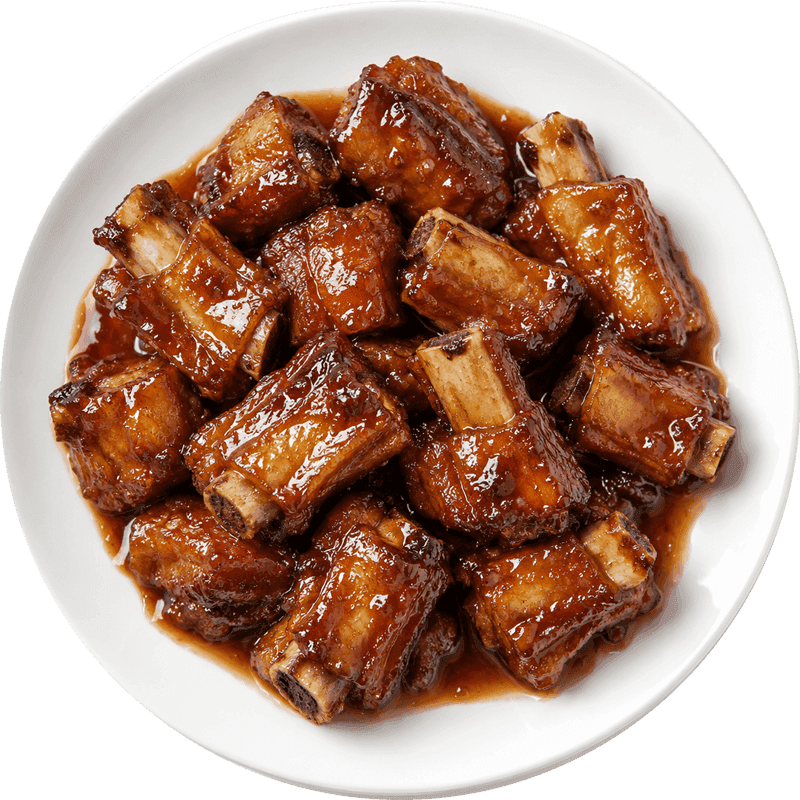
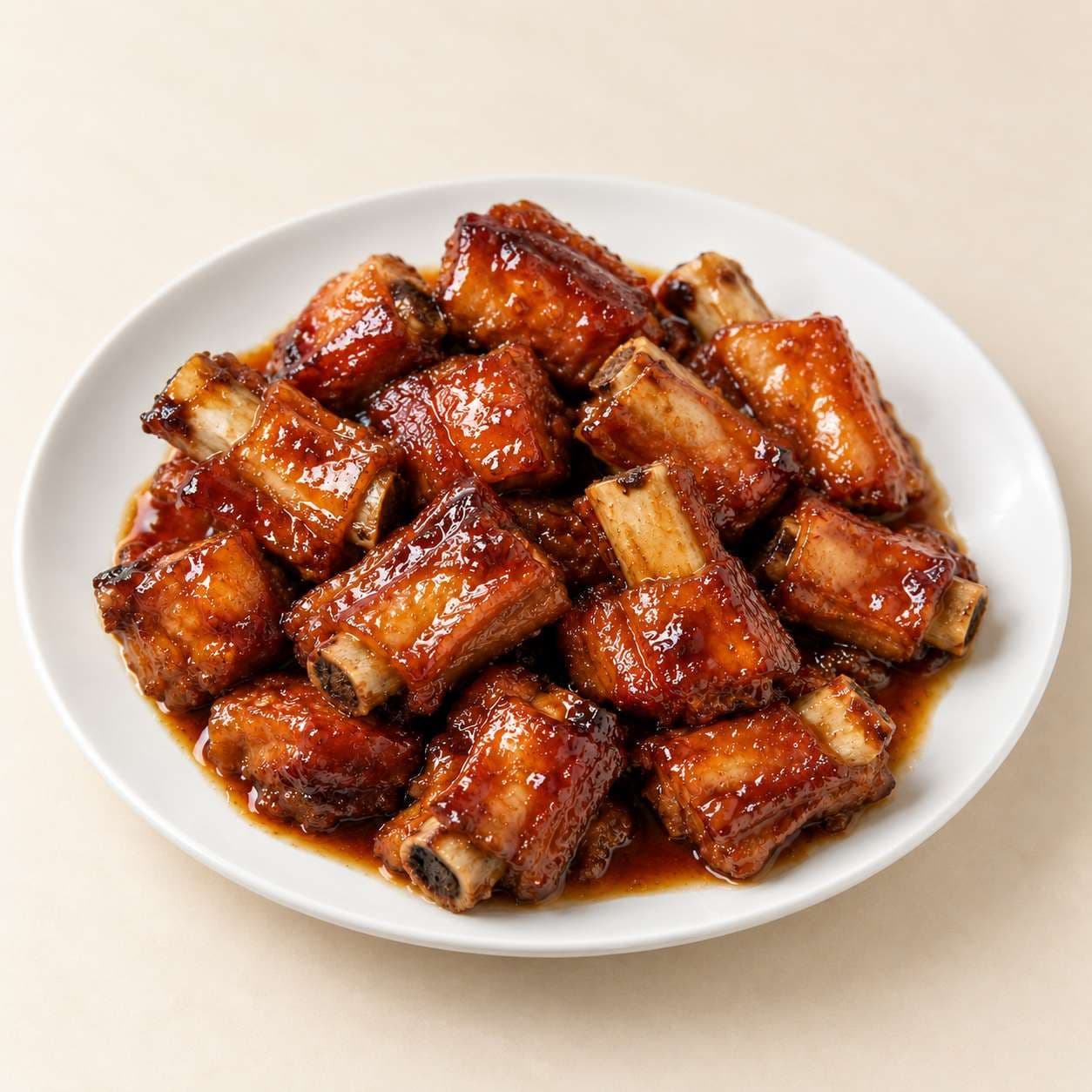
Transfer the ribs to a shallow white plate, spoon over the small amount of remaining sauce and serve warm.
Main Ingredients
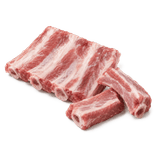
Pork Ribs
500 g
Bone-in weight; cut into 3–4 cm pieces
Seasonings
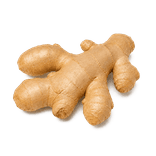
Ginger
6 slices
Divided
Optional
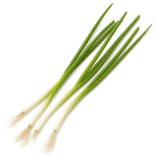
Spring Onion
2 stalks
Finely slice. Scatter over the plated ribs in Step 6; omit for the default recipe.
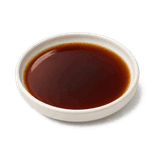
Light soy sauce
2 tbsp
Optional
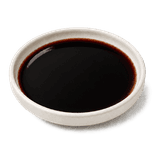
Dark soy sauce
½ tbsp
Add half a tablespoon with the light soy in Step 4 for a darker colour. Do not reduce the sauce dry, which concentrates saltiness.
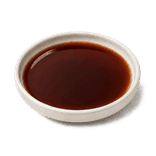
Chinese black vinegar
3 tbsp
Divided
Chinese Cooking Wine
2 tbsp
Divided
Rock Sugar
30 g
Crushed into small pieces
Granulated sugar can replace rock sugar for caramel. The exact amount is untested for this formula; watch for light amber colour over low heat rather than matching rock-sugar timing.
Granulated sugar
Optional
White Sesame Seeds
3 g
Use toasted white sesame seeds; sprinkle over the plated ribs in Step 6. Omit without changing the sweet-sour glaze.