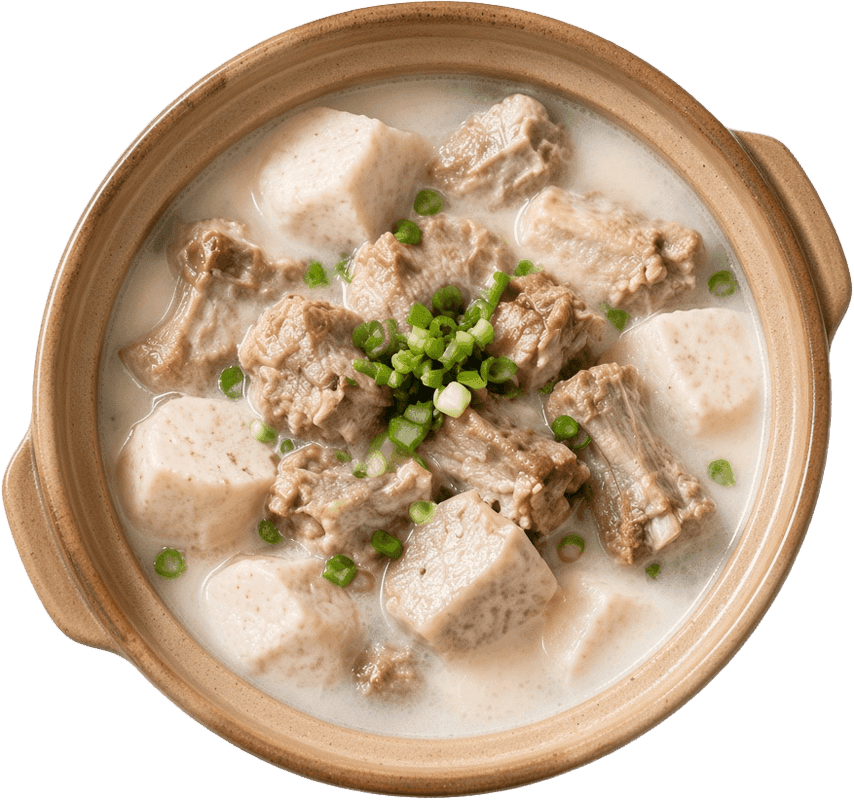
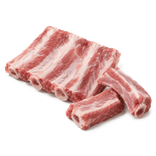
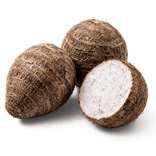
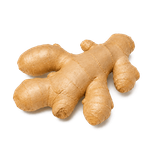
A quick visual overview of the key ingredients and cooking flow.


芋头排骨煲
A quick visual overview of the key ingredients and cooking flow.

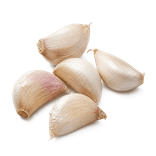
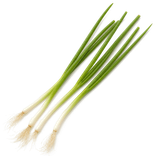
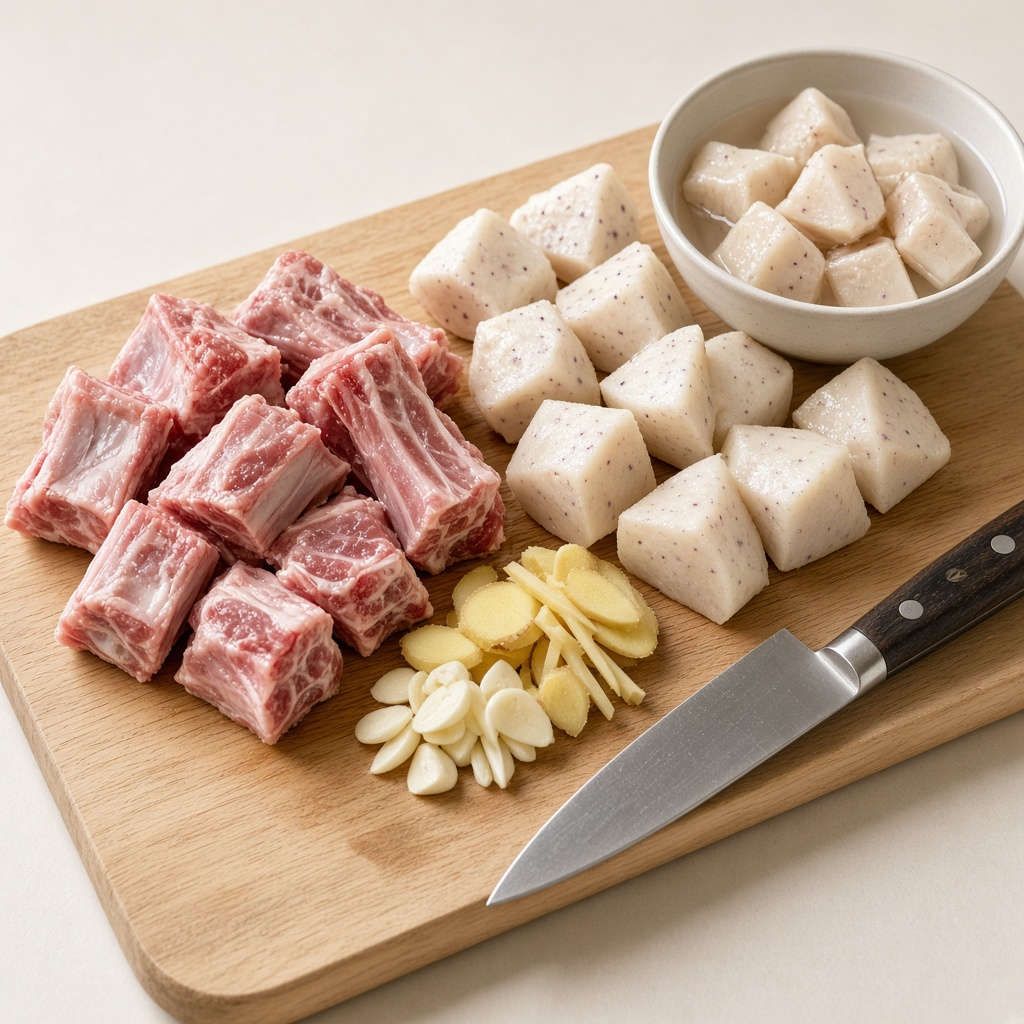
Wearing gloves, peel 300 g taro and cut it into about 3 cm chunks; keep the pieces in a bowl of water so they do not grey. Cut 500 g pork spare ribs into about 3 cm pieces. Slice 15 g ginger (about 5 slices) and 4 garlic cloves, and thinly slice 2 spring onions.

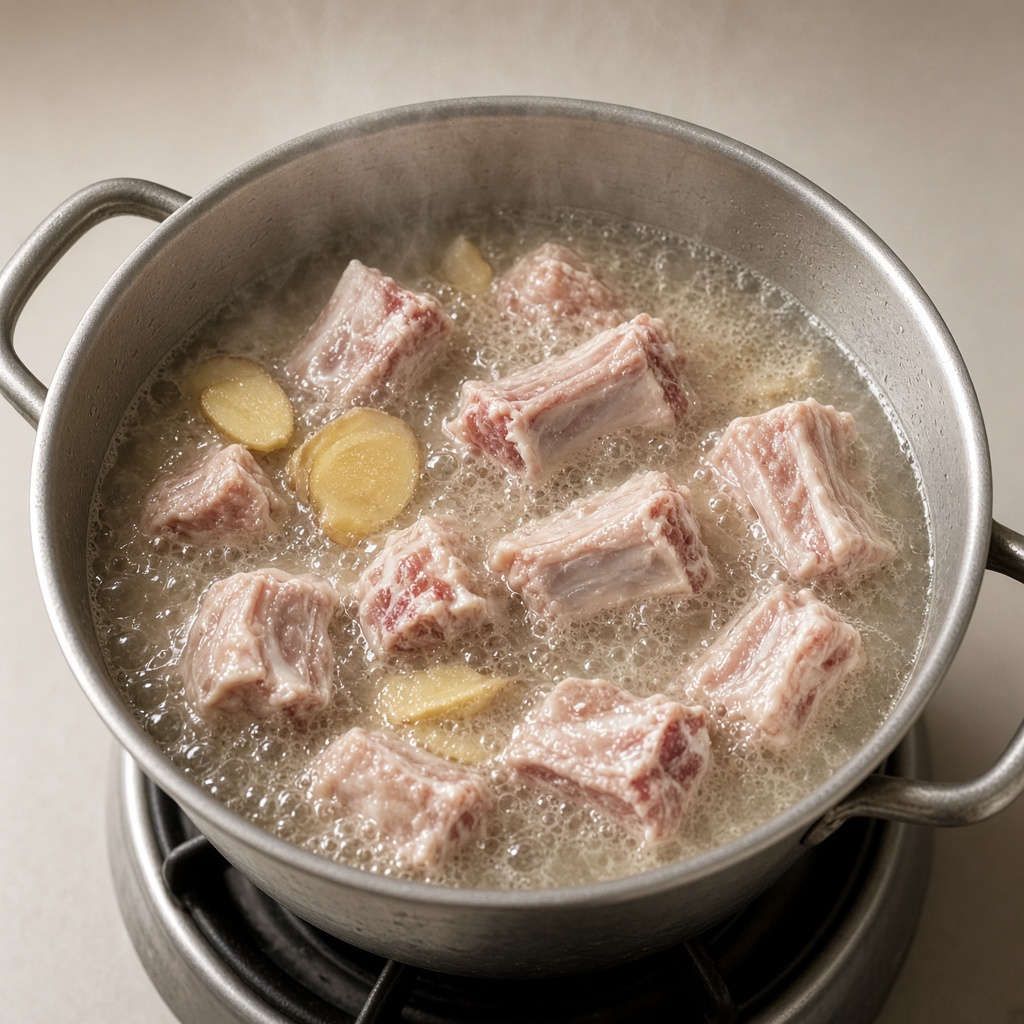
Put the ribs in a pot of cold water with about 2 slices of the ginger and 1 tbsp Chinese cooking wine. Bring to a boil over high heat, skim off the scum, and boil for about 2–3 minutes. Lift out the ribs, rinse them in warm water and drain.

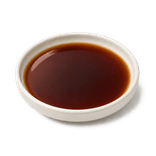
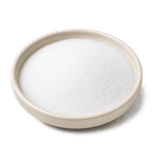
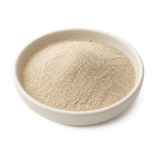
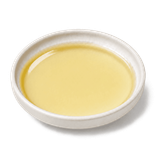
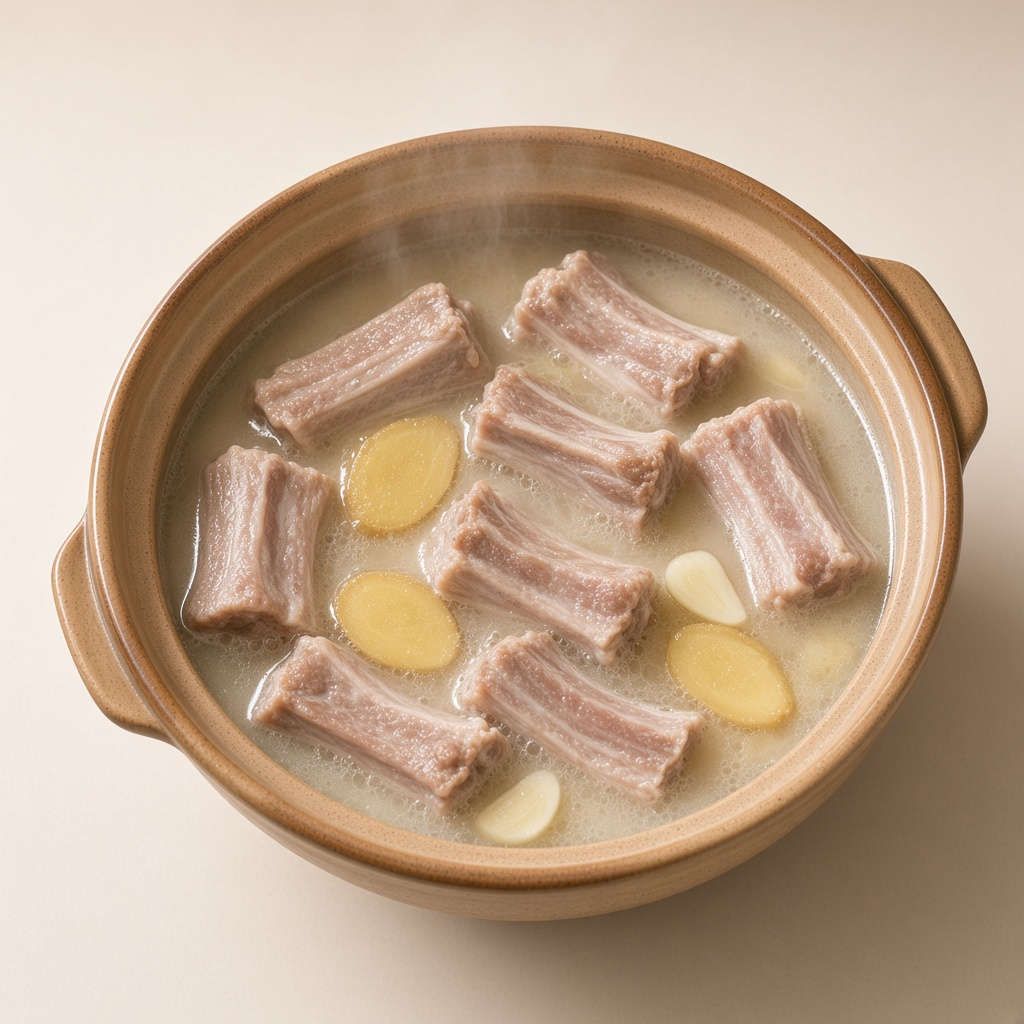
Heat 20 ml cooking oil in a wide, shallow Chinese clay pot and sauté the remaining ginger and all the garlic over medium-low heat until fragrant. Add the blanched ribs and toss briefly, then pour in about 800 ml water to just cover the ribs. Add 1 tbsp light soy sauce, 3 g salt and 1 g ground white pepper. Bring to a boil over high heat, then cover and simmer over low heat for about 35 minutes, until the broth looks milky and the ribs are starting to become tender.
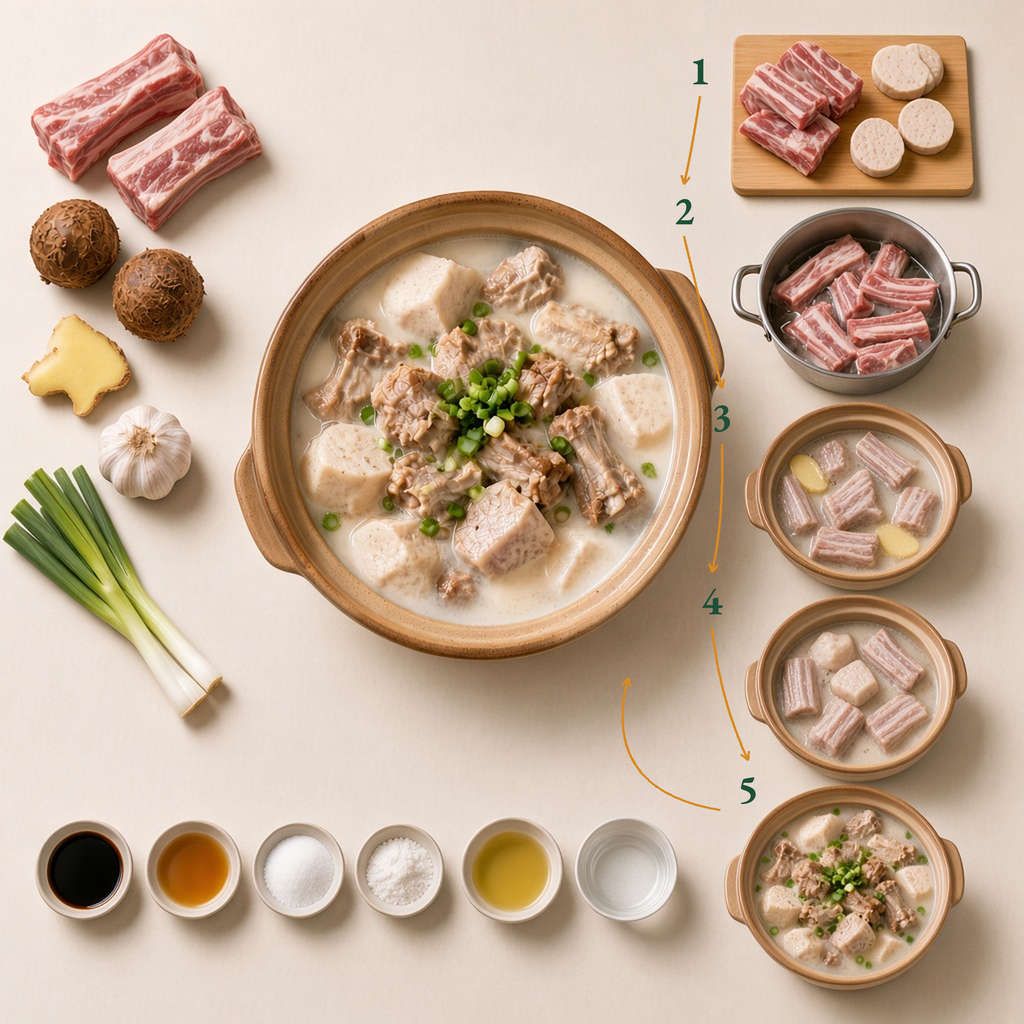
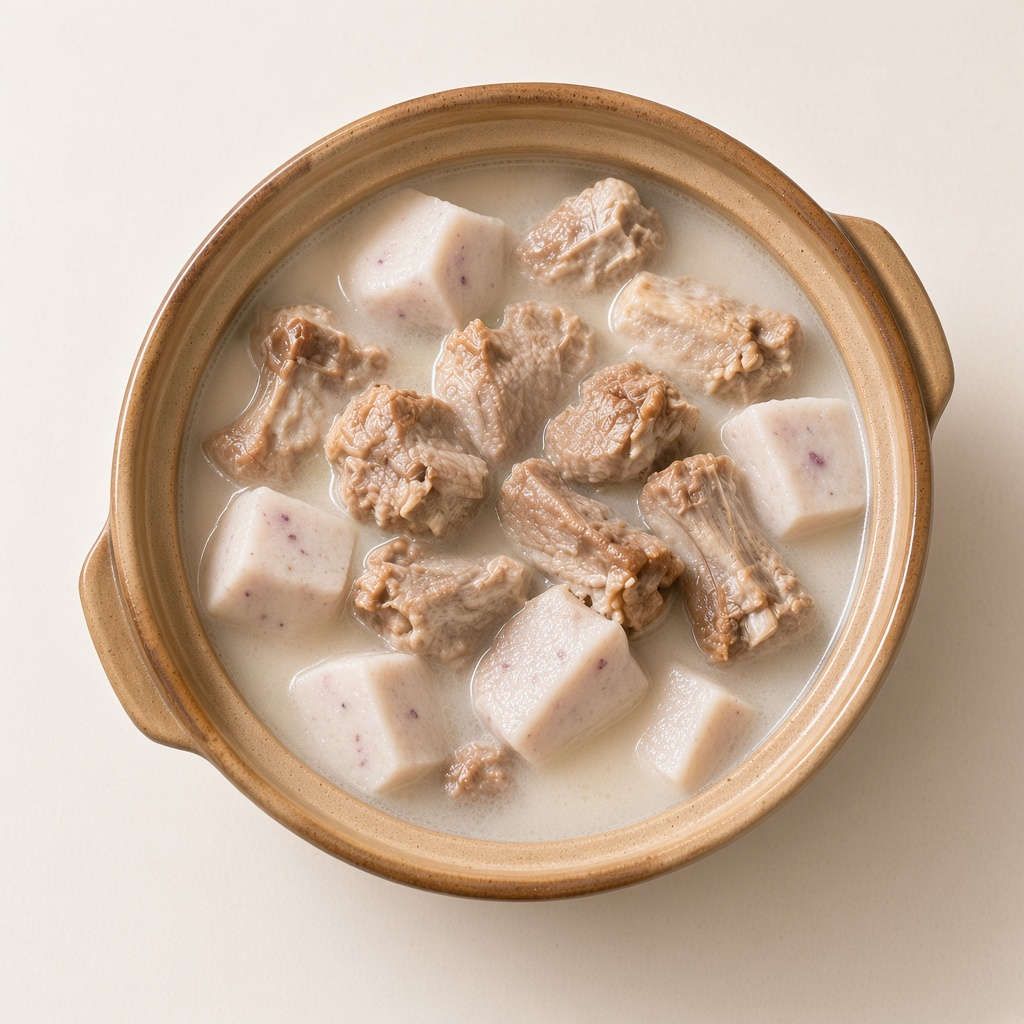
Drain the taro chunks and add them to the clay pot. If the liquid is low, add a little hot water so the ingredients are just covered. Cover and simmer over low heat for about 15 minutes, until a chopstick slides into the taro easily but the chunks still hold their shape. Do not cook the taro much longer, or it will fall apart and be hard to lift out in pieces.

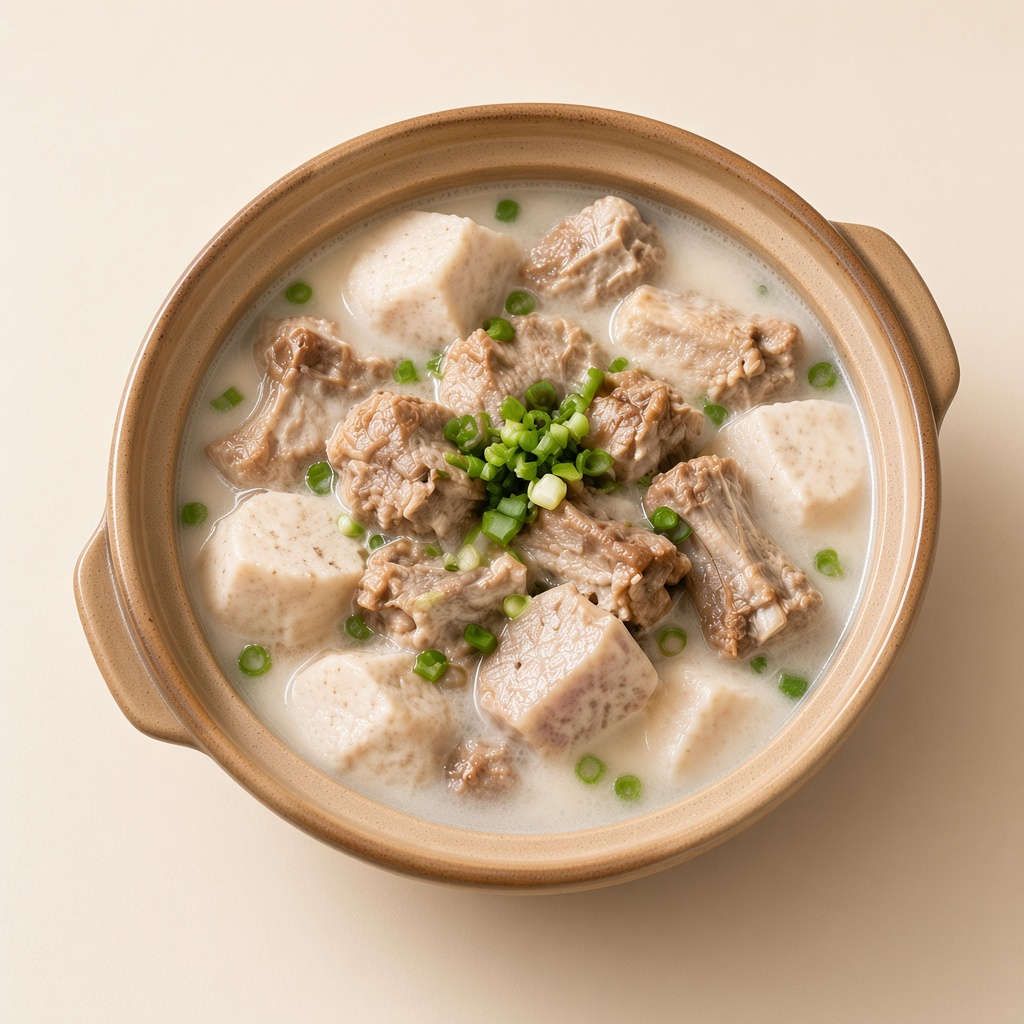
Taste and add a pinch more salt if needed. Sprinkle the sliced spring onion over the top and serve in the same clay pot.